Can You Eat Bell Pepper Seeds? Everything About Bell Pepper Seeds
Can You Eat Bell Pepper Seeds? Everything You Need to Know
You slice into a fresh bell pepper and suddenly a waterfall of seeds tumbles across the cutting board. For most home cooks, the instinct is to toss them straight into the trash. But before you do, you might find yourself wondering: can you eat bell pepper seeds?
The short answer is yes. Bell pepper seeds are safe to eat and are not toxic to humans. Whether you swallow a few by accident or decide to keep them in your dish on purpose, there is no cause for concern. They are small, edible, and mostly flavorless, though they can occasionally taste slightly bitter depending on the pepper’s ripeness.
This is one of those kitchen questions that comes up surprisingly often, especially among people who cook with bell peppers regularly. And since knowing when to harvest peppers affects the flavor, texture, and even the color of the seeds inside, understanding the full picture matters if you want to get the most from this versatile vegetable. Whether you are dealing with red pepper, yellow, orange, or green varieties, the seeds inside are largely the same, and this guide covers everything you need to know about them.
What To Do With Bell Pepper Seeds?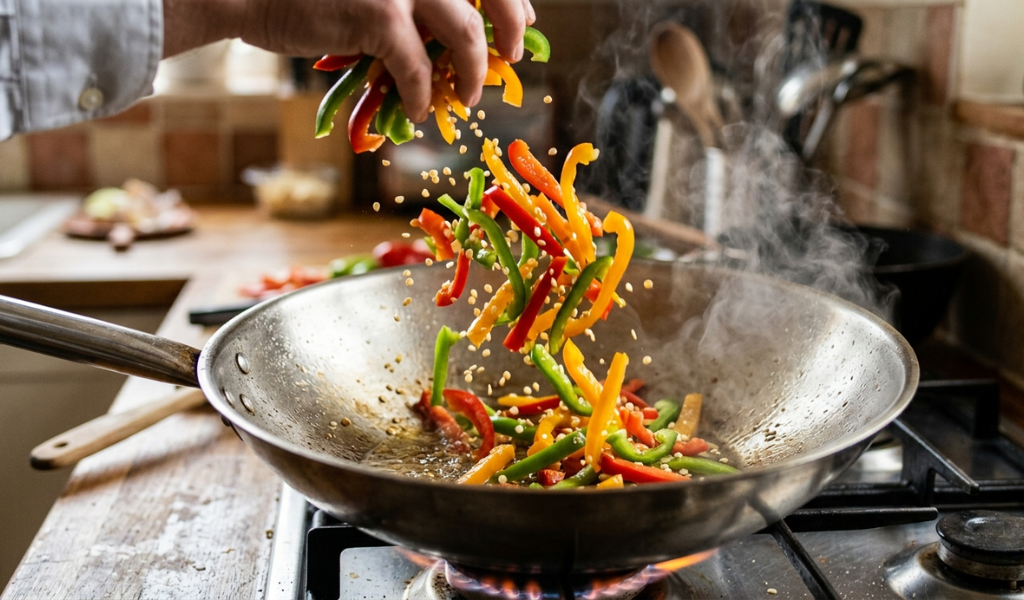
Most people remove bell pepper seeds out of habit rather than necessity. Cooking guides often say to discard the stem and seeds before using the flesh, and over time that step becomes automatic. But the truth is, keeping the seeds is a perfectly valid choice.
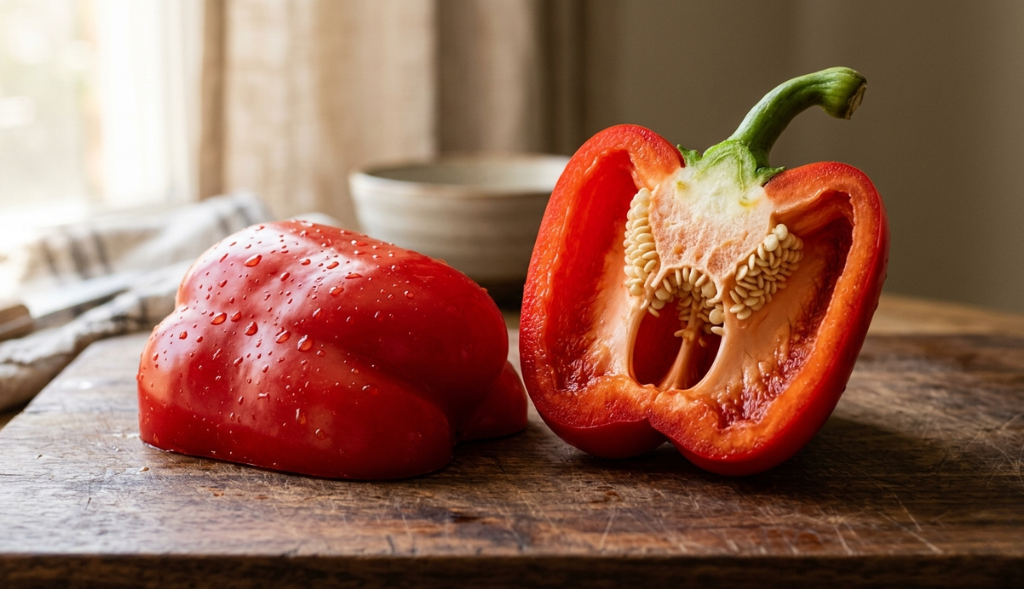
When you cut into a bell pepper, the seeds are found in the hollow cavity at the center, attached to a whitish membrane. Even the most careful cuts often mean a few seeds wind up in the pan. That is completely fine. They add little flavor to a cooked dish and tend to go unnoticed.
If you are someone who prefers a cleaner texture, removing them before eating makes sense. But if you are short on time or simply do not mind a few seeds in your stir-fry or salsa, there is no need to fuss over them.
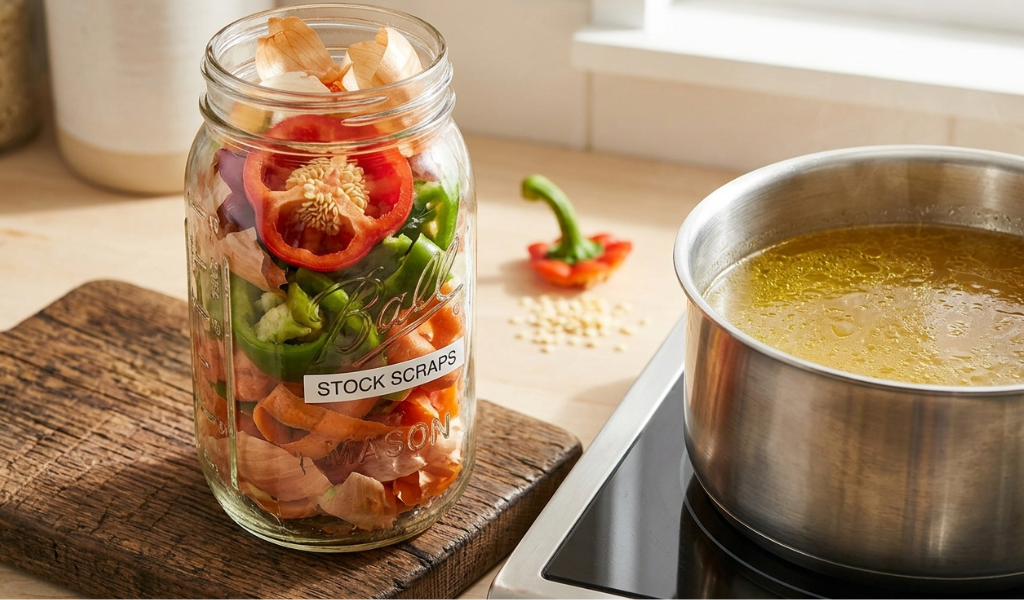
Some home cooks actually recommend saving them along with other vegetable scraps. You can store them in the freezer in a freezer-safe gallon bag and use them later for making homemade vegetable stock. Since bell pepper a fruit, its seeds can also be saved and used in creative kitchen recipes. Once the bag is full, toss the contents into a pot with water and other scraps for a simple, zero-waste broth.
Can Your Body Digest Bell Pepper Seeds?
This is a question that trips people up, mostly because of a common misconception that seeds are hard for the body to process. In general, the body can digest bell pepper seeds without any real trouble.
Bell pepper seeds are small and soft compared to, say, fruit pits or nut shells. They do not have a hard outer coating that resists digestion. Most people who have ingested bell pepper seeds, whether intentional or not, report no issues at all. The digestive system handles them the same way it handles other small plant matter.
That said, it is essential to listen to your body and note any changes. Some individuals with sensitive stomachs or certain digestive conditions might experience mild discomfort if they consume bell pepper seeds in large amounts. This is rare, but worth mentioning. If you experience any discomfort after eating them, that is a signal worth paying attention to.
For the vast majority of people, consuming bell pepper seeds alongside the rest of the pepper poses no problem whatsoever.
If you are wondering can you eat bell pepper seeds, the simple answer is yes. Learn more about bell pepper seeds, their digestibility, and what to consider before eating them as part of a healthy diet.
Are Bell Pepper Seeds Toxic to Humans?
No. Bell pepper seeds are not toxic to humans. This is one of the most common concerns people have, and it is understandable given that some seeds from other plants can be harmful. But bell peppers, scientifically known as Capsicum annuum, are a sweet pepper variety with no dangerous compounds in their seeds.
Unlike hot pepper varieties or chili pepper seeds, which can carry a significant amount of capsaicin, bell pepper seeds contain little to no capsaicin at all. Capsaicin is the compound responsible for the burning sensation associated with spicy food. Regular bell peppers are bred to have almost none of it, which is why they are sweet and mild. So there is no heat level concern with bell pepper seeds the way there might be with seeds from a jalapeño or habanero.
No health risks have been noted from eating bell pepper seeds in typical dietary amounts. They are recognized as edible and safe to consume by nutrition professionals. A registered and licensed dietitian at No Diet Dietitian, a telehealth nutrition practice, would likely confirm that bell pepper seeds are among the least concerning parts of any vegetable you might accidentally swallow.
If you have ever wondered are bell pepper seeds toxic, the simple answer is no. Bell pepper seeds are safe to eat and do not pose a toxicity concern for most people when consumed as part of a normal diet. While some people remove bell pepper seeds because they prefer the texture or want to clean the inside of the pepper before cooking, there is generally no need to remove them because of safety concerns. Whether you eat bell peppers raw, roasted, stuffed, or cooked in other dishes, accidentally eating a few bell pepper seeds is not considered dangerous.
Understanding that bell pepper seeds are not toxic to humans can help clear up a common gardening and food-safety misconception. Learn more about bell pepper seeds, their safety, and what you should know before eating them.
What Can You Make With the Seeds?
Rather than discarding seeds every time you cook, there are a few practical ways to put them to use.
 Vegetable Stock
As mentioned earlier, suggest saving them along with carrot peels, onion skins, celery tops, and other vegetable scraps. Store them in the freezer until you have enough to make a batch of stock. Bell pepper scraps add a mild, slightly sweet note to homemade broths.
Pepper Seed Oil
Pepper seed oil is a lesser-known but genuinely interesting use for seeds you would otherwise throw away. It can be made by pressing or infusing the seeds in a neutral oil. Varieties of pepper seeds, including those from bell peppers, have been studied for their oil content. The oil is rich in linoleic acid, which is an essential fatty acid. While pressing your own oil at home requires equipment most kitchens do not have, it is worth knowing that pepper seed oil exists as a product and that the seeds themselves have a meaningful fat profile.
Pepper Seed Meal
After oil extraction, the remaining dry material is sometimes processed into pepper seed meal. This is more of an industrial use than a home kitchen application, but it speaks to the fact that bell pepper seeds contain nutritional value worth extracting. The meal can be used as a source of protein and dietary fiber in certain food manufacturing contexts.
Planting
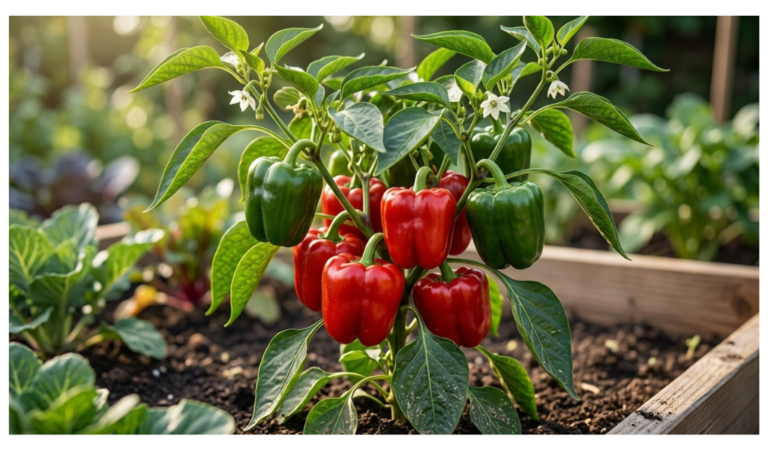
If you are a gardener, saving seeds from a ripe bell pepper and planting them is a rewarding option. Seeds vary in color depending on ripeness, with fully ripe peppers typically containing more mature, cream-colored seeds that are more likely to germinate successfully.
What Happens to Your Body When You Eat Bell Peppers Regularly?
Bell peppers as a whole, seeds included, are genuinely good for you. Here is what the research and nutrition science tell us about eating them on a regular basis. Discover can you eat bell pepper seeds, along with the potential benefits of bell peppers for digestion, immunity, heart health, and overall wellness.
Why We Love Bell Peppers
Bell peppers are one of the most popular vegetables in the world, and for good reason. They are crunchy, colorful, and incredibly versatile. You can eat them raw, roasted, stuffed, grilled, or tossed into almost any dish. They are also one of the most nutrient-dense vegetables available at any grocery store, offering a solid dose of vitamins and antioxidants in every serving.
They May Reduce Inflammation
Bell peppers are a rich source of carotenoids, the plant pigments responsible for their red, orange, and yellow colors. Carotenoids like beta-carotene and lutein have anti-inflammatory properties, and regular consumption of foods high in these compounds is associated with lower markers of inflammation in the body.
They May Support Eye Health
The lutein and zeaxanthin found in bell peppers are particularly concentrated in the eye’s retina. Diets high in these carotenoids are linked to a reduced risk of age-related macular degeneration and cataracts. Red pepper tends to have the highest concentration of these compounds compared to other colors.
They Might Bolster the Immune System
Bell peppers are an excellent source of vitamin C. In fact, a single red bell pepper contains more vitamin C than an orange. Vitamin C plays a central role in immune function, helping the body produce white blood cells and maintain the integrity of skin and mucosal barriers. Bell pepper seeds contain some vitamin C as well, so keeping them in your dish rather than removing them before eating means you lose slightly less of that nutritional benefit.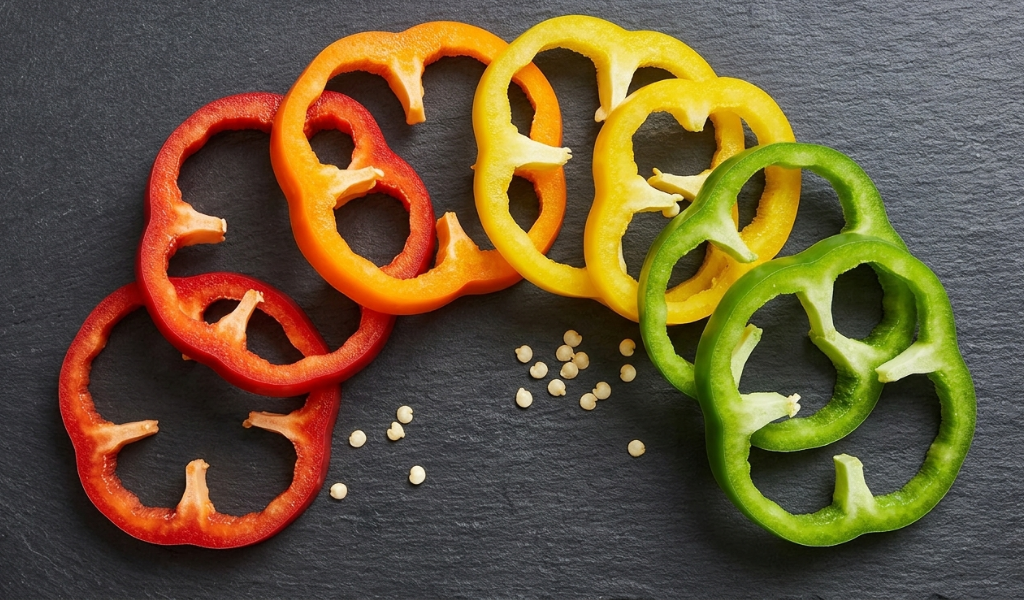
They May Promote Brain Health
Bell peppers contain B vitamins, including B6, which is essential for neurotransmitter production. Foods high in B6 support healthy brain function and may help regulate mood. The antioxidants in bell peppers also protect brain cells from oxidative stress over time.
They Might Help with Digestion
Bell peppers are a good source of dietary fiber, and pepper seeds provide an additional small contribution to that fiber content. Fiber supports healthy digestion by feeding beneficial gut bacteria and helping to regulate bowel movements. Bell pepper seeds contain a modest amount of fiber, so eating them rather than discarding them does not hurt in this regard. If you are learning how to use Pepper Seeds to Germinate, understanding their nutritional value can also help you make the most of every part of the pepper.
Are Bell Peppers Safe for Everyone?
For most people, bell peppers are perfectly safe to eat in any amount. However, there are a few exceptions worth noting.
People with nightshade sensitivities may react to bell peppers, since Capsicum annuum belongs to the nightshade family. Symptoms can include digestive discomfort, joint pain, or skin reactions in those who are sensitive. This is not an allergy in the traditional sense but rather a sensitivity that some individuals, particularly those with autoimmune conditions, may experience.
People with irritable bowel syndrome (IBS) sometimes find that raw bell peppers trigger symptoms, as the fiber and skin can be difficult to break down. Cooking bell peppers typically makes them easier to digest for this group.
Aside from these specific situations, bell peppers, including their seeds, are suitable for children, pregnant individuals, and older adults alike. If you are wondering, can you eat bell pepper seeds, the answer is generally yes, as the seeds are not considered toxic and can be eaten safely by most people. They may have a slightly bitter or earthy taste, so many people simply remove them for better texture and flavor.
Overall, bell peppers are a nutritious addition to most diets and provide vitamins, antioxidants, and other beneficial nutrients. However, anyone with a known food sensitivity or digestive condition should pay attention to how their body responds and consult a healthcare professional if symptoms persist
Final Thoughts
So, can you eat bell pepper seeds? Absolutely. They are edible, safe to consume, and present no health risks for the vast majority of people. Whether a few seeds wind up in your meal by accident or you make a conscious choice to keep them in, there is nothing to worry about. They may occasionally taste slightly bitter, and some people prefer to remove them before eating for texture reasons, but that is entirely a matter of personal preference.
Beyond just being harmless, bell peppers as a whole deserve a permanent spot in your regular diet. They are packed with vitamin C, carotenoids, fiber, and antioxidants that support everything from your immune system to your eye health. And those small seeds you have been throwing away? You now have a handful of practical ways to use them.
Next time you cut into a bell pepper, think twice before tossing those seeds. Save them for stock, do a little research on pepper seed oil, or simply let a few end up in your dish. Your body will handle them just fine.
Frequently Asked Questions
Should you eat the seeds of a bell pepper?
You do not have to, but you can. Bell pepper seeds are perfectly safe to eat and harmless for most people. They add little to no flavor in most dishes, and whether to include them or remove them before eating comes down to personal preference.
Can humans digest bell pepper seeds?
Yes. In general, the body can digest bell pepper seeds without causing problems. They are small and soft, and the digestive system breaks them down without difficulty. People who have accidentally ingested bell pepper seeds in large quantities typically report no side effects at all.
Why do you have to remove seeds from bell peppers?
You do not have to. Removing them is a common cooking step passed down by habit, not necessity. Some recipes call for removing the stem and seeds for cleaner texture or presentation, but keeping them in does not affect safety or taste in any significant way.
Is it okay to eat a whole bell pepper?
Yes, it is perfectly fine to eat a whole bell pepper, seeds and all. Every part of the pepper, including the flesh, seeds, and skin, is edible. Just remove the stem, as that part is fibrous and not pleasant to eat.
Are bell pepper seeds toxic to humans?
No. Bell pepper seeds are not toxic. Capsicum annuum, the species that includes sweet pepper varieties like bell peppers, does not produce dangerous compounds in its seeds. There are no health risks noted from consuming them in normal dietary amounts.
Is it safe to eat bell peppers with shriveled or dark seeds?
If the pepper itself looks and smells fresh, a few darker seeds are generally fine. Seeds vary in color depending on ripeness. However, if the bell pepper itself appears spoiled, slimy, or smells off, discard it entirely rather than trying to salvage parts of it.
What can you do with bell pepper seeds?
Quite a few things. You can save them along with other vegetable scraps for homemade stock, explore pepper seed oil uses, save them for planting if you want to grow your own peppers, or simply leave them in your dish while cooking. They are a good source of dietary fiber and contain nutrients worth keeping rather than tossing.