Black Pepper Plant Care: A Complete Growing Guide to Healthy Peppercorn Plant and Piper Nigrum
Black Pepper Plant Care Guide: Tips for Growing Healthy Piper nigrum at Home
Black pepper plant care is more straightforward than most people expect—yet the rewards are extraordinary. Growing your own peppercorn plant means having a fresh supply of one of the most widely used seasonings on the planet, right from your backyard or living room. Whether you’re nurturing a climbing vine outdoors in a tropical climate or experimenting with growing it indoors as a houseplant, this guide covers everything you need to know.
From understanding the growth habits of Piper nigrum to harvesting your first batch of peppercorns, you’ll find practical, experience-backed advice in every section. Let’s dig in.
Understanding the Black Pepper Plant
What Is a Black Pepper Plant?
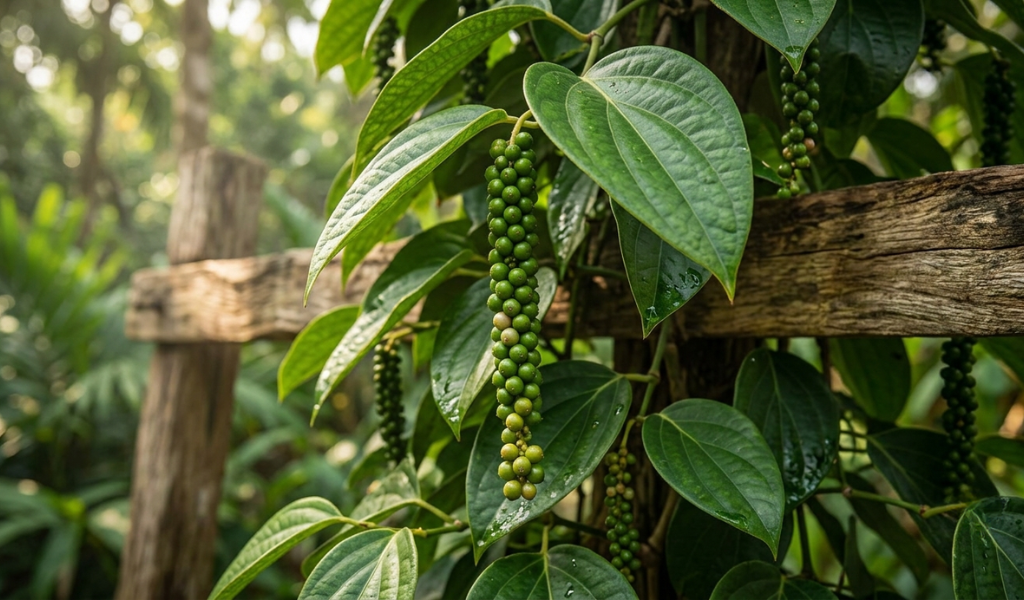
Black pepper (Piper nigrum) is a flowering vine native to southeast Asia, particularly the Western Ghats of India. It belongs to the Piperaceae family and is the vine that produces the small, round drupes we know as peppercorns. Depending on when they’re harvested and how they’re dried and processed, those same berries become green peppercorns, red peppercorns, or the familiar ground black pepper we reach for every day at the dinner table.
It’s also worth knowing that white pepper comes from fully ripened berries with the outer skin removed—so black, white, and green pepper all come from one plant. Long pepper is a separate species entirely.
Ideal Climate for Growing Black Pepper
Piper nigrum thrives in warm, humid tropical conditions. It grows best in USDA hardiness zone 12 and above, where temperatures consistently stay between 60–95 degrees Fahrenheit. The plant does not tolerate frost and struggles in dry or cool and wet extremes. High humidity, consistent rainfall, and warm nights are its preferred growing conditions.
If you live outside a tropical zone, don’t be discouraged. Many gardeners successfully grow a black pepper plant in containers that can be moved indoors during cooler months.
Growth Stages of a Black Pepper Vine
A black pepper vine starts as a small cutting or seedling and climbs steadily over several years. In its first year, the plant establishes roots and begins producing lateral branches. By years two and three, vines grow more vigorously and may begin developing flowers and fruit. Full peppercorn production typically begins around years three to five, depending on care and climate.
Choosing the Best Location and Soil
Light Requirements for Healthy Growth
Black pepper plants prefer partial shade or bright, filtered light. In their natural habitat, pepper vines grow beneath forest canopies, which means they receive indirect sunlight rather than harsh, direct afternoon rays. Aim for four to six hours of direct morning light with shade in the afternoon.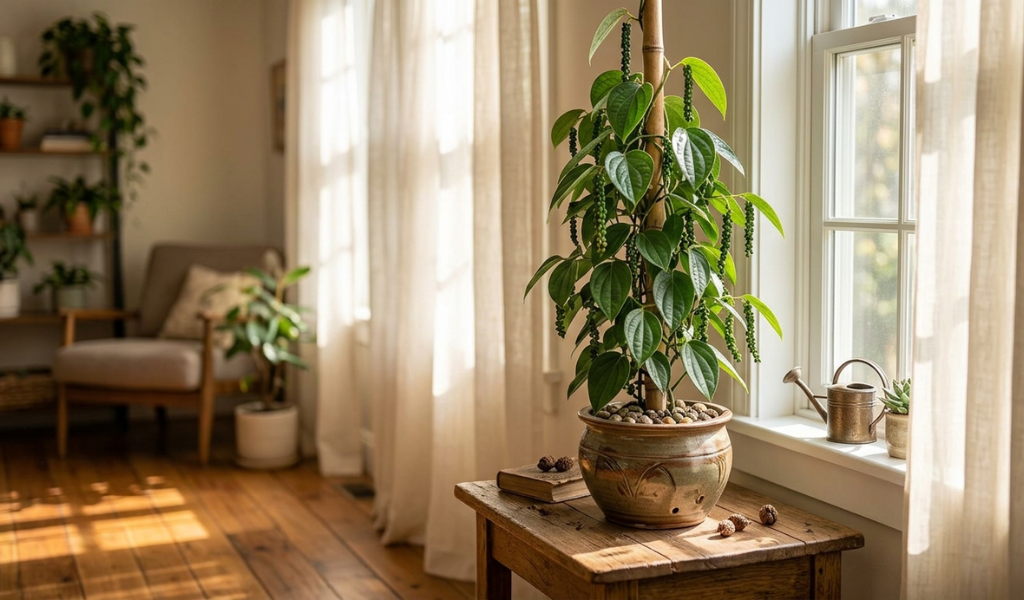
When growing indoors, place the plant near a bright window—east or west-facing works well. Too much intense sun can scorch the leaves, while too little will slow growth and reduce fruit production.
Best Soil Type and pH for Black Pepper Plants
Piper nigrum needs rich, well-draining soil that holds moisture without becoming waterlogged. A loamy mix with plenty of organic matter, like compost, works well. The ideal soil pH sits between 5.5 and 7.0.
Good drainage is non-negotiable. Soil that retains too much water invites root rot, one of the most common threats to pepper plants. Adding perlite or coarse sand to your potting mix helps maintain the right balance of moisture and aeration.
Growing Black Pepper in Pots vs. the Ground
In tropical regions, growing pepper vines directly in the ground gives them the most room to spread and the best access to nutrients. For everyone else, containers are a perfectly viable option. Choose a pot at least 12–14 inches deep with drainage holes at the bottom. A good-quality potting mix, combined with regular fertilizing, will support healthy growth for years.
How to Grow a Black Pepper Plant
Starting from black pepper seeds is possible but slow. Seeds must be fresh—dried or processed seeds from the spice rack won’t germinate. Most growers find it easier and faster to start from cuttings, which root readily in moist soil or water.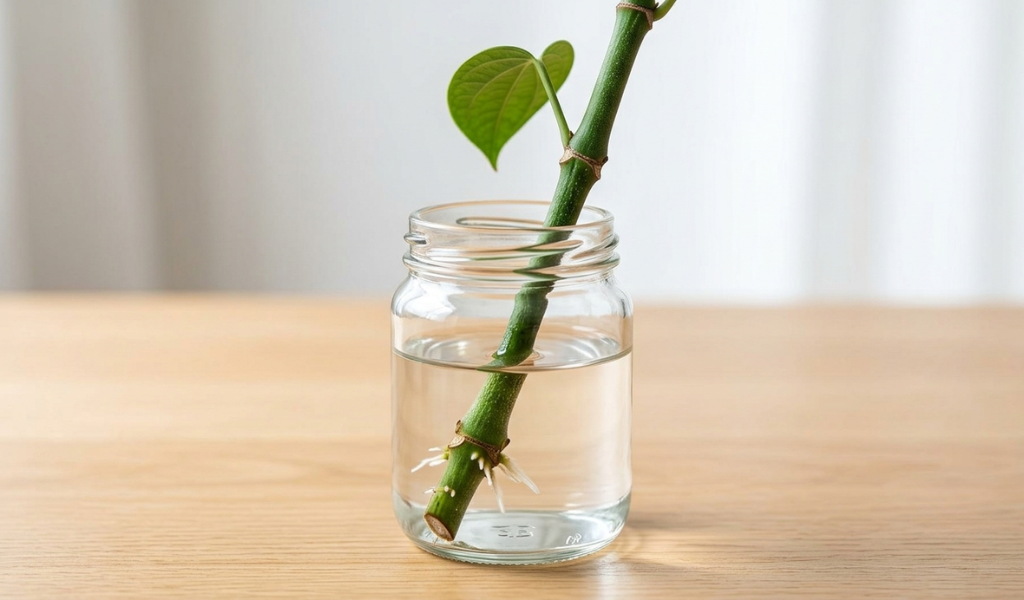
Take a cutting with at least two or three nodes, remove the lower leaves, and plant it in a warm, humid spot. Keep the soil moist and place the cutting in bright, indirect light. Roots typically develop within three to four weeks. Young plants should be kept warm and sheltered from wind while they establish.
Watering and Feeding Your Black Pepper Plant
How Often to Water Black Pepper
Consistency matters more than volume. Black pepper plants prefer evenly moist soil, but you should allow the top inch of soil to dry out between waterings. During the growing season, this may mean watering every two to three days. In fall and winter, reduce frequency significantly to avoid oversaturation.
Use room-temperature water and water deeply, allowing excess to drain through the pot’s base. Avoid letting the plant sit in standing water.
Best Fertilizers for Strong Vine Growth
To support healthy vine development and fruit production, fertilize with a balanced fertilizer—10-10-10 or 12-12-17 blends work well during active growth periods. Organic options like compost, well-rotted manure, or worm castings are excellent alternatives that also improve soil structure over time.
Fertilize every four to six weeks during spring and summer. Scale back in fall and winter when pepper plants thrive on rest rather than feeding.
Signs of Overwatering and Underwatering
Overwatered black pepper plants typically develop yellowing leaves, soft stems, and a musty smell around the base. Root rot may be present if the soil stays soggy for extended periods. Underwatered plants, by contrast, show wilting, dry and curling leaf edges, and slowed growth.
Check soil moisture before every watering. It’s a simple habit that prevents most water-related issues.
Supporting and Pruning Black Pepper Vines
Why Black Pepper Needs a Support Structure
As a climbing vine, Piper nigrum uses aerial rootlets to attach itself to nearby surfaces. Without a support structure, it sprawls along the ground, which increases disease risk and reduces fruit yield. A sturdy trellis, wooden post, or bamboo stake works well for most home gardens.
Outdoors, pepper vines can climb to 30 feet or more when supported by trees. Indoors, a smaller trellis keeps growth manageable while still encouraging vertical growth.
How to Prune for Better Growth
Regular pruning keeps the plant tidy and directs energy toward fruit production rather than excess foliage. Prune lateral shoots that appear too low on the vine, and remove any dead or damaged stems as soon as you spot them.
The best time to prune is during or just after the growing season. Avoid heavy pruning during flowering, as this can disrupt peppercorn development.
Training Vines for Maximum Yield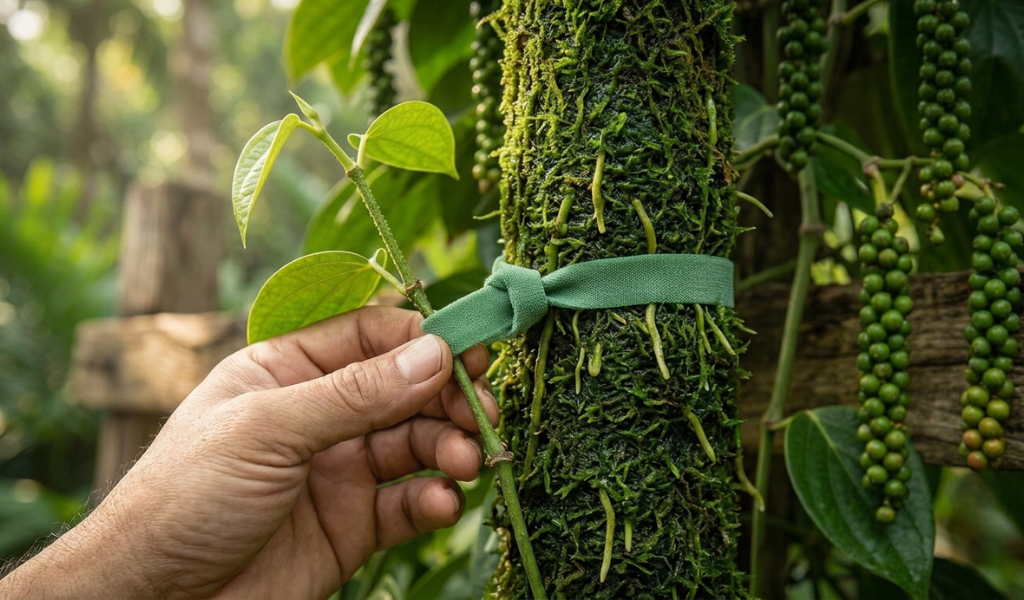
Training pepper vines vertically encourages more flowering nodes to develop along the stem. As the vine grows, gently secure new growth to the support structure using soft ties. The more organized and upright the vine, the better the light distribution and air circulation—both of which improve overall yield.
Preventing Common Pests and Diseases
Common Insects That Attack Black Pepper Plants
The most frequent pest visitors include aphids, mites, and scale insects. Aphids cluster along new growth and pepper leaves, sucking sap and causing distorted foliage. Spider mites thrive in dry conditions and create fine webbing on the undersides of leaves. Scale insects appear as small, waxy bumps on stems.
Identifying and Treating Fungal Diseases
Fungal issues often appear as black spots on leaves or a powdery coating on stems. These are typically caused by poor air circulation or overwatering. Phytophthora rot, a serious fungal disease, can devastate a plant quickly when soil stays too wet for too long.
Remove affected foliage immediately and improve drainage. Neem oil and copper-based fungicides can help manage mild infections.
Natural and Organic Pest Control Methods
For a low-impact approach, insecticidal soap spray handles most soft-bodied insects effectively. Neem oil works as both a pest deterrent and a mild fungicide. Introducing beneficial insects like ladybugs into your garden helps keep aphid populations in check without any chemicals at all.
Harvesting and Maintaining Black Pepper Plants
When Black Pepper Is Ready to Harvest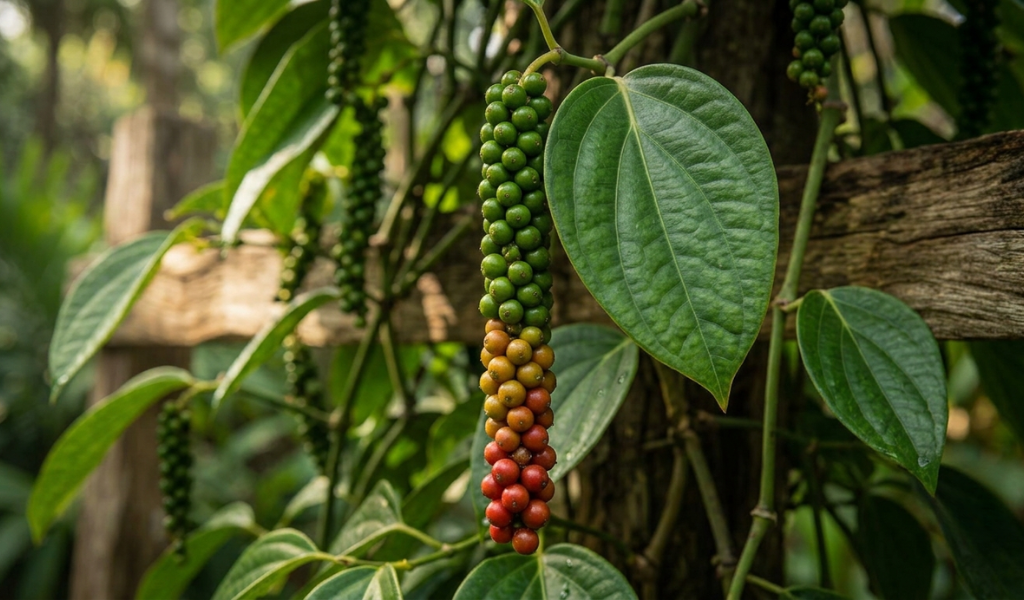
Peppercorns are ready to harvest when the berries at the base of the spike begin to turn red or yellow. At this stage, most of the other berries on the spike are still green, which is exactly what you want for black peppercorns. Waiting too long causes over-ripening and reduces quality.
How to Harvest Pepper Spikes Correctly
Harvest the entire spike by cutting it cleanly at the base. Handle the spikes gently to avoid damaging the berries. Once harvested, spread them out to dry in the sun for seven to ten days. As they dry, the berries will shrivel and turn black—at that point, they’re ready to grind using a mortar and pestle or pepper mill.
Post-Harvest Care for Continued Production
After harvesting, trim back the spent spikes and apply a round of balanced fertilizer to encourage the plant to push new growth. Keep up with watering and monitor closely for any signs of stress or pest activity. With proper post-harvest care, a healthy peppercorn plant will continue producing for many years.
Expert Tips for Successful Black Pepper Plant Care
Seasonal Care Tips
During the warmer growing season, focus on consistent watering, feeding, and supporting new vine growth. As temperatures drop in fall and winter, reduce watering and hold off on fertilizing. If you grow it indoors, maintain humidity by misting leaves or using a pebble tray filled with water beneath the pot.
Common Growing Mistakes to Avoid
The most common mistakes growers make include:
- Overwatering: The leading cause of root rot and plant loss. Always check the soil before watering.
- Poor drainage: Even with correct watering habits, compacted or dense soil will hold too much moisture.
- Too much direct sun: Especially in hot climates, afternoon sun can burn leaves and stress the vine.
- Skipping support: A vine without a trellis will spread along the ground and produce significantly less fruit.
- Using old seeds: Black pepper seeds lose viability quickly. Always source fresh seeds or start from cuttings.
Frequently Asked Questions
How often should I water a black pepper plant?
Black pepper plants prefer consistently moist soil but do not tolerate waterlogged conditions. Water when the top inch of soil feels slightly dry, increasing frequency during hot weather and reducing it during cooler months.
Can black pepper plants grow indoors?
Yes, black pepper plants can grow indoors if they receive bright, indirect sunlight, warm temperatures (65–85°F or 18–29°C), high humidity, and a sturdy support for climbing.
How long does it take for a black pepper plant to produce peppercorns?
A black pepper plant typically begins producing peppercorns three to five years after planting, depending on growing conditions, climate, and care.
What is the best fertilizer for black pepper plants?
A balanced fertilizer, such as a 10-10-10 or 12-12-17 blend, works well during the growing season. Organic options like compost, well-rotted manure, and worm castings also help promote healthy vines and strong fruit production.
Why are the leaves on my black pepper plant turning yellow?
Yellow leaves can result from overwatering, poor drainage, nutrient deficiencies, insufficient sunlight, or pest infestations. Check soil moisture first, then improve drainage and fertilize as needed.
Does a black pepper plant need full sun or shade?
Black pepper plants grow best in partial shade or bright, filtered sunlight. As a vine that produces best under forest canopy conditions, it prefers indirect light rather than intense afternoon sun.
How do I harvest black pepper from my plant?
Harvest pepper spikes when the berries begin turning from green to yellow or red. Dry the harvested berries in the sun until they shrivel and turn black to produce traditional black peppercorns ready for grinding.