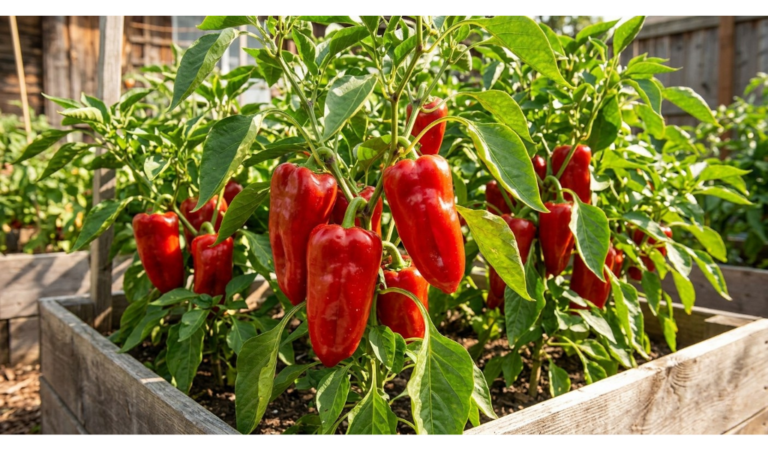
Growing Peppers Indoors: A Complete Guide for Every Season
Growing Pepper Plants Indoors: Expert Tips for Every Season
Fresh peppers are one of those things you never quite appreciate until you’ve grown your own. The crunch, the heat, the color it’s a different experience entirely. And the good news? You don’t need a garden to make it happen. Growing peppers indoors is more achievable than most people think, and once you get the hang of it, there’s no going back to store-bought.
This complete guide walks you through everything from choosing the right pepper varieties to harvesting your first crop. Whether you’re tight on space, dealing with a short outdoor growing season, or simply want fresh peppers year-round, indoor growing delivers. Read on for the tips and tricks that actually make a difference.
Why Grow Peppers Indoors?
Peppers are naturally perennial plants, meaning they can live for years under the right conditions. Outdoors, most gardeners treat them as annuals because frost kills them off each season. Indoors, that limitation disappears entirely.
Growing peppers inside gives you control over temperature, light, and humidity three things that dramatically affect how well pepper plants grow. You’re not at the mercy of the weather. You set the conditions, and your plants respond accordingly.
For anyone living in a colder climate, this is especially valuable. Outdoor growing seasons for peppers can be frustratingly short. Indoors, you can start seeds earlier, extend production longer, and grow varieties that would never survive outside your region.
Benefits of Indoor Pepper Gardening
There are real, practical reasons people are bringing their pepper plants indoors:
- Year-round harvests — especially in winter when outdoor gardens are dormant.
- No pests from the soil — indoor growing dramatically reduces exposure to common garden pests.
- Complete climate control — peppers prefer warmth, and indoors you can maintain that consistently.
- Grow in any space — a sunny windowsill, a spare room, or a dedicated grow tent all work.
- Longer plant lifespan — mature pepper plants brought indoors can continue producing fruit for multiple seasons.
What You Need Before You Start
Before you plant a single seed, it’s worth getting your setup right. Indoor peppers need a few key things to thrive.
Choosing Containers and Pots
Always use containers with drainage holes. Peppers hate sitting in soggy soil, and without proper drainage, root rot becomes a real problem. For most pepper varieties, a pot that’s at least 12 inches deep works well. Larger peppers like bell peppers benefit from a bigger container, ideally 5 gallons or more.
Start seeds in smaller containers and transplant up as the seedling grows. This prevents overwatering, which is one of the most common mistakes new growers make.
Selecting the Right Potting Mix
Never use garden soil indoors. It compacts too easily and doesn’t drain well. A quality potting mix designed for containers is what you want. Look for one that’s light and airy, with good drainage built in. Some growers mix in perlite for extra airflow around the roots this works especially well for indoor pepper plants.
Soil temperature also matters for germination. Pepper seeds germinate best when the soil sits between 80–90°F. A seedling heat mat placed under your containers makes a noticeable difference.
Essential Grow Lights
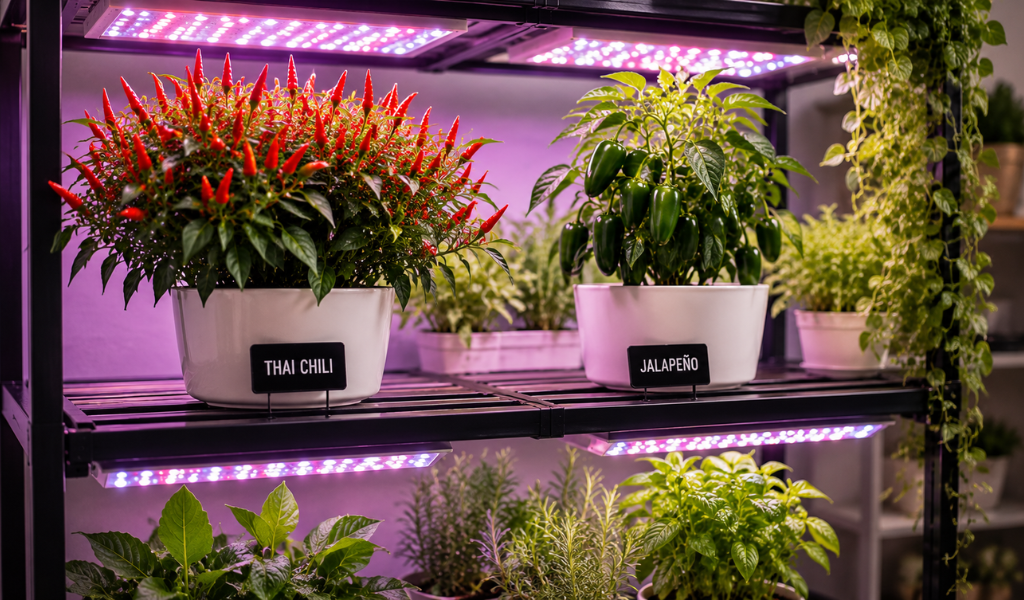
Sunlight through a window can work, but it’s rarely enough on its own especially during shorter winter days. A good grow light changes everything. LED grow lights are the most efficient option; they use less electricity than older HID lights and produce less heat, which prevents leaf burn.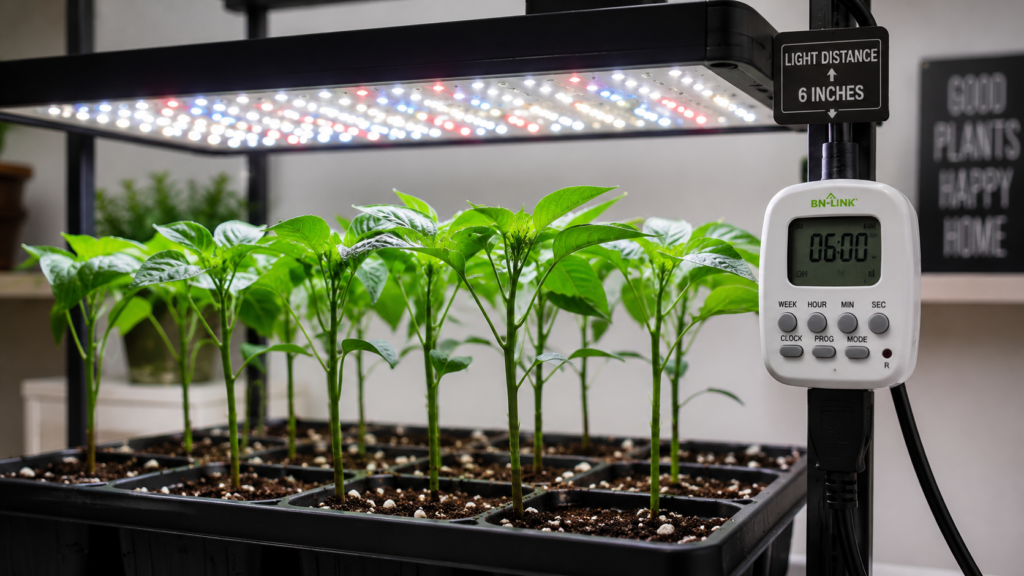
Position your LED grow lights about 6 inches above the plants when seedlings are young, then raise them to around 12–18 inches above the plants as they mature. Most indoor pepper plants need 14–16 hours of light per day to produce fruit reliably.
How to Grow Peppers Indoors Step by Step
Pick the Right Indoor Garden Systems
Your setup depends on your space and budget. A basic windowsill with supplemental LED lights is a fine starting point. For more serious growing, a grow tent gives you better light reflection and humidity control. Dedicated indoor grow shelves with built-in LED grow lights are another popular option they keep things tidy and efficient.
Choose the Right Pepper Varieties
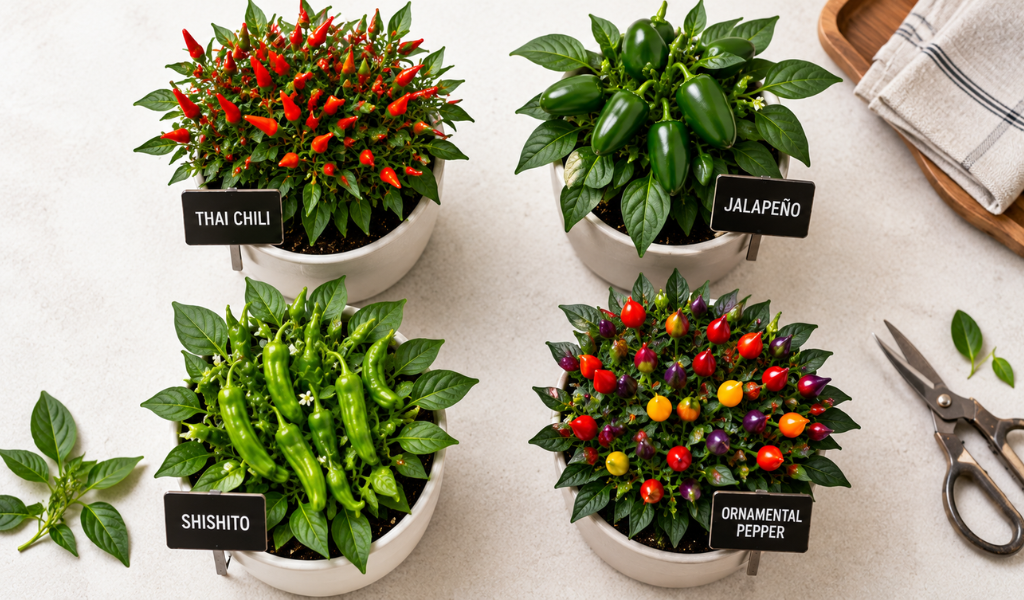
Not all pepper varieties perform equally well indoors. Compact and smaller-fruited types tend to do best. Good choices include:
- Thai chilies — small plants, prolific producers, handle indoor conditions well
- Cayenne — reliable, and hot peppers often mature faster than larger varieties
- Jalapeño — a solid mid-sized option with consistent yields
- Shishito — mild, fast-growing, and great for containers
- Ornamental peppers — beautiful, edible, and compact enough for small spaces
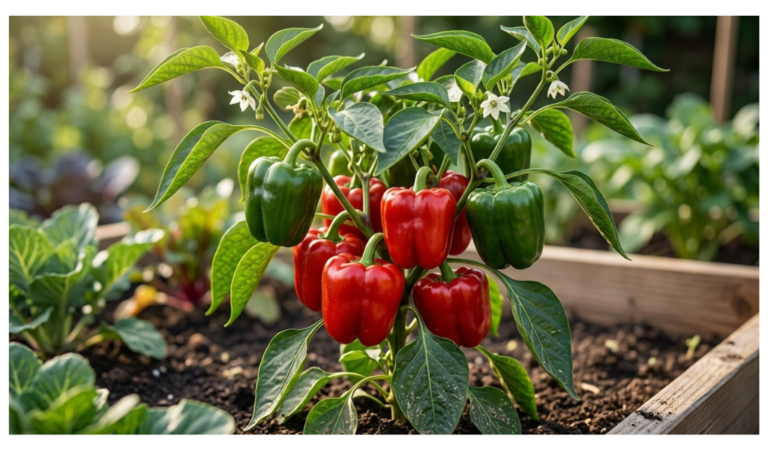
- Bell peppers — possible indoors but require more light and space than smaller types
If you’re trying to grow bell peppers, be prepared to give them a larger pot and more consistent light. They’re not the easiest peppers to grow indoors, but it’s absolutely doable.
Seed Starting
Starting pepper seeds indoors begins with planting them about ¼ inch deep in moist potting mix. Pepper seeds can take anywhere from 10 to 21 days to sprout some hot pepper varieties take even longer. Patience is key.
Keep the soil consistently moist but not waterlogged. Once seeds germinate and the first true leaves appear, you can move seedlings to a brighter location or increase your grow light intensity.
When starting pepper seeds, warmth is non-negotiable. Cold soil causes seeds to germinate poorly or not at all.
Provide Enough Space
As pepper seedlings grow, they need room to develop a healthy root system. Crowding multiple plants into one small container stunts their growth and reduces yields. As a general rule, give each plant its own pot once it has four to six true leaves.
Light Schedule
Set your grow lights on a timer. A consistent 14–16 hour light cycle keeps pepper plants in active growth mode. Inconsistent lighting confuses the plant and can trigger early flowering before the plant is large enough to support a good harvest.
Maintain a Regular Schedule
Peppers respond well to consistency. Water when the top inch of soil feels dry to the touch. Feed with a balanced fertilizer every two weeks during active growth, then switch to a low-nitrogen fertilizer once flowering begins. Too much nitrogen late in the season pushes foliage at the expense of fruit.
Pollination
Outdoors, wind and insects handle pollination. Indoors, you have to step in. Gently shake your plants daily when they’re in flower—this mimics the vibration that helps release pollen. A small oscillating fan can also help with air circulation and pollination throughout the growing cycle.
Caring for Indoor Pepper Plants
Pruning and Supporting Plants
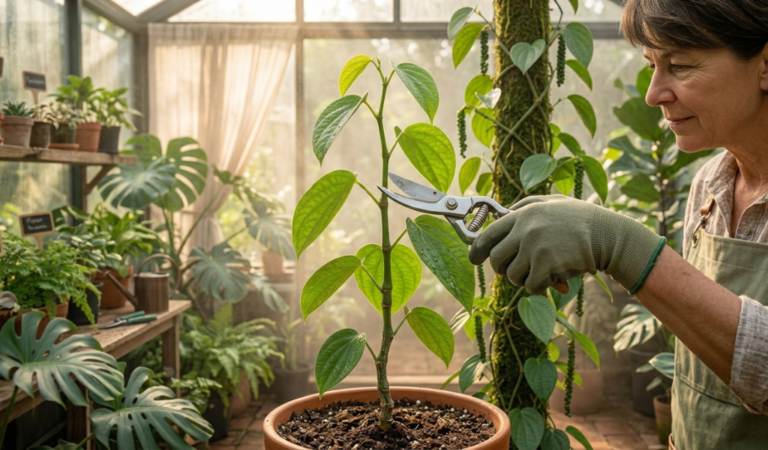
Light pruning keeps indoor peppers productive and manageable. Pinch off the growing tip when the plant is young to encourage bushier growth. Remove any yellowing leaves and crowded branches to improve airflow.
Larger peppers and full-size plants may need staking. A simple bamboo stake tied loosely to the main stem keeps plants upright as they start to produce fruit.
Hand Pollination Tips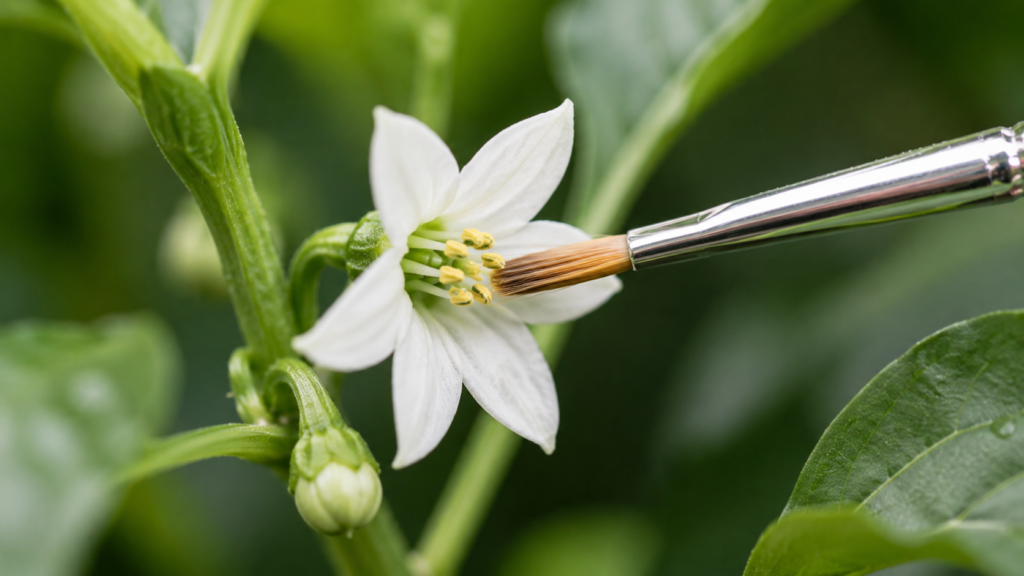
When flowers appear, use a soft paintbrush or cotton swab to transfer pollen from one flower to another. Gently dab the center of each open flower and move to the next. Do this once a day while flowers are open. It’s a simple step that dramatically improves pepper flowers setting into actual fruit.
Common Problems and Solutions
Yellow Leaves
Yellow leaves on a pepper plant usually point to one of three issues: overwatering, nutrient deficiency, or insufficient light. Check your watering frequency first let the soil dry slightly between waterings. If drainage is good and light is adequate, a dose of balanced fertilizer usually resolves it. Persistent yellowing that spreads across the plant can be a sign of stress that needs closer inspection.
Pests and Diseases
Common indoor pests include spider mites, aphids, and fungus gnats. Spider mites tend to appear when the growing environment is too dry—raise humidity slightly and treat with neem oil or insecticidal soap. Aphids cluster on new growth and can be knocked off with a strong water spray. Fungus gnats breed in consistently moist soil, so letting the top layer dry between waterings helps keep them in check.
Good airflow reduces the risk of fungal issues. A small fan running a few hours a day does a lot to keep the growing environment healthy.
Harvesting Indoor Peppers
When to Pick Peppers
Most peppers can be picked at any stage, but flavor deepens as they ripen. Green peppers are simply unripe versions of red, orange, or yellow ones. Leaving them on the plant to fully ripen intensifies sweetness and heat. Watch for firm, glossy skin and consistent color as signs of readiness.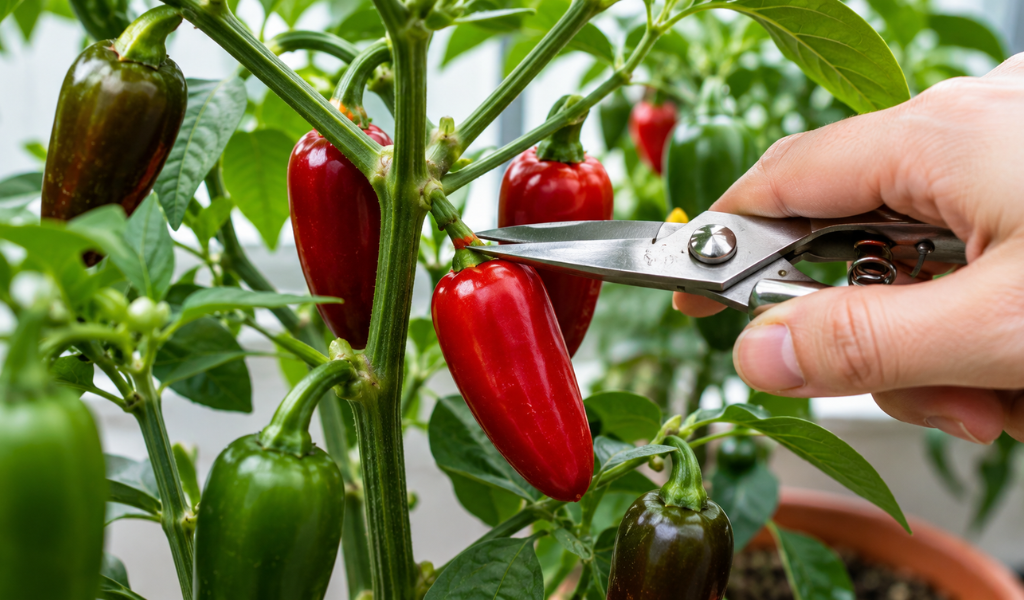
Hot peppers often develop more heat as they mature. If you prefer a milder flavor, harvest early.
Encouraging Continuous Production
Pick peppers regularly rather than letting them sit on the plant too long. Leaving ripe fruit on the plant signals it to slow down new pepper production. Regular harvesting keeps the plant focused on producing new flowers and fruit throughout the growing season.
Peppers are naturally perennial, so with proper care, your indoor plants can continue producing for two or three years before productivity starts to decline.
Final Thoughts: Start Growing Peppers Indoors Today
Growing peppers indoors rewards patience with one of the most satisfying harvests a home grower can enjoy. Once your setup is dialed in good light, proper drainage, consistent watering pepper plants grow reliably and produce far more than most beginners expect.
Start simple. Pick one or two compact varieties, get a decent LED grow light, and work through this pepper growing guide one step at a time. Every pepper geek started exactly where you are right now. The learning curve is shorter than it looks.
Your first homegrown pepper is worth every bit of the effort.
Frequently Asked Questions
What are common pepper growing mistakes?
The most common mistakes are overwatering, using poor-draining soil, and providing too little light. Many beginners also skip pollination indoors, which leads to flowers dropping without producing fruit. Always use containers with drainage to avoid root rot, and provide at least 14 hours of light per day.
What is the trick to growing peppers successfully indoors?
Consistent warmth and light are the two biggest factors. Pepper seeds can take longer to germinate in cool conditions, and plants grow very slowly without adequate light. A heat mat for germination and LED grow lights for the full growth cycle make a significant difference in both speed and yield.
Can I grow different pepper varieties together indoors?
Yes. Different pepper varieties can share the same space as long as each plant has its own pot with enough room to develop. Mixing compact hot peppers with larger sweet peppers works fine just make sure taller plants don’t shade out smaller ones.
Can I grow peppers indoors all year?
Absolutely. This is one of the main advantages of indoor growing. With artificial lighting and stable indoor temperatures, you can grow peppers year-round without worrying about frost or seasonal changes. Peppers to grow indoors include both annual and perennial varieties, and many plants will keep producing for multiple years with proper care.
How hard is it to grow peppers indoors?
It’s easier than most people expect. The learning curve mostly involves dialing in your light setup and watering routine. Once those two things are consistent, peppers are relatively forgiving plants. Compact varieties are the easiest place to start—they require less growing space and adapt well to container life.
What are the essential tips for successfully growing peppers indoors?
Use a well-draining potting mix, provide 14–16 hours of light with LED grow lights, water only when the top inch of soil feels dry, hand-pollinate flowers regularly, and feed with a balanced fertilizer during growth. Choosing the right pepper varieties for your space makes everything easier from the start.