Do Peppers Grow Better in Pots or Ground? A Complete Guide
Do Peppers Grow Better in Pots or Ground Soil? Everything You Need to Know
If you’ve ever wondered whether to grow peppers in containers or plant them straight into your garden bed, you’re not alone. It’s one of the most common questions among home growers and the answer isn’t as simple as you might think. Both methods work well, but each comes with its own set of trade-offs depending on your space, climate, and goals.
This guide breaks down everything you need to know: from how peppers grow in pots versus the ground, to which method gives you a bigger, better harvest. Whether you’re growing sweet bell peppers on a balcony or planting an entire pepper patch in your backyard, you’ll find clear, practical advice here.
Understanding Pepper Plant Growing Needs
Before choosing where to plant, it helps to understand what peppers actually need to thrive. Get these basics right, and your pepper plants will reward you with a solid harvest no matter where you plant them.
Sunlight Requirements
Peppers love full sun. They need at least 6 to 8 hours of direct sunlight each day, and more is usually better, especially for hot pepper varieties. Without enough light, plants become leggy, flower production drops, and you end up with fewer peppers overall.
This is one area where container growing actually has an edge. You can move pots around to chase the sun, placing them on a patio, balcony, or driveway where light is best. Garden beds, on the other hand, are fixed in place so you need to plan your layout carefully before you plant.
Soil Quality
Peppers prefer well-draining, fertile soil with a slightly acidic pH between 6.0 and 6.8. They don’t do well in compacted or waterlogged ground. Heavy clay soils, in particular cactus potting soil, can choke root development and lead to disease problems.
In containers, you have full control over your growing medium, which makes it easier to give plants exactly what they need from the start. In a garden, improving soil quality takes more effort especially if you’re working with poor native soil.
Water and Nutrients
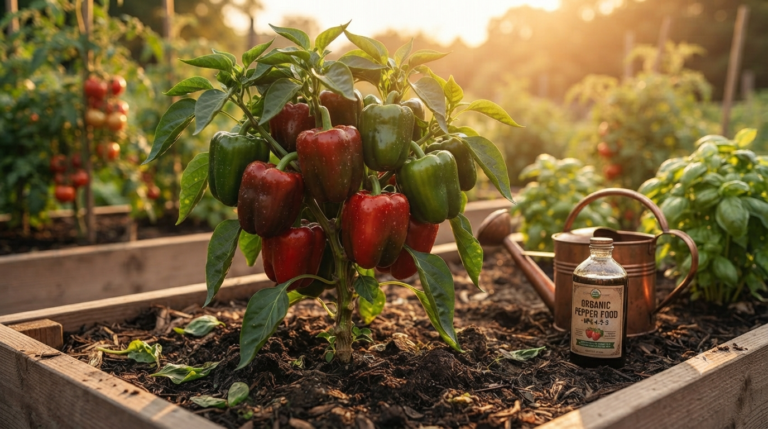
Peppers need consistent moisture but hate sitting in water. They also happen to be heavy feeders, meaning they pull a lot of nutrients from the soil throughout the growing season. Regular feeding with a balanced fertilizer, especially once plants start flowering, makes a real difference in production.
Container plants dry out faster than those in the ground, so watering frequency becomes a bigger concern when you grow peppers in pots. Garden-grown plants have access to a deeper soil reservoir, which can buffer against dry spells but they still benefit from mulching and regular feeding.
Can You Grow Peppers in Containers?
Yes, absolutely. Many pepper varieties do surprisingly well in pots, and container growing opens the door for people who don’t have traditional garden space. Growing peppers in containers is a great option for apartment dwellers, renters, and anyone working with small spaces.
Advantages of Container Peppers
One of the biggest advantages of container growing is flexibility. You can start plants indoors early in the season, then move them outside when temperatures warm up. During a hot summer or unexpected cold snap, you can shift the container to a more sheltered spot. This kind of control is something ground-planted peppers simply can’t offer.
Container peppers also tend to have fewer pest and disease issues, partly because you start with fresh potting mix each season. And if you’re gardening in a region with poor garden soil, skipping the ground entirely can actually produce better results.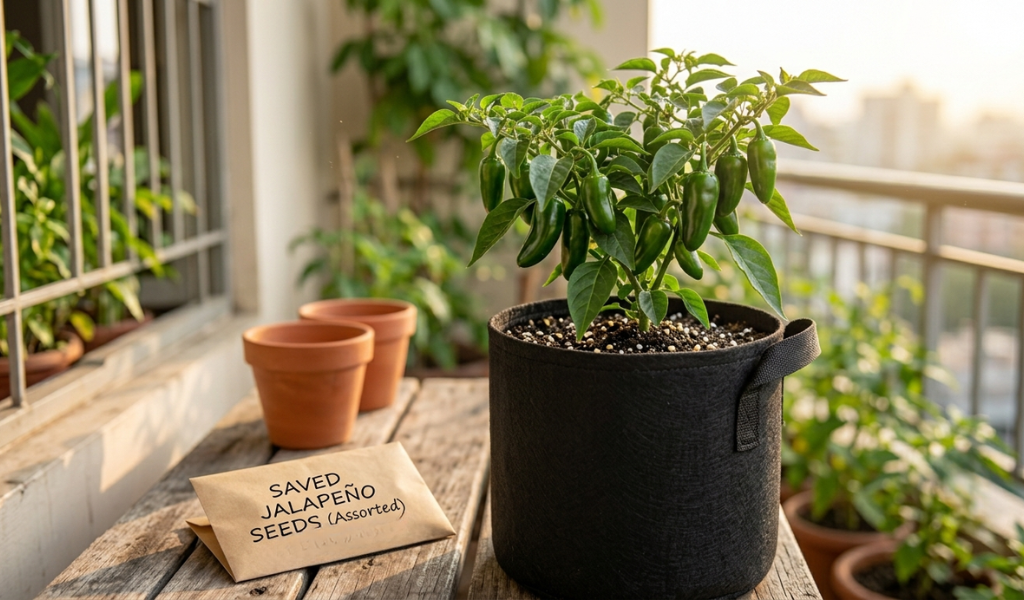
Choosing the Right Container for Maximum Fruit Production
Container size matters more than most people realize. A pot that’s too small will restrict root development, stress the plant, and reduce your number of peppers significantly.
For most sweet pepper and bell pepper varieties, aim for a container that holds at least 12 to 16 inches in diameter and roughly 12 inches deep. Hot pepper types and compact varieties can manage in slightly smaller pots, but bigger is generally better when it comes to fruit production.
Best Container Materials
Not all pots are created equal. Here’s a quick breakdown of the most popular options:
Terracotta pots are heavy and breathable, which is great for root health but means they dry out quickly something to keep in mind during a hot summer.
Plastic containers retain moisture well and are lightweight, making them easy to move. They’re a solid, budget-friendly option for growing peppers in pots.
Fabric grow bags have become increasingly popular with vegetable growers. Fabric grow bags allow excellent airflow to roots, which encourages healthy, branching root systems. They also self-prune roots naturally, preventing the circling that can limit plant growth in solid-sided pots.
Selecting Potting Mix
Never use garden soil in a container. It compacts over time and doesn’t drain properly. Instead, choose a high-quality potting mix ideally one designed for vegetables or container plants. You can also mix in perlite or coarse sand to improve drainage, and add slow-release fertilizer granules to give plants a steady nutrition base.
Planting Peppers in Containers the Right Way
Step-by-Step Planting Process
- Fill your container with fresh, well-draining potting mix, leaving about 2 inches from the top.
- If the plant starts, gently remove them from their nursery pots and loosen the root ball slightly.
- Dig a hole deep enough to sit the plant at the same level it was growing in its original pot or slightly deeper.
- Backfill with potting mix, firm gently, and water thoroughly.
- Place the container in a location that gets full sun for most of the day.
- Begin feeding with a balanced fertilizer once the plant is established (around 2 weeks after planting).
Transplanting peppers from seed or nursery pots into containers is usually straightforward. Just avoid disturbing the roots too much and keep them well-watered for the first week or two as they settle in.
Growing Peppers in Garden Beds
For those with outdoor space, planting peppers directly into the ground remains a tried-and-true method and for good reason. Garden-grown peppers often produce larger plants and higher yields, given the right conditions.
Advantages of Garden Peppers
The main benefit of growing in a garden bed is root freedom. Plants in the ground can spread their roots as wide and deep as they need to, drawing moisture and nutrients from a much larger soil volume. This tends to support bigger plants and bigger crops over a long growing season.
Garden growing also requires less frequent watering and feeding compared to container plants, which makes it a slightly lower-maintenance approach once plants are established.
Preparing Garden Soil
Good soil preparation is the foundation of successful garden peppers. Before planting, work compost or aged organic matter into your garden soil to improve its texture and nutrient content. If your soil is heavy clay or very sandy, aim to amend it generously peppers are sensitive to poor drainage and will struggle in compacted ground.
Do a soil pH test if you’re unsure about your conditions. If needed, lime can raise pH and sulfur can lower it. Getting this right before planting saves a lot of trouble later in the season.
Proper Plant Spacing
Crowding peppers is a common mistake. Plants grown too close together compete for nutrients and light, and they’re more prone to disease because airflow between them is reduced.
Space most pepper varieties 18 to 24 inches apart in rows, with rows spaced about 24 to 36 inches from each other. Compact varieties of peppers can be planted a bit closer, but when in doubt, give them more room rather than less.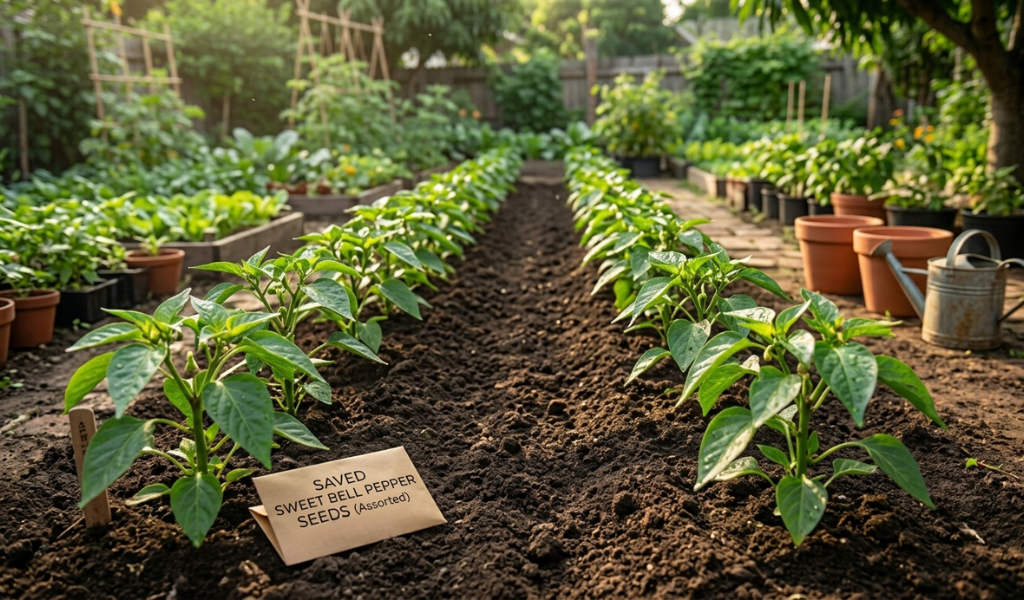
Mulching Benefits
Mulching around your pepper plants is one of the simplest things you can do to improve growing conditions in a garden bed. A 2- to 3-inch layer of straw, wood chips, or shredded leaves keeps moisture in the soil, reduces weeds, and regulates soil temperature during a hot summer. It also breaks down gradually, adding organic matter back into the soil.
Container Peppers vs. Garden Peppers ,Which Method Produces Better Peppers?
Here’s where things get interesting. Let’s compare both methods across the factors that matter most.
Available Growing Space: Containers let you grow peppers in small spaces where garden beds aren’t possible. But if you have the yard space, in-ground growing gives roots room to expand.
Root Development: Garden beds win here. Unrestricted root growth supports stronger, more productive plants long-term. Container peppers may become root-bound if pots aren’t large enough.
Watering: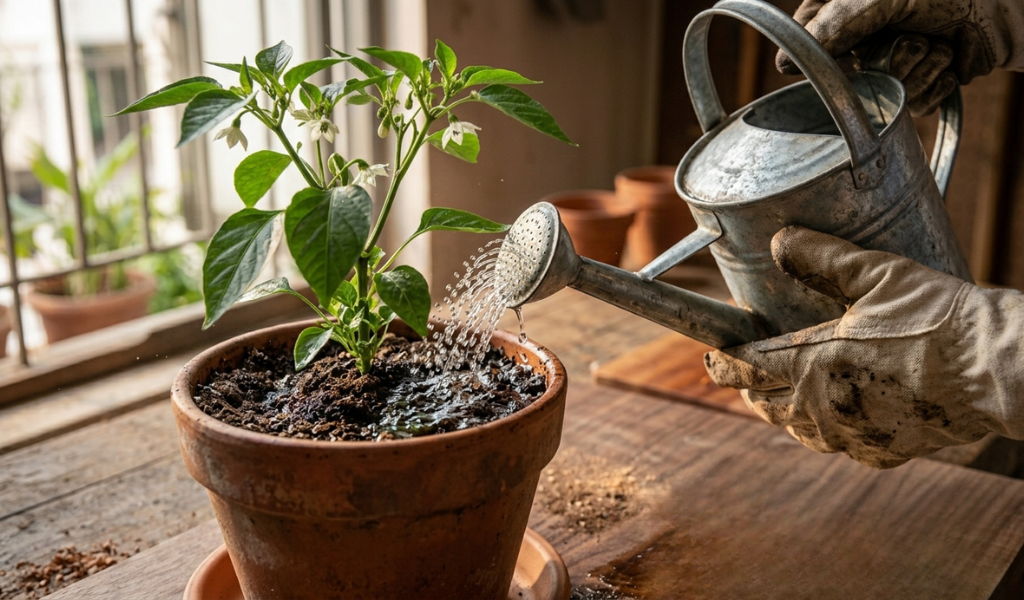 Ground-planted peppers hold moisture longer and are more forgiving if you miss a watering day. Potted peppers dry out faster and need closer attention throughout the growing season.
Soil Quality: Containers let you tailor your growing medium precisely. Garden soil requires more preparation upfront, but once it’s right, it’s very effective.
Production: In general, garden peppers produce more fruit per plant due to better root development and soil volume. However, well-managed container peppers can still yield impressive crops especially compact varieties.
Plant Size: Garden-grown plants tend to be larger overall. Container plants stay more compact, which can actually be an advantage in smaller spaces.
Fertilizing: Peppers are heavy feeders in both setups, but container plants need more frequent fertilizing since nutrients leach out faster with regular watering.
Weed Control: Container growing has a clear advantage here. Weeds are nearly a non-issue in a pot, while garden beds require regular maintenance.
Disease Prevention: Containers can be easier to manage from a disease standpoint since you start fresh each year. Garden beds can harbor soil-borne pathogens if the same spot is used year after year rotating crops helps.
Harvesting: Both methods are easy to harvest from. Use clean pruning shears to cut peppers from the plant rather than pulling, which can damage stems and reduce future production. Peppers can be harvested at various stages of maturity.
Which Is Better for Beginners?
For beginners, containers are often the more forgiving starting point. You have more control over growing conditions, fewer weeds to manage, and the ability to move plants if something isn’t working. Growing peppers in containers is also easy to scale start with one or two pots and expand from there.
That said, if you already have a prepared garden bed with good soil and plenty of sun, planting in the ground is equally beginner-friendly. The key in either case is consistent watering and feeding.
Which Growing Method Produces the Biggest Harvest?
If maximum yield is your goal, garden beds have the edge particularly for larger varieties like bell peppers and banana peppers, which benefit from the extra root room. A healthy garden-grown pepper plant can produce peppers all summer long.
That said, container peppers can get surprisingly close in yield if you choose the right variety, use a large enough pot, and stay consistent with watering and fertilizing. Compact and dwarf varieties of peppers are specifically bred to grow well in pots, and they often perform better in containers than their larger counterparts.
Real-World Growing Experience
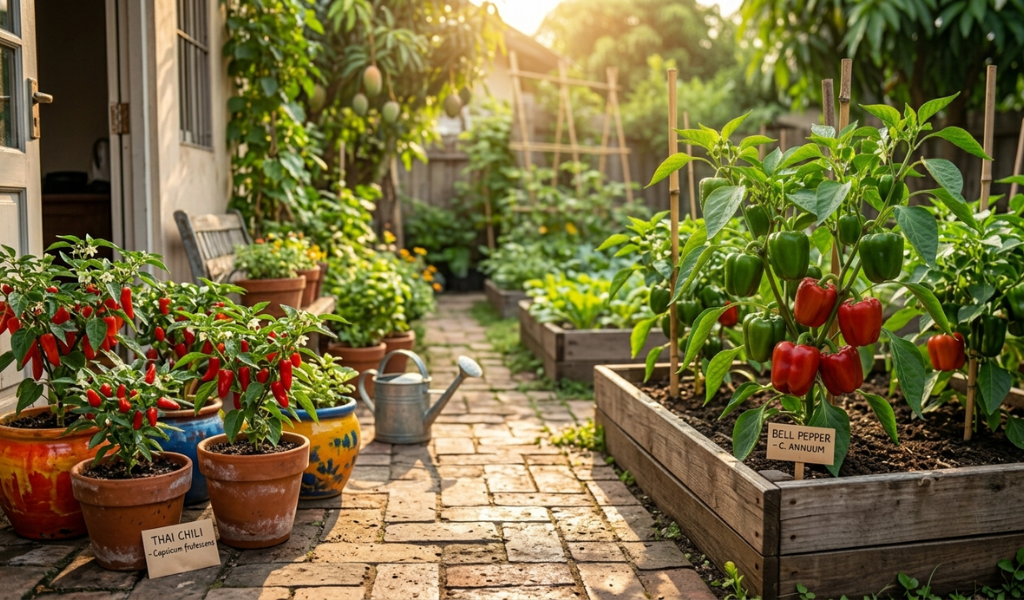
Many gardeners who’ve tried both methods settle into a combination approach: growing hot pepper varieties and compact plants in containers near the kitchen door for convenience, while dedicating garden bed space to larger plants like sweet peppers and bell peppers that benefit from more room.
This hybrid approach lets you take advantage of the flexibility containers offer while still getting the higher yields that ground growing tends to support for bigger plants.
Final Thoughts: Which Should You Choose?
The honest answer? Both methods can produce great peppers. The best choice depends on your specific situation.
Go with containers if you’re working with limited space, renting your home, dealing with poor garden soil, or want the flexibility to move plants around throughout the season. Choose garden beds if you have good outdoor growing conditions, want to maximize production, and prefer a lower-maintenance watering schedule once plants are established.
Whichever route you take, start with quality seeds or plant starts, give your peppers plenty of sun, feed them regularly throughout the growing season, and harvest ripe peppers promptly to encourage the plant to keep producing. Do those things consistently, and you’ll end up with more peppers than you know what to do with.
Frequently Asked Questions
What is the trick to growing peppers?
The biggest trick is consistency. Peppers need steady sunlight (6 to 8 hours daily), regular watering without waterlogging, and consistent feeding with a fertilizer high in potassium and phosphorus once flowering begins. Avoiding temperature extremes and harvesting peppers regularly to encourage continued production are also key habits that make a real difference.
Can I plant bell peppers in October?
In most climates, October is too late in the season to plant bell peppers outdoors, as they require warm temperatures to thrive. However, in warmer regions like USDA zones 9 to 11 (parts of California, Florida, and Texas), fall planting can work well. You can also plant bell peppers indoors in October and plan to transplant them outside in spring.
Do bell peppers do better in pots or in the ground?
Bell peppers generally do better in the ground because they grow into larger plants and produce more fruit when their roots have plenty of room to expand. That said, bell peppers can grow well in containers if you use a pot that’s at least 14 to 16 inches in diameter and provide consistent water and fertilizer throughout the growing season.
What are common pepper growing mistakes?
The most common mistakes include planting too early (peppers are cold-sensitive), using containers that are too small, inconsistent watering, failing to feed plants regularly, and neglecting to harvest ripe peppers promptly. Planting in a location that doesn’t receive full sun is another mistake that significantly limits production.
What is the ideal pot size for growing peppers?
Most pepper varieties do best in containers that are at least 12 to 16 inches wide and 12 inches deep. Larger varieties like bell peppers benefit from even bigger containers up to 5 gallons or more. Compact and dwarf varieties can manage in slightly smaller pots, but a larger container always gives you a better chance of a healthy, productive plant.
Do peppers grow better in pots or in the ground?
Peppers generally produce higher yields when grown in the ground due to better root development and access to a larger soil volume. However, peppers grow very well in containers when given the right pot size, quality potting mix, and consistent care. For gardeners with limited space or poor native soil, containers can actually outperform in-ground growing.
What is the trick to successfully growing peppers?
Beyond the basics of sun and water, the real trick is feeding peppers regularly they are heavy feeders that respond well to fertilizer, especially during the flowering and fruiting stages. Switching to a fertilizer higher in potassium and phosphorus (and lower in nitrogen) once plants start to flower helps redirect the plant’s energy toward fruit production rather than leafy growth.