How to Identify and Treat Tomato Blight in Your Garden: Tips and Best Practices
Tomato Blight: The Complete Guide to Spotting, Treating, and Preventing It
There is a particular kind of dread that hits every tomato grower the moment they spot dark, spreading spots on a leaf that was healthy just days before. Tomato blight is one of the most common and most destructive problems in the vegetable garden, capable of taking down a thriving plant in a matter of weeks if it goes unchecked. The good news is that once you understand how blight works, it becomes much easier to catch early, treat effectively, and prevent from coming back season after season.
This guide walks through everything you need to know about tomato blight, from the different types you are likely to encounter, to the environmental conditions that encourage it, to practical steps you can take right now to protect your plants. Whether you are dealing with your first outbreak or trying to stop a recurring problem in your garden, the information below will help you get ahead of it.
Understanding Tomato Blight
Tomato blight is a fungal disease that attacks the leaves, stems, and sometimes the fruit of tomato plants, causing dark spots, wilting, and eventually the death of affected foliage. It thrives in specific weather conditions, particularly warm, humid environments where moisture lingers on leaves for extended periods. Once established, blight spreads quickly, moving from leaf to leaf and plant to plant through wind, rain splash, and even contact from garden tools or hands.
What makes blight especially frustrating is that it can strike healthy looking plants seemingly out of nowhere, though in reality the fungal spores were likely present in the soil or nearby plant debris well before symptoms appeared. Understanding this helps explain why prevention matters so much. Using Epsom Salt for Tomato Plants may be part of a broader tomato care routine, but it should not replace proper disease prevention. By the time you see obvious signs, the fungus has often already gained a foothold, so managing the conditions that allow blight to thrive is just as important as treating it after the fact.
Blight is not a single disease but rather a category that includes a few distinct fungal infections, each with its own behavior, timing, and level of severity. Knowing which type you are dealing with changes how urgently you need to act.
Common Types of Tomato Blight
Early blight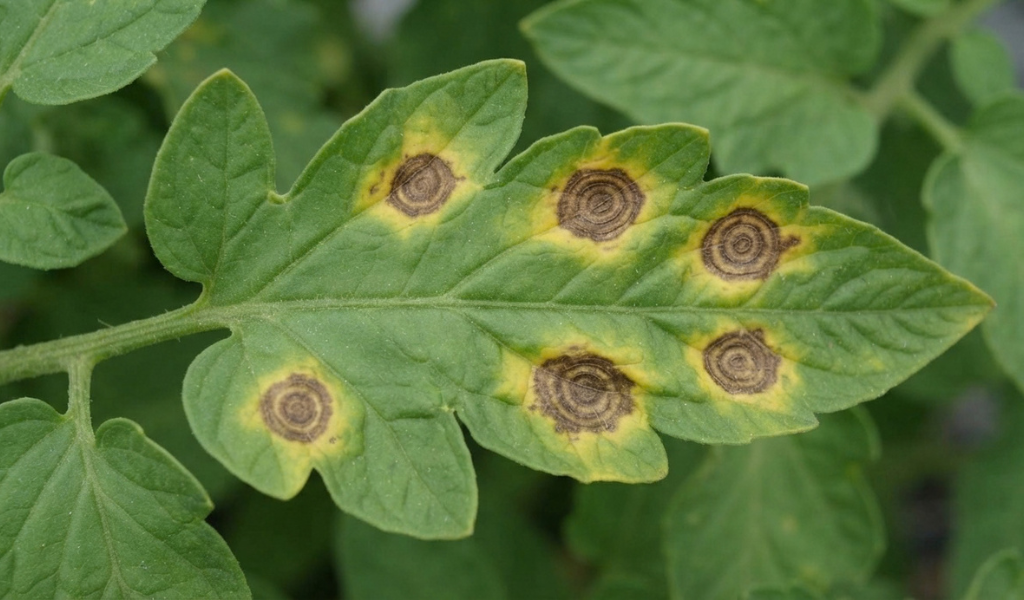
Early blight is caused by a fungus that typically shows up once plants are established and fruiting, often appearing on lower, older leaves first. It causes dark brown spots with a distinctive ring pattern, sometimes described as looking like a target or bullseye. As the disease progresses, the tissue around these spots turns yellow, and eventually whole leaves die off and drop from the plant. Early blight tends to spread more slowly than its counterpart, giving gardeners more time to intervene before serious damage occurs.
Late blight
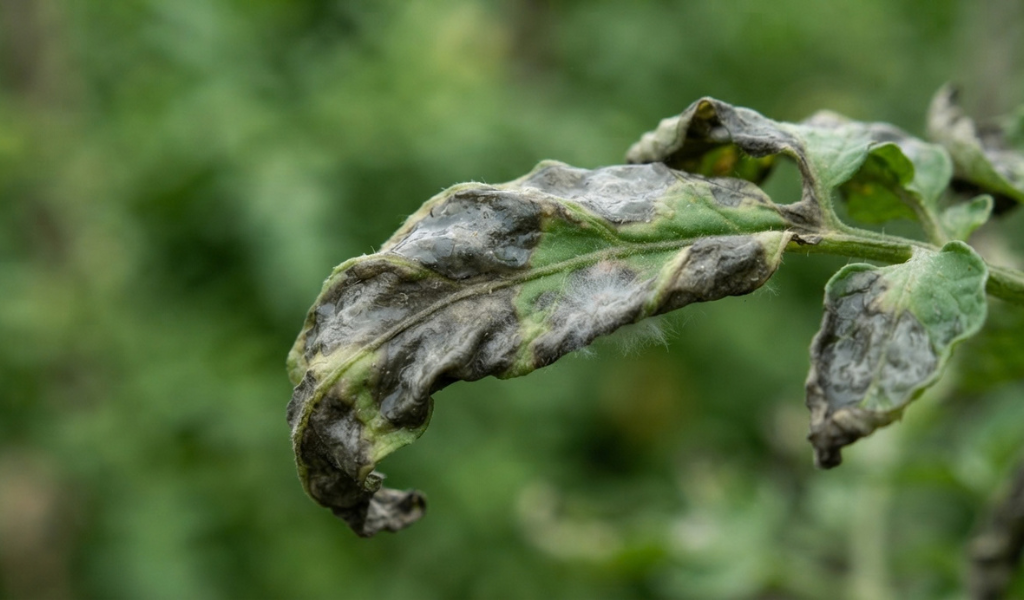
Late blight is the more aggressive and dangerous of the two, historically known for causing the Irish potato famine since it affects potatoes as well as tomatoes. It appears as irregular, water soaked spots on leaves that quickly turn brown or black, often with a fuzzy white mold visible on the underside of affected leaves during humid conditions. Late blight can destroy an entire plant within days under the right weather, and it spreads rapidly through a garden or even between neighboring properties when conditions are favorable. Unlike early blight, late blight can also infect the fruit itself, causing firm, dark, greasy looking lesions that make tomatoes unusable.
Common Signs of Tomato Blight
Recognizing blight early gives you the best chance of limiting the damage. The first signs usually appear as small spots on leaves, which can be brown, black, or dark green depending on the type of blight involved. These spots often start on lower leaves closer to the soil, since that is where fungal spores splash up during rain or watering.
As the disease progresses, spots enlarge and may develop the ringed pattern typical of early blight, or the water soaked, spreading look typical of late blight. Leaves surrounding the spots often turn yellow before the whole leaf browns and dies. In more advanced cases, stems can develop dark lesions as well, and in severe outbreaks, entire sections of the plant may collapse. Checking your plants regularly, especially the lower leaves and the undersides of foliage, helps you catch these signs while the problem is still manageable.
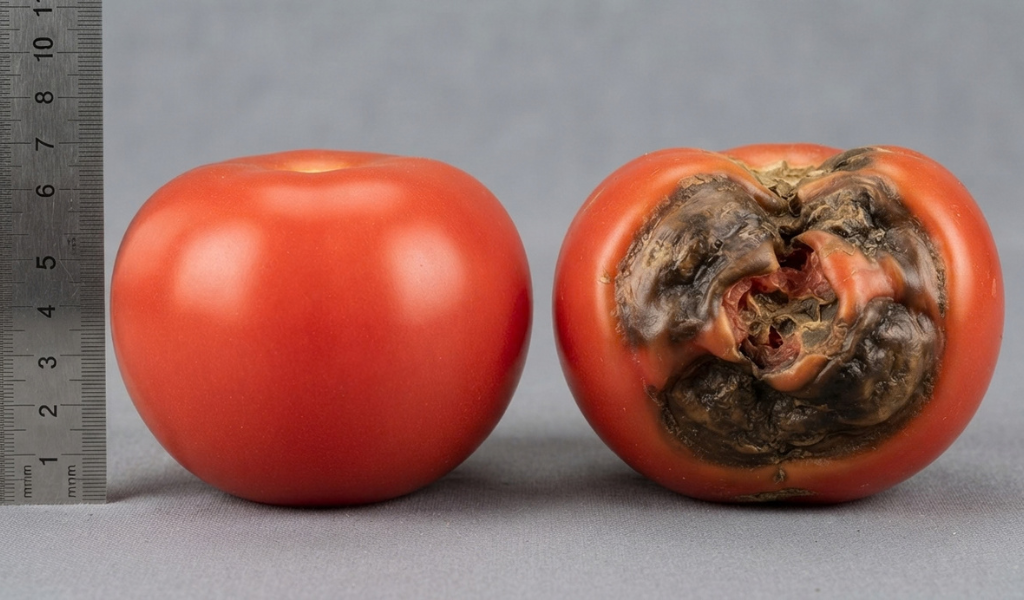 Early Blight vs. Late Blight
While both diseases fall under the same general category, they behave quite differently, and telling them apart helps you respond appropriately. Early blight tends to appear gradually over the growing season, often triggered by warm temperatures combined with humidity, and it progresses at a pace that allows for treatment and containment. The classic target shaped spots with concentric rings are the clearest way to identify it.
Late blight, by contrast, can appear suddenly and spread with alarming speed, particularly during cool, wet weather, which is somewhat unusual since most fungal diseases prefer heat. A garden that looks perfectly healthy one week can show serious late blight damage the next. Because late blight also affects fruit and can wipe out an entire planting quickly, it is generally considered the more serious threat, and infected plants are often best removed entirely rather than treated, to prevent the disease from spreading to healthy neighbors.
Environmental Conditions Linked to Blight
Blight does not appear randomly. It is closely tied to specific environmental conditions that create the perfect breeding ground for fungal spores. Warm, humid weather with extended periods of leaf wetness is the single biggest factor behind early blight outbreaks, which is why gardens in regions with muggy summers tend to see more frequent problems.
Late blight, interestingly, favors cooler temperatures paired with high humidity or frequent rain, which is why it often shows up in early spring or fall rather than the peak heat of summer. Poor air circulation around plants compounds both types of blight, since stagnant, humid air around foliage keeps leaves wet longer than they would stay in a breezy garden. Overcrowded plantings, dense foliage, and gardens tucked into shaded, poorly ventilated corners are all more prone to blight for this reason.
Soil that has previously grown blight infected tomatoes or potatoes can also harbor fungal spores that survive through winter, ready to infect new plants the following season. This is part of why crop rotation plays such an important role in long term prevention.
Improving Air Circulation Around Plants
Since stagnant, humid air is such a major contributor to blight, improving airflow around your tomato plants is one of the most effective preventive steps you can take. Start by spacing plants properly when you plant them, giving each one enough room to grow without crowding its neighbors. Crowded plants trap moisture between their leaves and take much longer to dry out after rain or morning dew.
Pruning also helps significantly. Removing lower leaves that touch or come close to the soil reduces the chance of fungal spores splashing up from the ground onto foliage. Thinning out dense interior growth on the plant allows air to move through more freely, helping leaves dry faster after watering or rainfall. 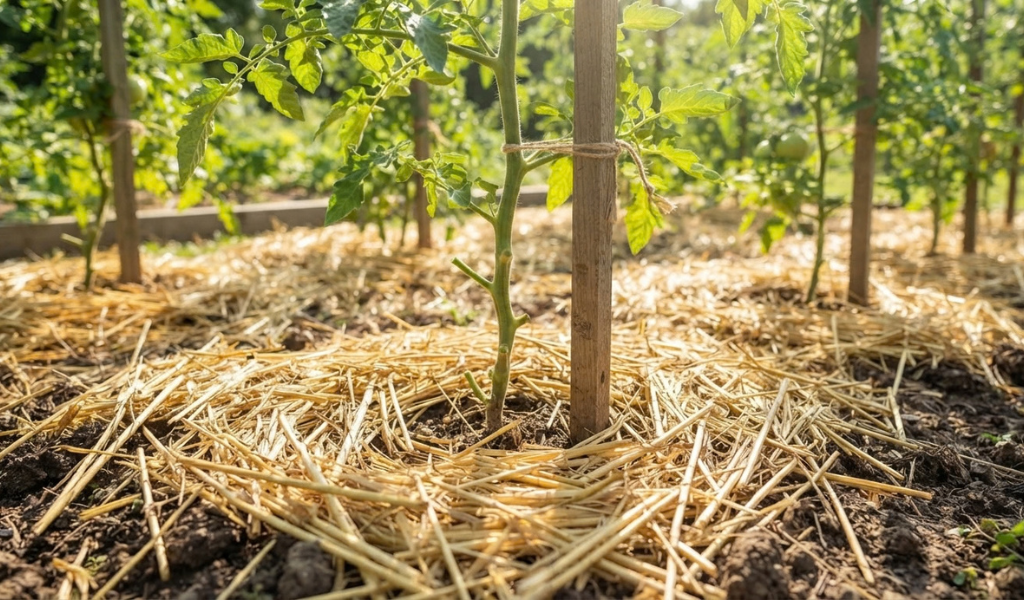
Staking or caging tomato plants keeps foliage up off the ground and improves airflow compared to letting plants sprawl across the soil surface.
If your garden is in a particularly sheltered or shaded spot with little natural breeze, consider whether nearby structures, fences, or dense plantings are blocking airflow, and adjust your layout if possible for future seasons.
Watering Practices for Blight Prevention
How you water your tomato plants has a direct impact on blight risk. Watering overhead, especially in the evening, leaves foliage wet for extended periods overnight, creating exactly the conditions fungal spores need to take hold and spread. Instead, water at the base of the plant, directing moisture straight to the roots rather than splashing it across the leaves.
Morning watering is generally better than evening watering, since it gives leaves the whole day to dry out under sun and normal air movement, rather than sitting damp through the cooler nighttime hours. A soaker hose or drip irrigation system is ideal for this, delivering water directly to the soil with minimal splash back onto foliage.
Mulching around the base of your plants also helps by preventing soil, which can carry fungal spores, from splashing up onto lower leaves during rain or watering. A layer of straw, shredded leaves, or landscape fabric between the soil and your plant’s lowest foliage adds a helpful barrier against this common transmission route.
Natural and Organic Treatment Options
For gardeners who prefer to avoid synthetic chemical treatments, several natural and organic options can help manage blight, particularly when applied early before an outbreak becomes severe. Copper based fungicides are a common organic choice, forming a protective barrier on leaf surfaces that makes it harder for fungal spores to establish an infection. These need to be reapplied regularly, especially after rain, to stay effective.
Baking soda mixed with water and a small amount of liquid soap creates a homemade spray that some gardeners use as a preventive treatment, since the alkaline environment it creates on leaf surfaces is inhospitable to fungal growth. Neem oil is another organic option with some antifungal properties, though it tends to work better as a preventive measure than as a cure for an active, established infection.
Whatever treatment you choose, timing matters more than the product itself. Applying treatments preventively, before symptoms appear or at the very first sign of trouble, is far more effective than trying to treat a plant that already has extensive blight damage.
Removing Infected Plant Material
Once blight has taken hold, removing infected material promptly is one of the most important things you can do to protect the rest of your garden. Cut away infected leaves as soon as you spot them, using clean, sharp tools, and disinfect those tools between cuts to avoid spreading spores to healthy parts of the plant or to other plants nearby.
In cases of severe infection, particularly with fast moving late blight, removing the entire plant may be necessary to protect the rest of your tomato crop. This can feel drastic, but a single infected plant left in place can spread spores throughout your whole garden within days under the right conditions.
Never compost infected plant material in a standard home compost pile, since most home compost setups do not reach temperatures high enough to reliably kill fungal spores. Instead, bag infected leaves and plants and dispose of them in household trash, or burn them if local regulations allow, to fully remove the risk of spores surviving and reinfecting your garden later.
Long-Term Blight Prevention
Preventing blight over the long term comes down to a combination of good habits practiced consistently rather than any single fix. Crop rotation is one of the most effective strategies, since avoiding planting tomatoes or potatoes in the same soil year after year prevents fungal spores from building up in that location. Waiting at least two to three years before replanting nightshade family crops in the same bed gives the soil time to clear itself of lingering spores.
Choosing blight resistant tomato varieties is another smart long term move, since plant breeders have developed varieties with genetic resistance to both early and late blight. These are not completely immune, but they tend to hold up much better under pressure than susceptible varieties.
Cleaning up your garden thoroughly at the end of each season also matters. Fallen leaves, dead plant material, and old stakes or cages can all harbor fungal spores through winter, ready to reinfect new plants the following spring. A thorough fall cleanup, combined with the watering and spacing practices covered earlier, builds a garden environment that is naturally less hospitable to blight year after year.
Final Thoughts
Tomato blight is frustrating, but it does not have to define your growing season. Understanding the difference between early and late blight, recognizing the signs early, and putting good prevention habits in place around watering, spacing, and airflow will dramatically reduce your risk. When blight does show up, acting quickly to remove infected material and applying treatment early gives your remaining plants the best chance of staying healthy.
Take a walk through your garden this week and check your tomato plants closely, especially the lower leaves. Catching blight early, combined with the prevention steps covered here, is the difference between a minor setback and losing your whole crop.
Frequently Asked Questions
Can tomato blight be cured once a plant is infected?
Early blight can often be managed and slowed with treatment and removal of infected leaves, but late blight is much harder to stop once established, and severely infected plants usually need to be removed entirely.
How fast does late blight spread compared to early blight?
Late blight spreads much faster, sometimes destroying a plant within days under cool, humid conditions, while early blight progresses more gradually over weeks, giving gardeners more time to respond.
Does tomato blight affect the fruit or just the leaves?
Early blight mostly affects leaves and stems, while late blight can also infect fruit, causing dark, firm lesions that make tomatoes unsuitable to eat.
Can I compost tomato plants with blight?
No, infected plant material should not go into a home compost pile, since most home compost does not get hot enough to kill fungal spores. Bag and dispose of infected plants in the trash instead.
What weather conditions make tomato blight worse?
Early blight thrives in warm, humid weather, while late blight prefers cooler, wet conditions. Both are worsened by poor air circulation that keeps leaves wet for long periods.
Are some tomato varieties resistant to blight?
Yes, several tomato varieties have been bred for resistance to early or late blight. Choosing these varieties can significantly reduce your risk, though no variety is completely immune.