How to Make Compost Tea at Home: Compost Tea Brewing Tips
How to Make Compost Tea at Home: Simple Brewing Guide
Learning how to make compost tea at home is one of the simplest ways to turn kitchen scraps and yard waste into a nutrient-rich liquid for your garden. If you have ever stood in the fertilizer aisle wondering whether there is a simple and budget-friendly way to support your plants, compost tea can be a useful option. This guide explains How to Make Compost Tea at Home using a straightforward compost tea recipe, along with practical brewing tips, application methods, and common mistakes to avoid. You will learn how to choose mature compost, prepare the tea, brew it properly, and apply it around your plants without making the process complicated.
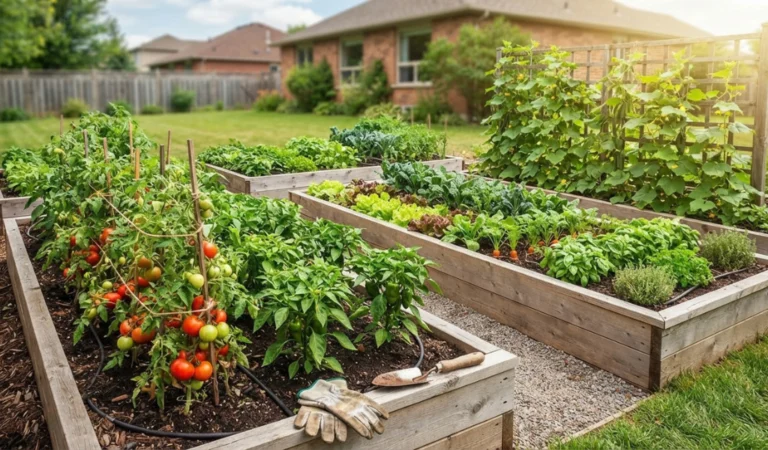
Whether you are growing vegetables in containers, maintaining raised beds, or caring for a backyard garden, How to Make Compost Tea at Home can become a simple part of your regular gardening routine. It also works well alongside projects such as small space vegetable gardening and Growing Tomatoes in Raised Beds, giving gardeners an easy way to make better use of homemade compost.
What Exactly Is Compost Tea (And Why Your Plants Will Love It)
Compost tea is a liquid made by steeping finished compost in water, then creating conditions that encourage beneficial microorganisms to thrive. When gardeners search for how to make compost tea at home, they are usually looking for a simple way to turn finished compost into a useful liquid for the garden. Unlike granular fertilizer, which mainly supplies specific nutrients such as nitrogen, phosphorus, and potassium, compost tea is focused on introducing microorganisms and organic compounds associated with healthy compost into the soil. That is the basic idea behind how to make compost tea at home. Instead of thinking only about feeding the plant, gardeners can also focus on supporting the soil environment around the roots. For anyone interested in how to make compost tea at home, this soil-first approach is one of the main reasons compost tea remains popular among organic gardeners.
Gardeners who grow in tight spaces, such as those practicing Small Space Vegetable Gardening on a patio or balcony, may also appreciate compost tea because it can be made with a relatively small amount of equipment and finished compost.
What You’ll Need to Make Compost Tea at Home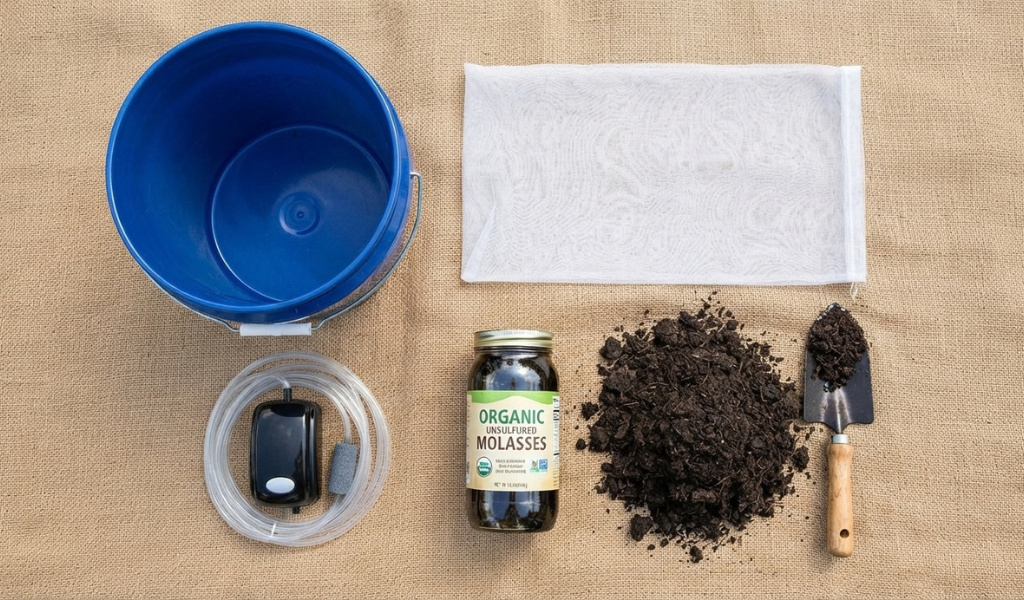
Before starting your compost tea recipe, gather the supplies needed for a smooth brewing process. You will generally need a clean 5-gallon bucket, an air pump, flexible tubing, and an air stone similar to the equipment used in fish tanks. You will also need a mesh bag or clean porous material for holding the finished compost, along with water that is suitable for brewing. Some gardeners use molasses or another microbial food source, while others add materials such as worm castings or vermicompost. If you are researching how to make compost tea at home, preparing everything before brewing can make the process much easier. The goal of aerated compost tea brewing is to keep the mixture oxygenated while the compost interacts with the water. Understanding these basic supplies is an important part of learning how to make compost tea at home because the brewing environment can affect the microorganisms in the finished mixture.
The Difference Between Compost Tea and Compost Extract
People often confuse compost tea with compost extract or compost leachate, but they are not exactly the same thing. A compost extract is generally made by mixing compost with water, allowing the material to release soluble compounds and microorganisms, and then straining the mixture before use. Aerated compost tea involves active aeration, usually with an air pump and air stone, during the brewing period. If you are learning how to make compost tea at home, knowing this difference helps you choose the method that fits your gardening goals. Traditional methods may simply soak compost in water, while aerated methods are designed to maintain oxygen throughout the brew.
This distinction is especially important when following a specific compost tea brewing method because different recipes can use different ingredients, brewing times, and application instructions.
Why Homemade Compost Tea Is Popular With Gardeners
Commercial fertilizers and compost tea serve different purposes. A conventional fertilizer provides measured nutrients, while compost-based products are often used to support organic matter and soil biology. For gardeners interested in how to make compost tea at home, one appealing advantage is the ability to use finished compost they already have available. Once you have suitable compost, a bucket, aeration equipment, and the other basic supplies, you can prepare a batch without purchasing a new bottle of fertilizer every time your plants need attention. Learning how to make compost tea at home can therefore be a practical addition to an organic gardening routine. It can be used around vegetables, flowers, herbs, and other garden plants when prepared and applied appropriately. For gardeners growing nutrient-demanding crops such as tomatoes in raised beds, compost tea may fit alongside compost, mulch, proper watering, and a balanced fertilization plan. The key when learning how to make compost tea at home is to focus on clean equipment, mature compost, adequate oxygen, and sensible application rather than assuming that more tea automatically means healthier plants. With the right approach, how to make compost tea at home becomes a simple gardening project that can help you make better use of the compost you already produce.
What You Need Before You Start Brewing
Water quality matters more than most beginners realize. Tap water often contains chlorine, which is added specifically to kill microorganisms, and that includes the beneficial microbes you’re trying to grow in your tea. If you only have tap water available, let it sit out uncovered for 24 to 48 hours so the chlorine can dissipate naturally, or run your air pump in it for about an hour before adding compost. Rain water or well water are both great alternatives since they usually don’t contain added chlorine.
Choosing the Right Compost for Your Tea
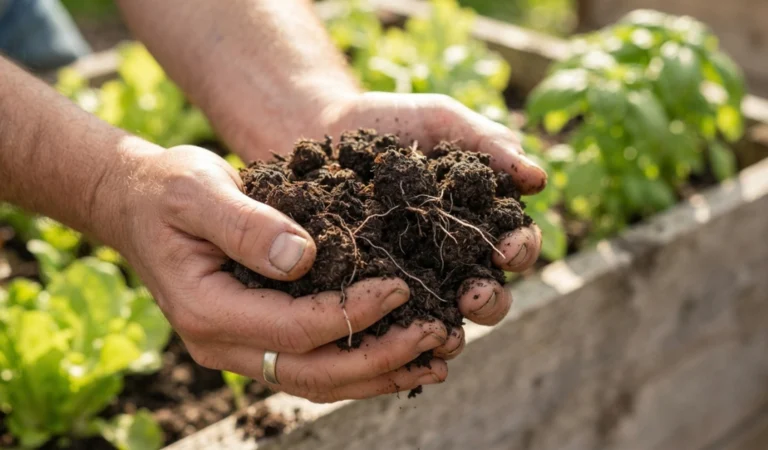
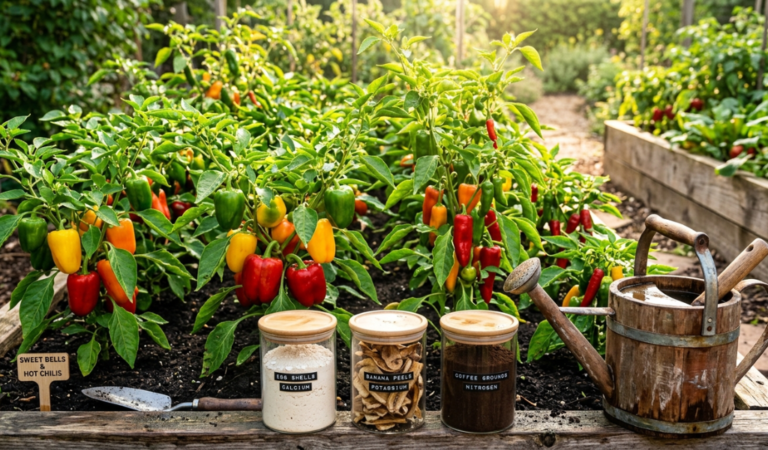
Not every scoop of compost will brew a good batch. You want well-aged, finished compost that smells earthy, almost like a forest floor, not sour or like ammonia. That sour smell usually signals the compost pile went anaerobic at some point, which means it may harbor pathogens rather than beneficial microbes. Vermicompost, or worm castings, is another excellent choice, and many experienced gardeners consider it the gold standard for compost tea because the worms have already broken down the organic matter into a form that’s easily absorbed by plant roots.
If you’re building beds for Growing Tomatoes in Raised Beds, using compost from your own bin that includes vegetable scraps, coffee grounds, and shredded leaves tends to produce a well-rounded microbial mix.
Step-by-Step: How to Make Compost Tea at Home
Here is the full compost tea recipe broken into simple steps anyone can follow, even on their first attempt.
Step 1: Fill Your Bucket With Water
Fill your 5 gallon bucket about three-quarters full with unchlorinated water. If you’re using tap water, remember to let it sit for a day or two first, or aerate it briefly to remove the chlorine before adding anything else.
Step 2: Add Your Compost
Scoop two to four cups of finished compost or worm castings into your mesh bag, old pillowcase, or a large tea bag designed for this purpose, then tie it off and drop it into the water. Using a bag instead of dumping loose compost material into the bucket makes straining much easier later and keeps your sprayer from clogging.
Step 3: Add the Microbe Food
Stir in a tablespoon or two of unsulfured molasses, which gives the microbes a quick sugar source to fuel rapid reproduction. Some gardeners also add a splash of fish hydrolysate at this stage for an extra nitrogen boost, which is particularly helpful for leafy crops and heavy feeders.
Step 4: Aerate the Mixture
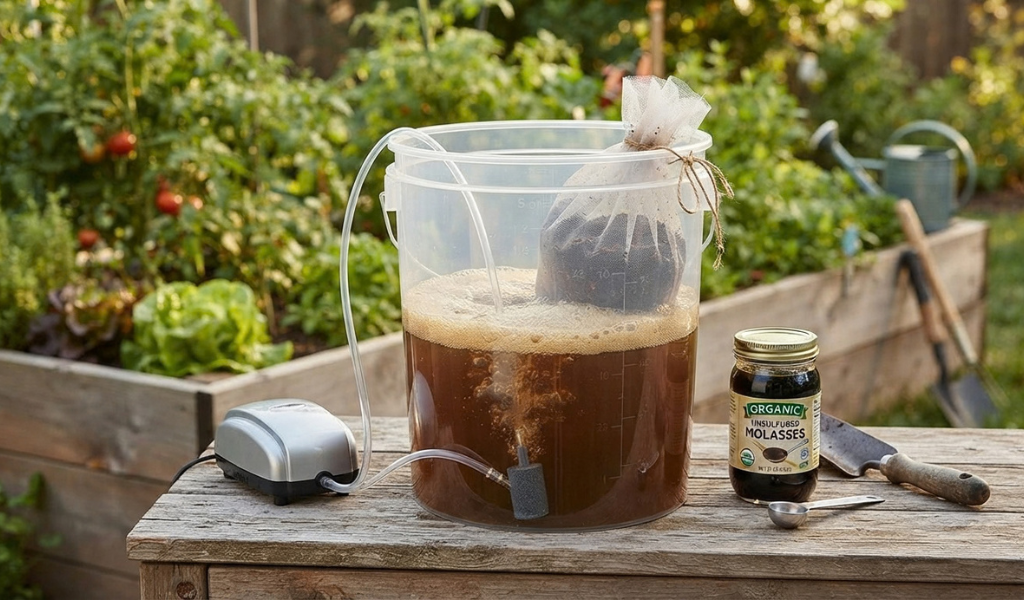
Submerge your air stone in the bucket and turn on the air pump. This step is what separates true aerated compost tea from a simple compost leachate, since the constant oxygen supply is what allows beneficial microbes to multiply rather than the harmful, oxygen-hating types that cause disease.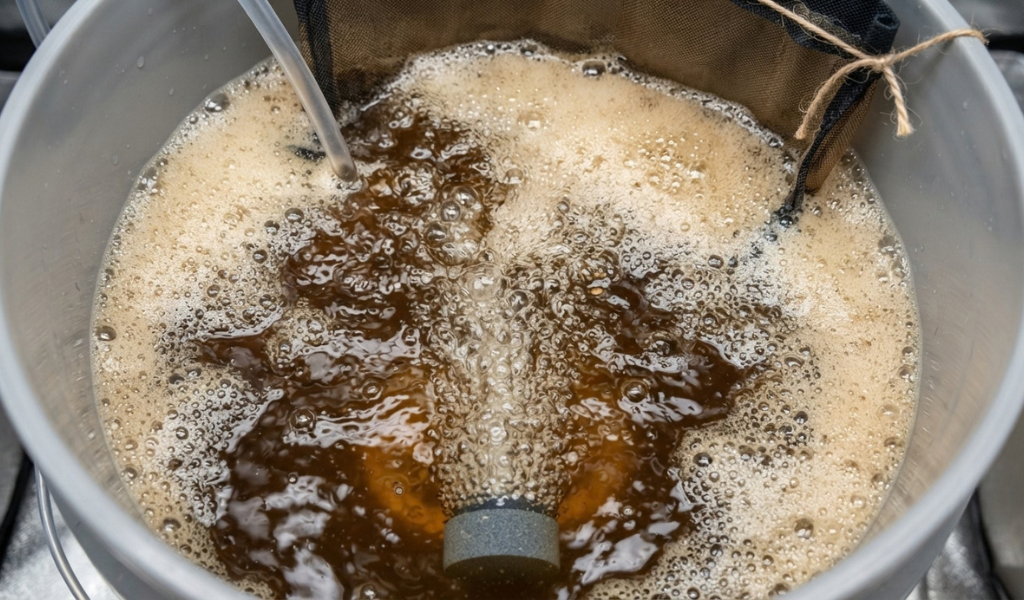
Step 5: Let It Brew
Let the mixture ferment and steep for 24 to 48 hours, stirring occasionally and keeping the pump running the entire time without interruption. You’ll start noticing a foamy layer building up on the surface, which is actually a great sign that your microbes are active.
Step 6: Strain and Use It Immediately
Once brewing is done, remove the mesh bag, squeeze out any remaining liquid, and use the tea as soon as possible. Compost tea doesn’t store well since the beneficial microbes begin dying off once the oxygen supply stops, so plan to apply compost tea within four to six hours of finishing your batch.
How to Know When Your Compost Tea Is Ready
How to Make Compost Tea at Home starts with knowing when your brew is ready to use. Good compost tea should smell earthy and slightly sweet, like fresh soil after rain. If your compost tea smells rotten, like sewage, or has an unpleasant odor, the batch may have turned anaerobic and could contain harmful microorganisms. Discard it rather than risk applying it to your plants. The color can range from light brown to deep tea-like brown, depending on the compost used. When learning How to Make Compost Tea at Home, remember that a pleasant, earthy smell is a useful indicator of a healthy brew, although it cannot guarantee that the tea is free from pathogens.
The Best Way to Apply Compost Tea to Your Garden
After checking your compost tea, you can apply it to your garden using two common methods. Understanding these techniques is an important part of How to Make Compost Tea at Home and using your homemade brew effectively.
Soil Drench
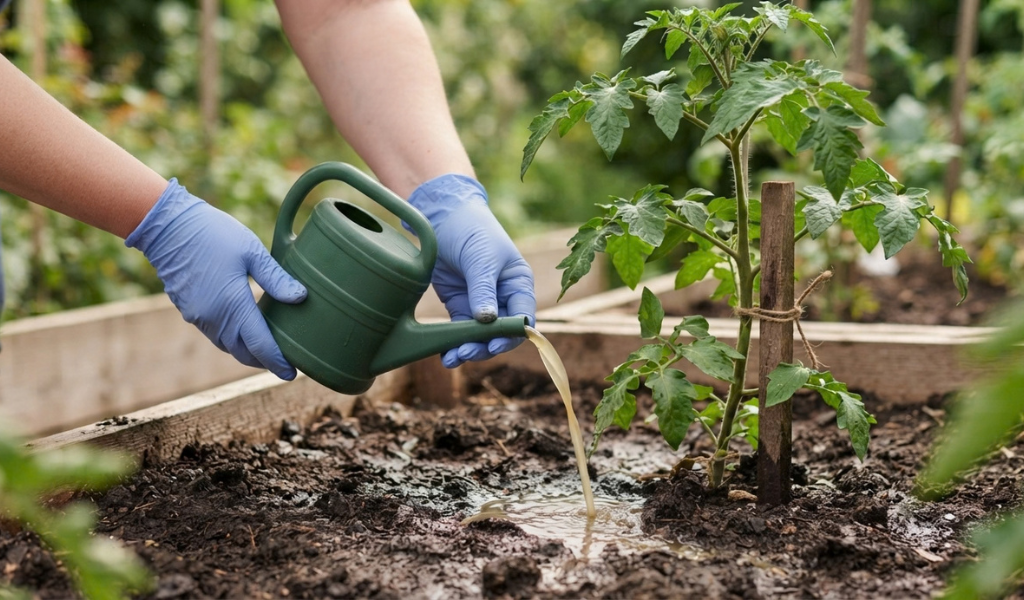
For a soil drench, dilute compost tea with water at approximately a one-to-one ratio, unless your recipe recommends otherwise. Pour it around the base of your plants so it reaches the root zone. This method works well for vegetable beds, container gardens, and Growing Tomatoes in Raised Beds. When practicing How to Make Compost Tea at Home, applying the tea to moist soil can help distribute it around the roots.
 Foliar Spray
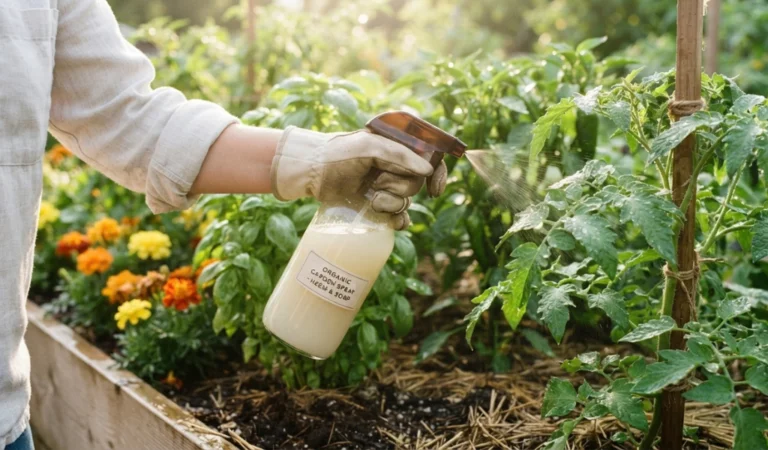
For a foliar spray, dilute the compost tea further, using approximately one part tea to four parts water as a starting point. Apply it to the leaves with a clean sprayer. Some gardeners use foliar compost tea to introduce beneficial microbes to leaf surfaces, although its ability to prevent fungal diseases is not guaranteed. As you explore How to Make Compost Tea at Home, remember to use clean equipment and test the mixture on a small area first.
Early morning or evening is generally preferable for spraying, helping leaves dry without intense midday sunlight. How to Make Compost Tea at Home also means applying fresh tea promptly and avoiding use on edible leaves close to harvest unless its safety is established.
Common Mistakes That Ruin a Perfectly Good Batch
The most common mistake in compost tea brewing is skipping proper aeration or using a pump that’s too weak for a full 5 gallon bucket.
- Without strong, continuous airflow, the batch turns anaerobic, and instead of multiplying beneficial microbes, you end up brewing the kind that can harm plants.
- Using chlorinated tap water straight from the faucet is another frequent error, since chlorine kills the very microorganisms you’re trying to grow.
- Letting the tea sit too long is a problem too.
- Brewing beyond 48 hours can cause the microbial population to crash and the batch to sour, so timing really does matter.
Finally, using compost tea days after brewing instead of applying it fresh wastes most of its benefit, since the beneficial microbes need oxygen to survive and start dying quickly once removed from the pump.
How Often Should You Brew and Apply Compost Tea
Most home gardeners find success applying compost tea every two to three weeks throughout the growing season. Plants that are stressed, recovering from pests, or producing fruit, like tomatoes, peppers, and squash, can benefit from more frequent applications, sometimes weekly, until they recover. For gardeners following Growing Tomatoes in Raised Beds, a biweekly soil drench combined with an occasional foliar spray during flowering and fruiting can support healthy plant growth. Patio Vegetable Garden Ideas, including container gardens and vertical planters, can also benefit from smaller, regular doses because limited soil volume needs consistent care. Applying compost tea properly helps maintain healthy soil and gives plants a gentle microbial boost throughout the growing season.
Final Thoughts
Learning how to make compost tea at home isn’t complicated once you understand the basic principles behind it. Good compost, clean water, a sugar source for the microbes, and steady aeration are really all it takes to brew a batch that can transform your garden. Whether you’re managing a few containers as part of Small Space Vegetable Gardening or investing serious effort into Growing Tomatoes in Raised Beds, compost tea offers a low-cost, chemical-free way to boost plant growth and improve overall soil health. Start with a small batch, pay attention to the smell and results, and adjust your compost tea recipe as you get more comfortable with the process. Your plants, and your wallet, will both notice the difference.
Frequently Asked Questions
What not to put in compost tea?
Avoid adding meat, dairy, oily foods, diseased plant material, or pet waste to your compost material before brewing, since these can introduce pathogens like salmonella into your tea. Also skip chlorinated tap water unless you’ve let it sit first.
How long should you let compost tea sit?
Most aerated compost tea recipes call for a brewing time of 24 to 48 hours with continuous aeration. Brewing longer than that risks a microbial crash and a sour-smelling batch.
What is compost tea good for?
Compost tea introduces beneficial microbes and nutrients to the soil, improving plant growth, boosting disease resistance, and enhancing how efficiently plants and soil exchange nutrients and moisture.
What is a good recipe for compost tea in a 5-gallon pail?
Fill a 5 gallon bucket three-quarters with unchlorinated water, add two to four cups of finished compost or worm castings in a mesh bag, stir in a tablespoon of molasses, then aerate with an air pump for 24 to 48 hours before straining and using.
What should you not put in compost tea?
Steer clear of synthetic chemicals, treated wood ash, diseased plant matter, and any compost that smells sour or like ammonia, since that usually signals harmful bacteria rather than beneficial ones.
How long should you let compost tea brew?
The ideal brewing window is 24 to 48 hours with steady aeration. Shorter brews may not fully multiply the microbial population, while longer brews can cause the batch to spoil.
How do you apply compost tea to plants?
You can apply compost tea as a soil drench around the base of plants, diluted roughly one-to-one with water, or as a foliar spray on leaves, diluted about one part tea to four parts water, ideally in the early morning or evening.