Patio Vegetable Garden Ideas: Create Your Own Edible Garden in Pots
Patio Vegetable Garden Ideas: Easy Ways to Grow Fresh Vegetables
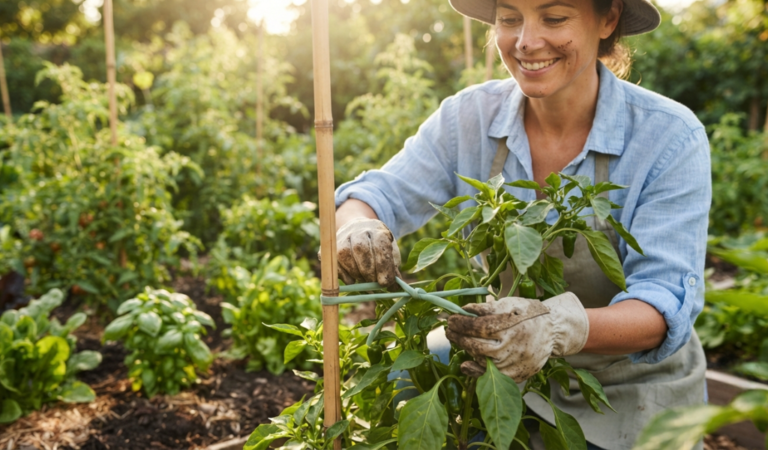
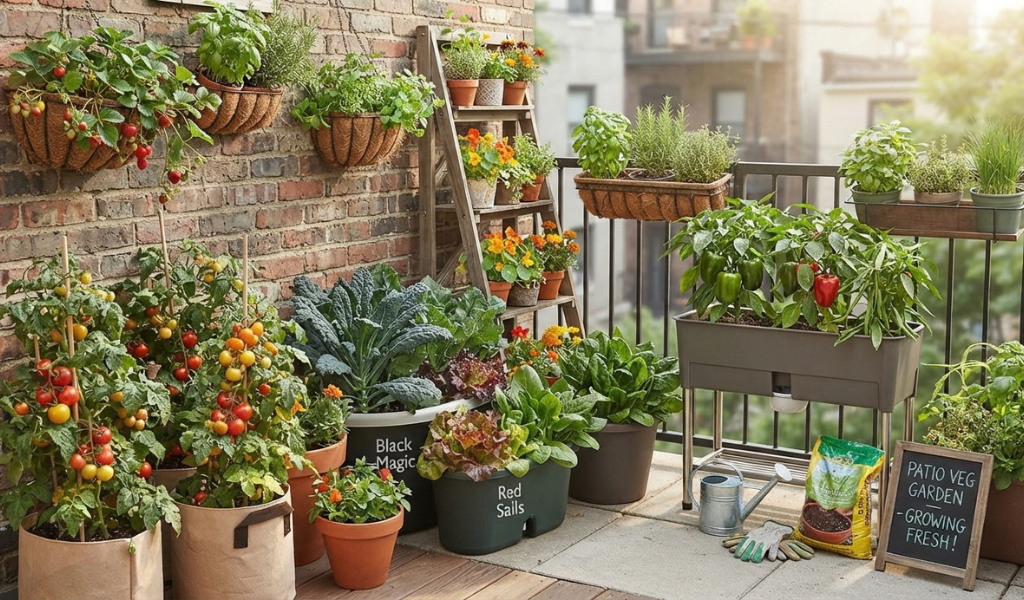
Patio Vegetable Garden Ideas are a simple way to transform an empty patio, balcony, or small outdoor space into a productive vegetable garden. You don’t need a backyard, expensive gardening tools, or years of experience to get started. With a few suitable pots, quality potting mix, enough sunlight, and regular care, you can enjoy fresh, homegrown vegetables right outside your door. These Patio Vegetable Garden Ideas make small-space vegetable gardening easier and more enjoyable, even for beginners. Imagine picking ripe tomatoes, fresh peppers, and crisp leafy greens from your own patio instead of buying everything at the grocery store. Growing your own vegetables not only makes fresh produce more accessible but also brings a rewarding touch of nature into your everyday life.
Whether you have a spacious patio or just a small apartment balcony, the right patio vegetable garden layout can help you make the most of every available inch. From choosing the best containers and preparing healthy soil to understanding sunlight requirements and selecting vegetables that thrive in pots, a little planning goes a long way. In this guide, you’ll find practical Patio Vegetable Garden Ideas to help you create a beautiful, space-saving garden that fits your lifestyle. Get ready to turn that unused patio corner into a thriving vegetable garden filled with fresh flavors, healthy plants, and satisfying homegrown harvests.
Why Patio Vegetable Garden Ideas Work So Well for Small Spaces
There is something rewarding about watching a bare concrete patio transform into a productive food garden within a single growing season. Patio Vegetable Garden Ideas make it possible to grow fresh vegetables, herbs, and even compact fruiting plants without needing a traditional backyard garden. With the right containers, sunlight, and growing medium, even a limited patio or balcony can become a productive growing space. Unlike traditional in-ground gardens, a container vegetable garden gives you greater control over plant placement, soil quality, watering, and overall growing conditions. Pots can be moved to follow the sunlight, while tender plants can be relocated indoors when temperatures suddenly drop. This flexibility is one reason small space vegetable gardening has become increasingly popular among renters, homeowners with limited outdoor areas, and anyone who wants to create a Vegetable Backyard Garden without spending hours maintaining a large garden. Another advantage of Patio Vegetable Garden Ideas is their beginner-friendly nature. Containers make it easier to adjust watering, replace poor soil, manage individual plants, and correct problems before they spread. With thoughtful planning, even a small patio can provide a surprisingly productive Vegetable Backyard Garden and harvest throughout the season.
How Much Sun Your Patio Vegetable Garden Ideas Actually Need
Sunlight is one of the most important factors determining whether your patio garden thrives or struggles. Most fruiting vegetables, including tomatoes, peppers, and cucumbers, need six to eight hours of direct sunlight each day to grow vigorously and produce a good harvest. Leafy greens such as lettuce, spinach, and kale are more tolerant of lower light and can often grow with four to six hours of sunlight, particularly in hot climates where some afternoon shade can protect plants from excessive heat. Before choosing containers or planting vegetables, take some time to observe your patio throughout the day. Identify which areas receive strong morning sunlight, which remain bright into the afternoon, and which spots receive very little direct light. This simple observation can help you position containers more effectively and make your Patio Vegetable Garden Ideas more productive.
If your patio receives limited sunlight, you do not have to abandon your Patio Vegetable Garden Ideas. Radishes and many leafy greens can tolerate partial shade and still provide a worthwhile harvest. With careful plant selection and smart container placement, even a less sunny patio can become a productive and enjoyable vegetable-growing space.
Soil Matters More Than You Think
A lot of new gardeners assume soil is soil, so they scoop some from the ground and dump it into a pot. This is one of the fastest ways to sabotage your container garden before it even gets started.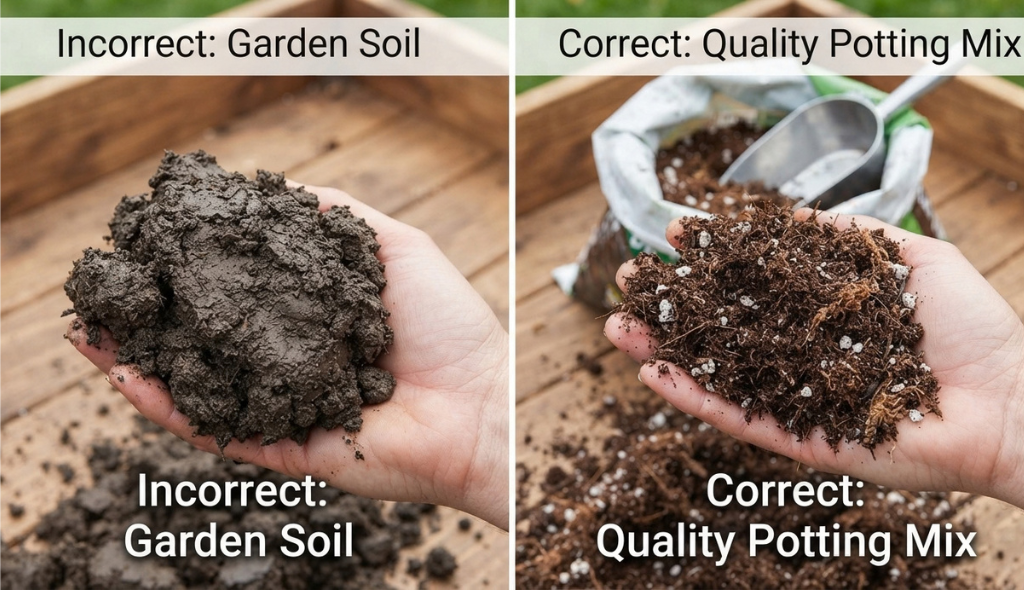 Garden soil is dense and compacts quickly in containers, which suffocates roots and leads to poor drainage.
Instead, always use a quality potting mix designed specifically for containers, since it’s formulated to stay light and airy. A good potting soil typically includes ingredients like peat or coconut coir, perlite, and sometimes vermiculite or sphagnum moss to help retain moisture while still draining well. Mixing in some compost adds slow-release nutrients that feed your plants naturally over the growing season.
This is one of the details that separates a mediocre patio garden from one that actually produces armfuls of vegetables. Any experienced horticulturist will tell you that healthy roots come from healthy soil, and container plants depend entirely on what you give them since they can’t stretch out and search for nutrients the way in-ground gardens can. If your Patio Vegetable Garden Ideas aren’t producing the way you hoped, soil quality is usually the first thing worth checking.
Choosing the Right Pot, Planter, and Container Garden Setup
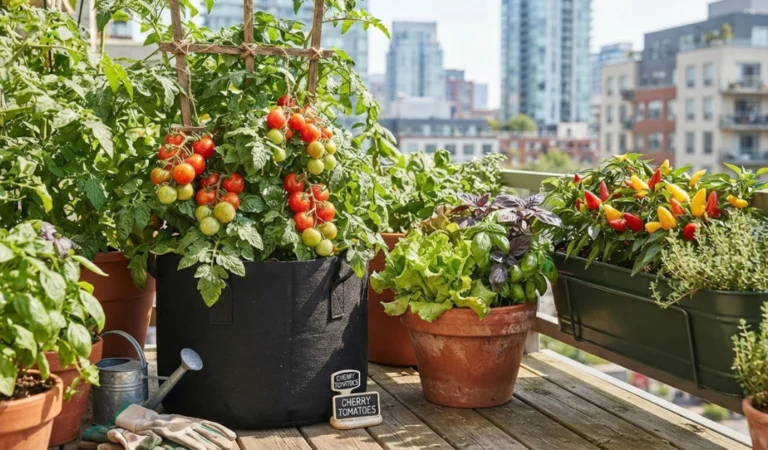
Picking containers might seem simple, but pot size and material genuinely affect how well your plants grow. A tomato plant needs a container at least 12 inches deep and wide, ideally larger, since cramped roots lead to stunted, stressed plants. Peppers and bush beans can get by with slightly smaller pots, while herbs are happy in containers as small as six inches across. Fabric grow bags have become a favorite for container vegetable garden setups because they allow excess water to drain freely and prevent roots from circling the bottom of the pot. Terracotta planters look beautiful but dry out faster, so they require more frequent watering, especially in summer heat. Whatever you choose, make sure there’s a drainage hole in the bottom of every single container. Without proper drainage holes, water pools at the bottom of the pot and roots begin to rot within days. Window boxes are another great option if your patio space is extremely limited, letting you grow multiple herbs or compact greens along a railing or ledge. When shopping at your local garden center, don’t be afraid to ask staff about pot sizes and materials that work best for the specific vegetables you want to grow. Not every vegetable is suited to container growing, but many varieties thrive in pots and make excellent choices for a small patio vegetable garden. Choosing compact, productive plants is one of the most important parts of creating practical Patio Vegetable Garden Ideas that make the most of limited space.
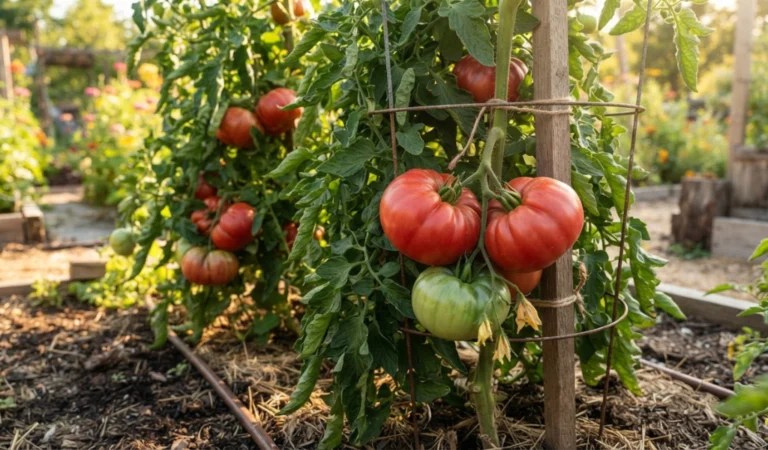
Cherry and grape tomatoes are among the most popular choices because compact tomato varieties are well suited to containers. With adequate sunlight, regular watering, and proper support, they can produce an impressive harvest without requiring a large garden bed. Peppers, including both sweet and hot varieties, also perform exceptionally well in containers and can continue producing fruit throughout the growing season. Leafy greens such as lettuce, spinach, and kale are particularly suitable for beginners. They grow relatively quickly, require little space, and can often be harvested gradually instead of all at once. This makes them an excellent option for a small Patio Vegetable Garden Ideas Layout, especially when you want a steady supply of fresh greens.
Bush beans are another practical choice for container gardeners. Unlike pole beans, they generally do not require a tall trellis and can remain relatively compact while still producing a useful harvest. Radishes are ideal when you want quick results, as many varieties can be ready to harvest in less than a month.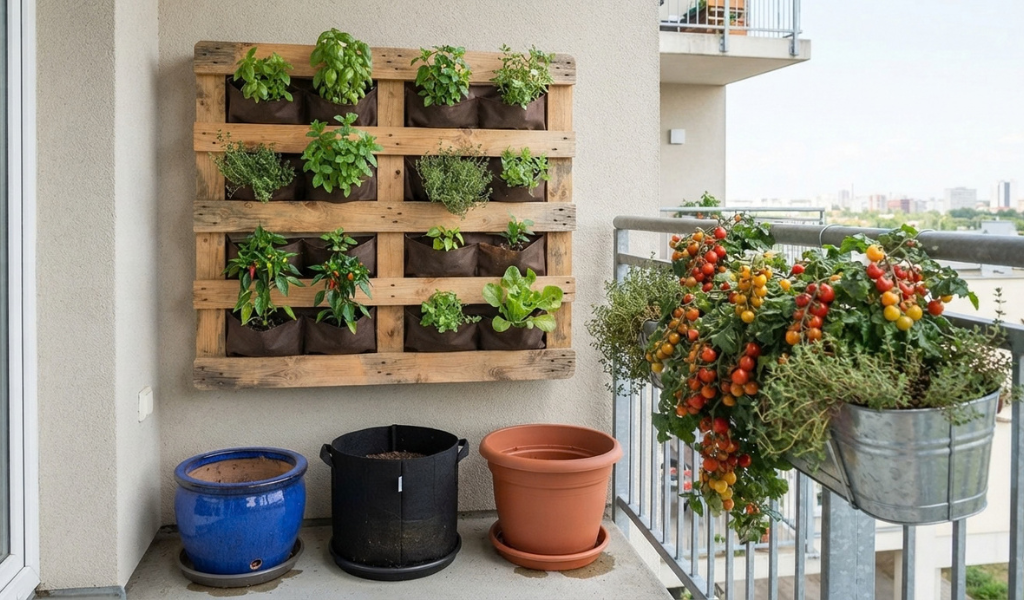
Herbs and Quick-Growing Additions
Herbs deserve a place in almost every small patio garden because they require very little space while providing a continuous supply of fresh flavor. Basil, chives, mint, and rosemary can grow successfully in small pots, window boxes, or hanging baskets along a patio railing.
If you are new to gardening or short on time, consider starting with healthy transplants rather than seeds. Transplants give your Patio Vegetable Garden Ideas a head start and can make it easier to establish a productive container garden with less waiting and fewer early-stage growing challenges.
Patio Vegetable Garden Design Ideas That Actually Look Good
There’s no rule saying a food garden has to look purely functional, and some of the best vegetable backyard garden design ideas combine beauty with productivity. A thoughtfully designed patio can provide fresh vegetables while also creating a space that feels inviting and visually appealing. Mixing vegetables with flowers creates a balanced layout that feels intentional rather than random. Edible flowers such as nasturtiums and pansies can add vibrant color while providing an attractive addition to salads. Grouping pots in odd numbers, such as three or five, often creates a more natural and balanced appearance than arranging them in perfectly even rows. A trellis placed against a wall can support climbing crops like cucumbers while adding vertical interest to a flat patio.
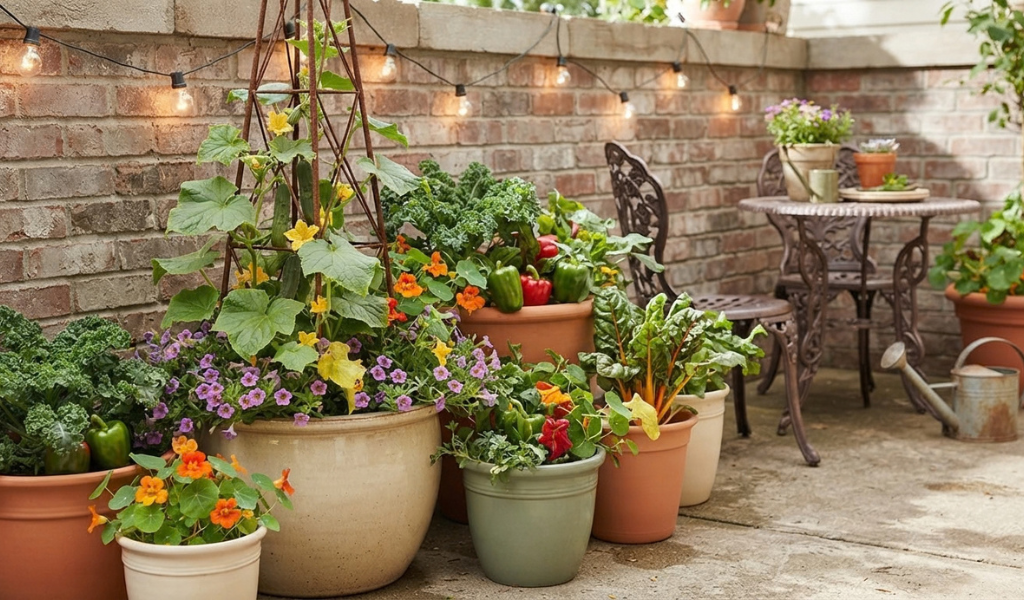 Hanging baskets filled with trailing herbs or strawberries are another practical way to maximize vertical space when floor room is limited. String lights can also add warmth and turn a simple garden area into a relaxing evening retreat. Good design does not require a large budget. Repurposed or secondhand pots, especially when painted in complementary colors, can create a cohesive and attractive patio vegetable garden.
Watering Your Container Plants Without the Guesswork
Watering container plants is genuinely different from watering an in-ground garden, and it trips up a lot of beginners. Pots dry out much faster than garden beds, sometimes needing water once or even twice a day during peak summer heat. The simplest test is sticking a finger about an inch into the soil.
If it feels dry, it’s time to water. If it still feels damp, hold off for a bit longer. Self-watering planters have become incredibly popular among busy patio gardeners since they hold a reserve of water that plants can draw from as needed. A drip irrigation system on a timer is another reliable option if you travel often or simply forget to check your plants daily. Always water at the base of the plant rather than overhead, since wet leaves are more prone to fungal issues. Consistent watering habits make an enormous difference in how well your Patio Vegetable Garden Ideas perform over the course of a season.
Fertilize Smart to Keep Your Food Garden Productive
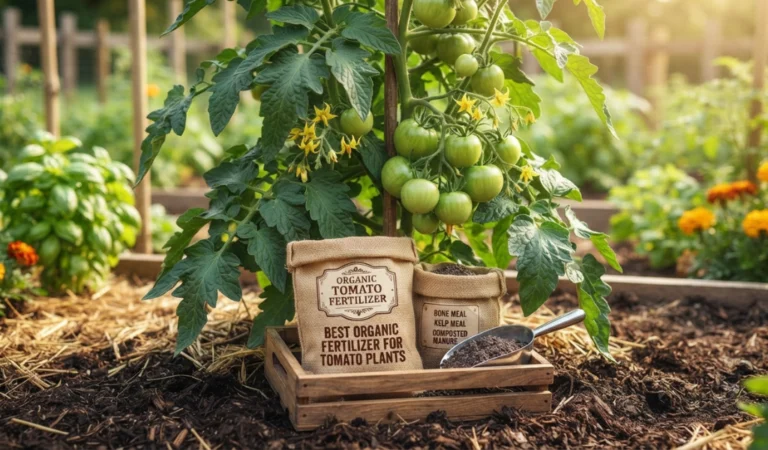
Container plants use up nutrients in the soil much faster than plants growing in the ground, which means regular fertilizing isn’t optional if you want strong yields. An organic fertilizer applied every two to three weeks keeps tomatoes, peppers, and leafy greens fed without overwhelming them with synthetic chemicals. Slow-release granular fertilizers mixed into the potting soil at planting time provide a steady baseline of nutrition throughout the season. Liquid fertilizers work well as a supplement, especially once plants start flowering and setting fruit, since they need extra phosphorus and potassium at that stage. Skipping fertilizer is one of the most common reasons a patio garden stalls out halfway through summer, with plants that look healthy but just stop producing. If you notice yellowing leaves or slow growth despite good sunlight and watering, it’s usually a sign your container garden needs a feeding.
Growing Edibles Beyond the Usual Vegetables
Once you’ve got the basics down, it’s worth branching out into some less common edibles that still do surprisingly well in pots. Artichoke plants, for instance, make a striking addition to a patio thanks to their large silvery leaves, and while they need a bigger container, they’re absolutely doable in a home setting. Malabar spinach is another underrated option, especially for hot climates where regular spinach tends to bolt quickly in the heat. This vining green thrives in containers and can even be trained up a small trellis, giving you both food and visual interest. Growing edibles like these adds variety to your harvest and keeps things interesting if you’ve already mastered tomatoes and peppers. Strawberries in hanging baskets are another fun edible that many people overlook when planning their container vegetable garden.
Handling Pests in Your Edible Garden
Even a well planned patio garden isn’t completely immune to pests. Aphids and spider mites are common culprits, especially during warm, dry stretches of summer. A simple neem oil spray applied every week or two usually keeps most pest populations under control without resorting to harsh chemicals. Checking the undersides of leaves every few days helps you catch problems early, before an infestation gets out of hand. Companion planting can also help naturally, since marigolds planted near tomatoes and peppers tend to deter certain pests while adding a nice pop of color to the space. Good air circulation matters too, so avoid crowding pots too closely together, since tight spacing can trap moisture and encourage both pests and fungal disease.
Final Thoughts
At the end of the day, Patio Vegetable Garden Ideas are not about creating a perfect setup or having unlimited space. They are about making the most of what you have and enjoying the process of growing fresh food at home. With the right combination of sunlight, quality soil, suitable containers, and consistent care, even a small patio can become a productive garden. Start with a few easy-to-grow vegetables, pay attention to watering and sunlight, and gradually experiment with different plants and edible varieties. With patience and regular care, your patio vegetable garden can become a rewarding source of fresh, homegrown produce. And there is truly nothing quite like harvesting your first homegrown tomato.
Frequently Asked Questions
How many hours of sunlight do vegetables in pots really need?
Most fruiting vegetables like tomatoes and peppers need six to eight hours of direct sun, while leafy greens can often manage with less sun, around four hours a day.
Can I use regular garden soil in my containers?
It’s better to avoid soil from the ground since it compacts in pots and drains poorly. A quality potting mix formulated for containers works much better.
What are the easiest vegetables for beginners trying patio vegetable garden ideas?
Cherry tomatoes, bush beans, lettuce, and radishes are all beginner friendly since they’re forgiving, fast growing, and well suited to pots.
How often should I water my container vegetable garden?
It depends on pot material and weather, but checking the soil an inch down and watering when it feels dry is a reliable approach, sometimes daily in hot weather.
Do I need to fertilize container plants more than in-ground gardens?
Yes, container plants use up nutrients faster since the soil volume is limited, so fertilizing every couple of weeks with an organic fertilizer is usually necessary.
What size pot do I need for tomatoes or peppers?
A container at least 12 inches deep with a drainage hole in the bottom is generally enough for most tomato and pepper varieties.
Can a small patio actually support a full food garden?
Yes, with vertical growing, hanging baskets, and window boxes, even a small patio space can support a surprising variety of vegetables, herbs, and edible flowers.