Best Fertilizer for Peppers: A Complete Guide to Bigger Harvests
Best Fertilizer for Peppers: Wet vs. Dry, NPK Ratios, and Growing Tips
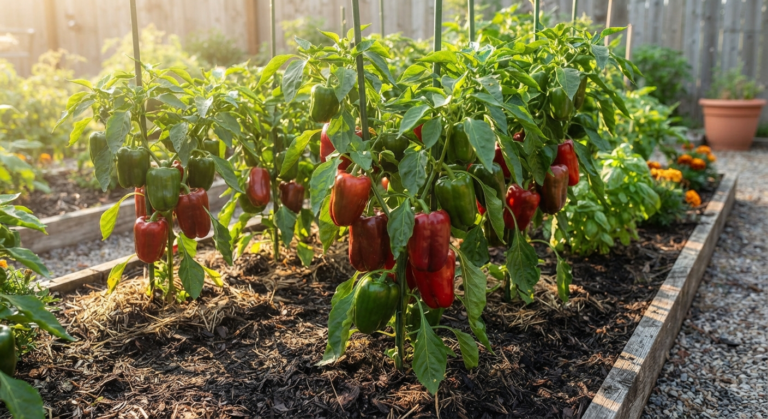
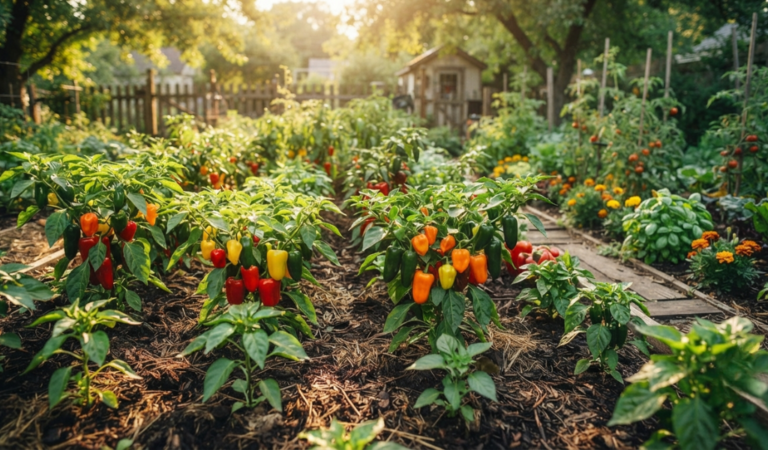
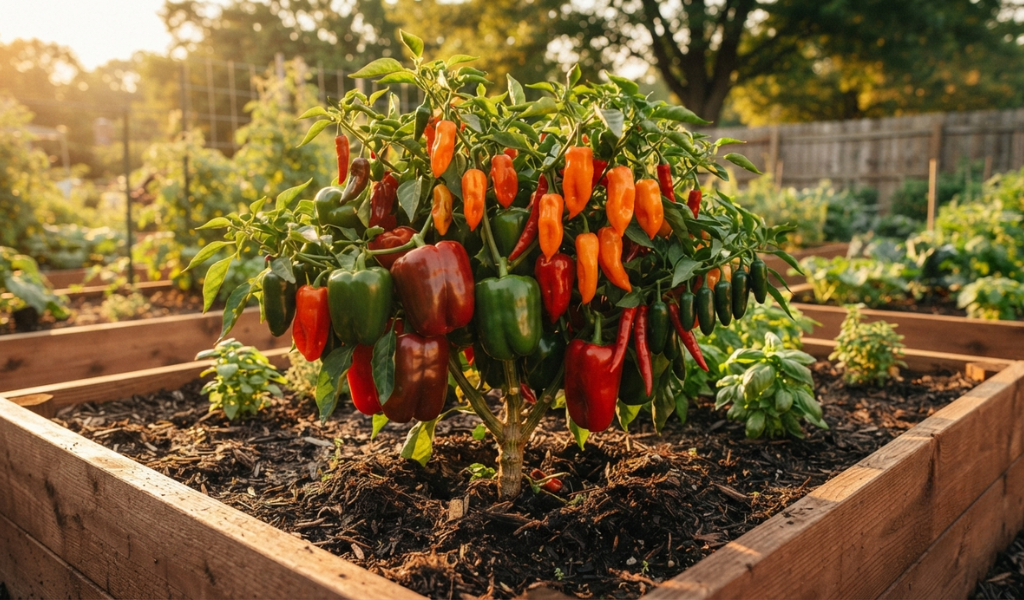
Growing peppers is deeply satisfying until the plants stall, drop flowers, or produce small, flavorless fruit. Nine times out of ten, the culprit is nutrition. Choosing the best fertilizer for peppers is one of the most impactful decisions you’ll make as a gardener, whether you’re growing sweet bell peppers on a patio or fiery hot peppers in a backyard garden.
This guide covers everything you need to know: the nutrients peppers actually need at each growth stage, how liquid and granular fertilizers compare, how to apply them correctly, harvest peppers and how to avoid the most common fertilizing mistakes. By the end, you’ll have a clear, practical plan for feeding your pepper plants from seedling to final harvest.
Why Pepper Plants Have Unique Nutrient Needs
Peppers are heavy feeders, but they are also sensitive. Push too much nitrogen and you get a lush, leafy plant with almost no fruit. Skimp on phosphorus and potassium and the flowers drop before they can set. The challenge with pepper fertilization is not simply adding more it is adding the right nutrients at the right time.
Peppers also go through distinct growth phases, and their plant needs shift considerably between each one. During early vegetative growth, they want nitrogen to build strong stems and leaves. Once flowering begins, the emphasis moves toward phosphorus and potassium to support fruit production. Getting this timing right makes a measurable difference in your final yield.
Soil type plays a role too. Peppers grown in sandy potting soil lose nutrients much faster than those in dense garden beds, which is why container-grown peppers often need more frequent fertilization. Before you buy anything, a simple soil test will tell you what your garden is already working with and what you actually need to add.
Essential Nutrients for Healthy Pepper Growth
Every bag of fertilizer lists three numbers on the label. These represent the NPK ratio nitrogen (N), phosphorus (P), and potassium (K) which are the main three nutrients all plants need to grow. For peppers specifically, each plays a critical role.
Nitrogen drives leafy, vegetative growth. It helps the plant build the structure it needs before flowering begins. Too little and the leaves turn yellow. Too much, especially late in the season, and the plant puts all its energy into leaves instead of fruit.
Phosphorus is the key to strong roots and a successful fruit set. It helps flowers develop and encourages the plant to convert those flowers into peppers. Bone meal and fish bone meal are popular organic sources of phosphorus that many gardeners swear by.
Potassium (sometimes called potash) strengthens cell walls, improves disease resistance, and supports the overall quality of the fruit. It also helps regulate how the plant uses water, which matters during hot, dry spells.
Beyond these, peppers benefit from several micronutrients. Calcium prevents blossom end rot. Sulfur supports enzyme function. Magnesium sulfate (commonly sold as Epsom salt) is widely used by gardeners to correct magnesium deficiency, which shows up as yellowing between the leaf veins. A small amount of Epsom salt dissolved in water and applied as a foliar spray can turn things around quickly.
How Fertilizer Affects Flowering and Fruit Production
Fertilizer Grades and Contents
When you look at a fertilizer label, the guaranteed analysis tells you exactly what you are getting. A balanced fertilizer like 5-5-5 delivers equal parts nitrogen, phosphorus, and potassium useful during early growth when the plant is still developing. A formula like 4-1-4 or similar low-phosphorus, higher-potassium blend is more appropriate once fruit is set and the plant is in full production mode.
Commercial fertilizers vary widely in their composition. Some include added micronutrients like calcium, sulfur, or magnesium. Others are purely synthetic with no organic matter. Organic options like chicken manure or compost release nutrients slowly and also improve soil structure over time, which is a bonus for long-season pepper growing.
What Do These Nutrients Do?
Think of nitrogen, phosphorus, and potassium as working in sequence rather than simultaneously. Early on, nitrogen lays the foundation. Then phosphorus signals the plant to shift into reproductive mode. Potassium maintains the quality and vigor of the plant as it carries fruit through to harvest.
Without enough phosphorus at the right time, flowers will abort before they can become peppers. Without adequate potassium during fruiting, the peppers themselves will be smaller, softer, and less flavorful. This is why it is worth adjusting your fertilizer for your pepper plants as the season progresses rather than sticking to one formula from start to finish.
How to Fertilize Peppers
Start fertilizing after transplanting, once the plant has settled into the soil for about a week. This gives the roots time to recover from transplant stress before being asked to process nutrients.
During vegetative growth, apply a nitrogen-rich formula every two weeks. Once you see the first flower buds forming, switch to a fertilizer higher in phosphorus and potassium. Continue feeding through the growing season, tapering off slightly toward the last harvest as the plant naturally begins to slow down.
Frequency
How often you fertilize depends on the type of fertilizer you are using and your growing conditions. Liquid fertilizer typically needs to be applied every one to two weeks. Granular, slow-release formulas may only need one application per month. Container peppers need more frequent feeding than garden peppers because nutrients wash out with every watering.
Nutrient Burn and Flushing
Over-fertilize pepper plants and you will see the signs quickly: brown leaf tips, curling edges, and stunted growth. This is nutrient burn, and it happens when the concentration of fertilizer salts in the soil becomes too high. If you spot these symptoms, flush the soil thoroughly with plain water to dilute and wash out the excess. With container-grown peppers, this is as simple as watering until water runs freely from the drainage holes for several minutes.
Soil pH
Even the best fertilizer for your pepper plants will underperform if the soil pH is off. Peppers grow best in a slightly acidic soil with a pH between 6.0 and 6.8. Outside that range, nutrients become chemically unavailable to the plant even if they are present in the soil. If your pH is too high, sulfur-based amendments can bring it down. If it is too low, garden lime will raise it. Always test before making amendments.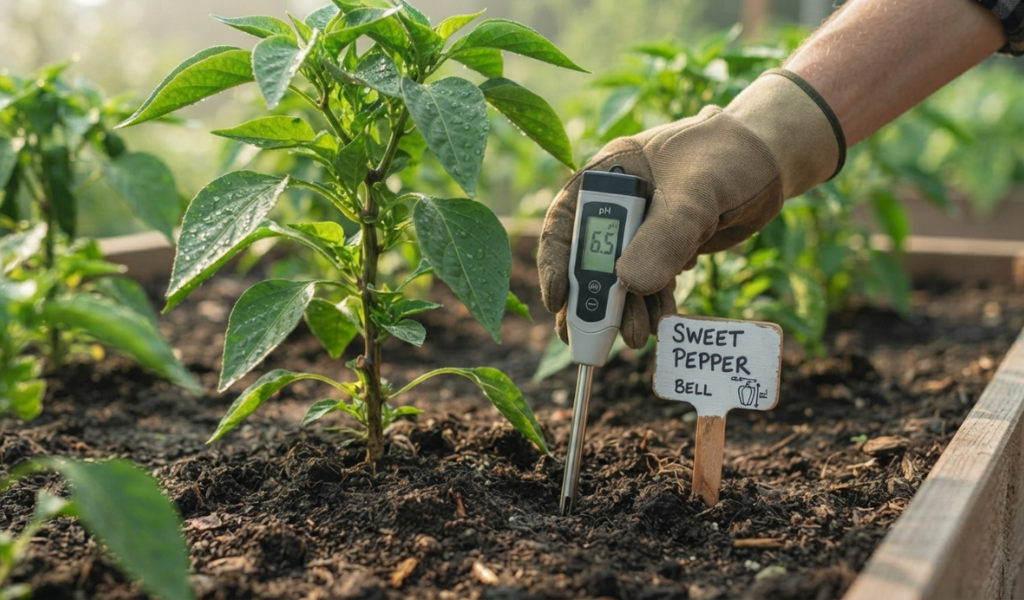
Wet vs. Dry Fertilizer for Peppers: What’s the Difference?
What Is Liquid (Wet) Fertilizer?
Liquid fertilizer comes either pre-mixed or as a concentrate that you dilute with water before applying. It can be applied directly to the soil or as a foliar spray to the leaves. Because it is already in a water-soluble form, plants can absorb it almost immediately. This makes liquid fertilizer the go-to choice when plants show signs of deficiency and you need to act fast.
What Is Dry (Granular) Fertilizer?
Granular fertilizer is a dry, solid product that you scatter on the soil surface or mix into the top layer. Water breaks the granules down over time, slowly releasing nutrients into the root zone. Some granular products are coated to release even more gradually, providing steady nutrition over several weeks or months.
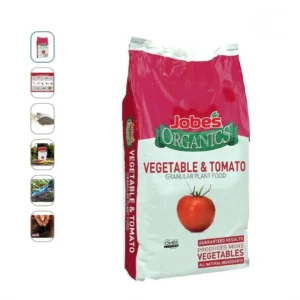 If you prefer a ready-made granular fertilizer for vegetables, Jobe’s Organics Vegetable & Tomato Granular Plant Food is an option to consider. Its organic granular formula is designed for vegetable gardens and can provide a convenient alternative to preparing fertilizer from individual ingredients.
Key Differences Between Wet and Dry Fertilizers
The biggest difference comes down to speed versus longevity. Liquid fertilizer acts fast but requires frequent reapplication. Granular fertilizer feeds slowly and steadily, reducing how often you need to fertilize. Liquid is more precise and easier to adjust; granular is more forgiving and lower maintenance. Cost also differs — liquid concentrates can work out cheaper per application, while granular products often offer better value when bought in bulk for a larger garden.
Benefits and Drawbacks of Wet Fertilizer
Advantages of Liquid Fertilizer for Fast Growth
Liquid fertilizer is absorbed rapidly, which makes it ideal for giving pepper seedlings a boost after transplanting or correcting a deficiency mid-season. Foliar application delivers nutrients directly through the leaves, bypassing the soil entirely. This is especially useful in hydroponics setups where soil pH management is more controlled. Liquid formulas are also easier to customize, allowing you to fine-tune the NPK ratio for different growth stages.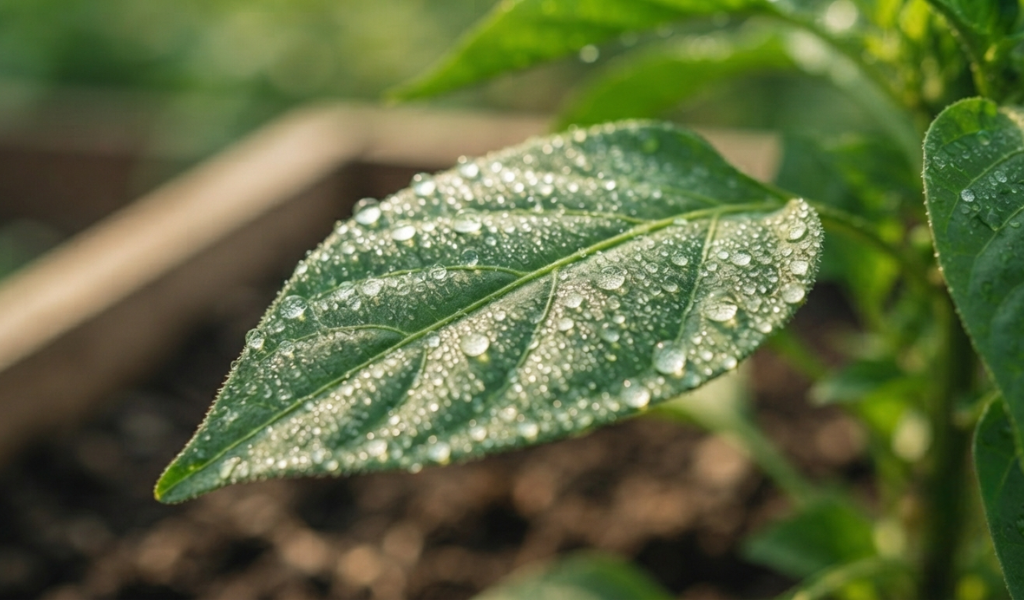
Common Mistakes When Using Liquid Fertilizers
Applying liquid fertilizer to dry soil is one of the most common errors. Without adequate soil moisture, the concentrated solution can burn roots. Always water the plant first, then apply the fertilizer. Another mistake is applying foliar sprays in direct sun or during the hottest part of the day, which can scorch leaves. Early morning is the best time for foliar application, as it allows the solution to absorb before temperatures climb.
Pros and Cons of Dry Fertilizer
Why Granular Fertilizer Provides Long-Lasting Nutrition
Granular fertilizer releases nutrients gradually, which reduces the risk of nutrient burn and means you do not have to fertilize as often. For gardeners managing multiple raised beds or a large garden plot, this convenience is significant. Organic granular products like bone meal, fish bone meal, or chicken manure also add organic matter to the soil, improving its structure and supporting beneficial microbial activity over time.
When Dry Fertilizer Is the Better Choice for Pepper Plants
Granular fertilizer is particularly well-suited to in-ground garden peppers where slow, consistent feeding supports a long growing season. It also works well when applied at the beginning of the season as a soil amendment before transplanting. If you are growing peppers alongside companion plants in a mixed bed, granular fertilizer creates a lower-maintenance feeding routine that benefits the whole bed without constant attention.
Choosing the Best Fertilizer for Peppers at Different Growth Stages
Fertilizing Pepper Seedlings
Young pepper seedlings are delicate. Their root systems are small and cannot handle heavy fertilizer doses. At this stage, a diluted liquid fertilizer at half strength is the safest approach. Look for a balanced option like 5-5-5 or a mild starter formula. Begin fertilizing about two weeks after germination, once the first true leaves have appeared.
Best Fertilizer During Vegetative Growth
Once transplanted into the garden or a larger container, pepper plants enter a period of rapid vegetative growth. This is when nitrogen becomes most important. A fertilizer with a higher nitrogen value relative to phosphorus and potassium, such as 10-5-5, supports strong leaf and stem development. Apply every two weeks, and keep an eye on the plant’s color. Deep green leaves are a sign that nitrogen levels are adequate.
Fertilizer for Flowering and Fruiting Pepper Plants
When the first flower buds appear, it is time to shift focus. Reduce nitrogen and increase phosphorus and potassium. A formula like 5-10-10 or a dedicated bloom fertilizer encourages the plant to direct its energy toward fruit production rather than leaf growth. At this stage, too much nitrogen is actively counterproductive; it can cause flowers to drop before they set fruit.
Once fruit is set and peppers begin to develop, potassium takes center stage. It supports fruit size, color development, and overall quality. Continue feeding through the growing season, right up until the last harvest of the year.
How to Apply Wet and Dry Fertilizer Correctly
Step-by-Step Guide for Applying Liquid Fertilizer
- Water the soil thoroughly before applying any liquid fertilizer.
- Mix the concentrate according to label instructions and never exceed the recommended fertilizer rates.
- Pour the solution around the base of the plant, avoiding direct contact with the stem.
- If applying as a foliar spray, do so in the early morning and cover both sides of the leaves.
- Repeat every one to two weeks, adjusting the formula based on the plant’s current growth stage.
Proper Way to Apply Granular Fertilizer
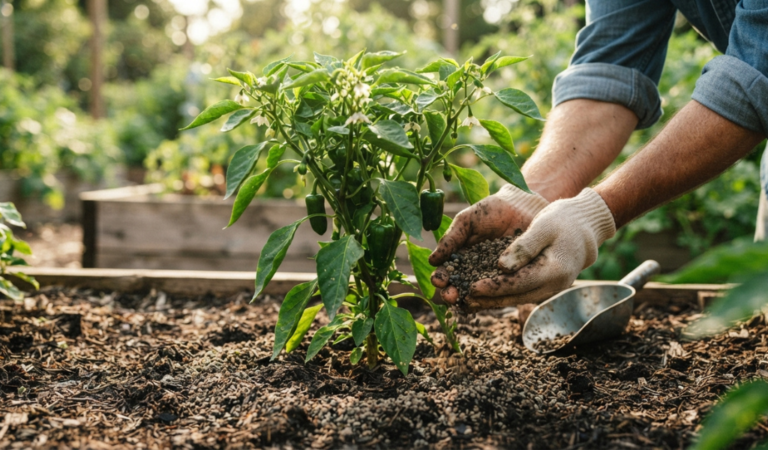
- Scatter granules evenly around the base of the plant, keeping them a few inches away from the stem to avoid burn.
- Lightly work the granules into the top inch of soil with a hand fork or rake.
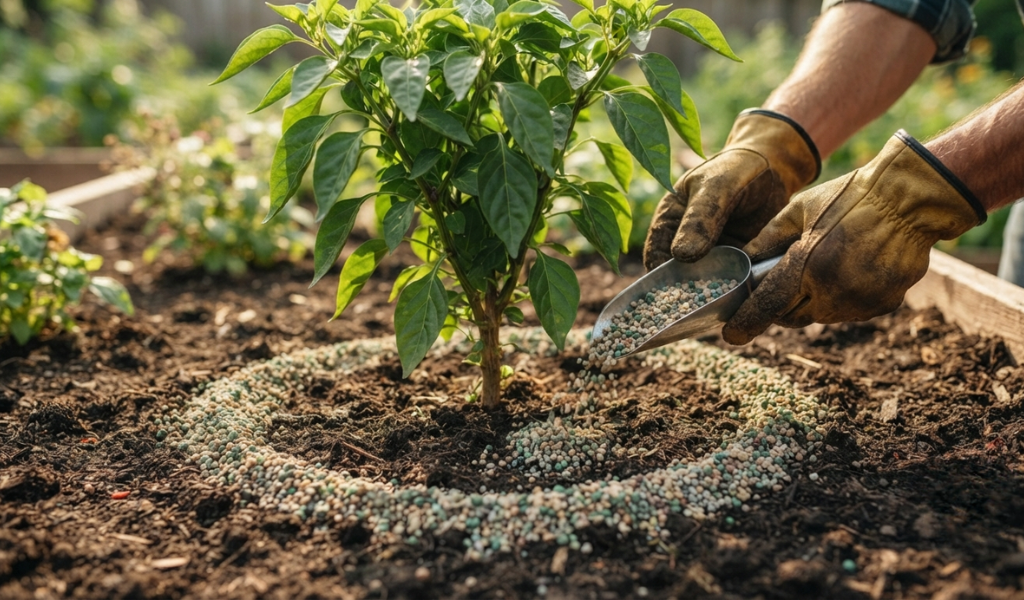
- Water thoroughly after application to begin activating the fertilizer.
- Reapply according to the product’s recommended schedule typically every four to six weeks for slow-release formulas.
How Often Should You Fertilize Pepper Plants?
There is no single answer because it depends on the fertilizer type, the soil, and the stage of growth. As a general rule, liquid fertilizer works best on a biweekly schedule throughout the growing season. Granular fertilizers need less frequent application — once a month is usually sufficient for slow-release products.
Container-grown peppers need more frequent feeding than garden-grown plants because nutrients leach out quickly with regular watering. If your peppers are in pots, plan to fertilize every one to two weeks with a liquid formula. For in-ground plants in good-quality soil, a combination of a slow-release granular amendment at planting and periodic liquid boosts through the season is a reliable approach.
Wet vs. Dry Fertilizer: Which Is Best for Peppers?
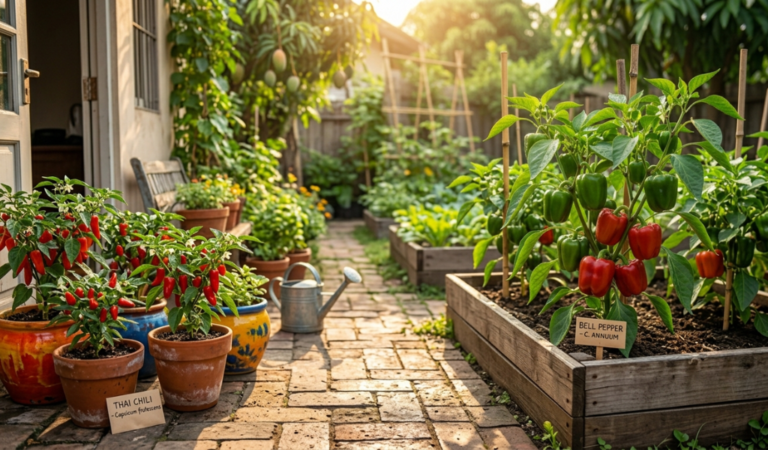
Best Choice for Container-Grown Peppers
Liquid fertilizer wins for container growing. Pots drain freely with every watering, meaning nutrients disappear faster than in garden soil. The precision and speed of liquid fertilizer let you respond quickly to what the plant is showing you, and regular application helps maintain consistent nutrition without relying on slow-release granules that may not have time to break down properly between waterings.
Best Choice for Garden-Grown Peppers
For garden beds, granular fertilizer offers practical advantages. It requires less frequent application, integrates well with organic practices, and improves soil over time when you use compost-based or animal-derived products. That said, adding a liquid supplement during flowering and fruiting is a smart way to give your garden peppers a targeted boost when it matters most.
Final Verdict: When to Use Wet, Dry, or Both Fertilizers
The most productive pepper gardens tend to use both types strategically. Start with a granular fertilizer worked into the soil before transplanting to build a nutritional foundation. Switch to a liquid fertilizer during the growing season for precise, stage-appropriate feeding. Use foliar sprays when you need to address deficiencies quickly.
There is no single best fertilizer for peppers that works perfectly in every situation. The right choice depends on your soil, your growing environment, and how much time you want to spend managing your plants. What matters most is matching the nutrient ratio to the plant’s current stage and staying consistent throughout the season.
If you are just starting out, a balanced liquid fertilizer like a diluted 5-5-5 formula is a safe, versatile choice from seedling through early vegetative growth. Once flowers appear, shift to a lower-nitrogen, higher-potassium option and let the plant do what it was built to do: produce an abundance of fruit.
Frequently Asked Questions
How do you make peppers grow faster?
Consistent fertilization is the fastest path to accelerated pepper production. Use a nitrogen-rich liquid fertilizer during early growth to build a strong plant quickly, then switch to a bloom formula with higher phosphorus and potassium once flowering begins. Adequate sunlight (at least six to eight hours per day), warm soil, and regular watering also play a significant role in how quickly peppers develop.
Is 20-20-20 fertilizer good for peppers?
A 20-20-20 balanced fertilizer works well during the seedling and early vegetative stages when you want steady, even growth. However, it is not ideal once flowering begins because the high nitrogen content can discourage fruit set. At that stage, a lower-nitrogen, higher-potassium formula will serve your pepper plants better.
What is the best fertilizer for tomatoes and peppers?
Tomatoes and peppers have very similar nutrient needs, which makes them easy to feed with the same products. A balanced fertilizer like 5-5-5 or 10-10-10 works well during vegetative growth for both crops. During flowering and fruiting, a formula with reduced nitrogen and elevated potassium benefits both plants. Bone meal and fish bone meal are useful organic amendments for supporting healthy root systems and fruit development in both vegetables.
What is the best fertilizer for peppers?
The best fertilizer for peppers depends on the growth stage. During seedling and vegetative growth, a balanced formula with adequate nitrogen supports strong plant development. Once flowers appear, a bloom-focused fertilizer with higher phosphorus and potassium encourages fruit set. Organic options like bone meal, compost, and fish bone meal are excellent for building long-term soil health, while liquid fertilizers offer the flexibility and speed needed during critical growth windows.
How often should you fertilize pepper plants?
The frequency depends on the fertilizer type. Liquid fertilizers are typically applied every one to two weeks throughout the growing season. Granular slow-release fertilizers need to be reapplied every four to six weeks. Container-grown peppers generally need more frequent feeding than garden peppers because the nutrients flush out more quickly through regular watering.