Tomato Edema in Greenhouse Tomatoes: Signs and Solutions
Tomato Edema: Causes, Symptoms, Treatment, and Prevention
Tomato edema is one of the most misunderstood problems in greenhouse tomatoes and backyard gardens alike. Gardeners often spot small blisters on a leaf and assume a disease or pest has arrived. In most cases, tomato edema is a physiological disorder, which means the plant is reacting to its growing conditions and not to an infection. Water builds up inside leaf tissue faster than the plant can release it, and the cells swell until they burst. The result is a rough, bumpy leaf that looks alarming but is usually manageable.
 Understanding tomato edema helps growers choose the right fix instead of the wrong spray. Many home growers reach for homemade fertilizer for tomatoes when leaves look unhealthy, yet extra feeding will not cure tomato edema because the real trigger is water balance. This guide explains the causes, symptoms, treatment, and prevention of tomato edema in plain language. It also shows how tomato edema compares with other leaf problems, what recovery looks like, and which questions growers ask most often. Whether the plants live in a commercial greenhouse or a small grow tent, the same basic principles apply.
Understanding Tomato Edema
Tomato edema, also spelled oedema, is a physiological disorder that develops when leaf cells take in more water than the plant can release. It is an abiotic-induced complication, which means the cause is the growing environment and not a germ or a bug. Because of that, tomato edema is not contagious and does not spread from one plant to the next. Plants that share the same damp air and wet soil may all show symptoms, which can make it look like an outbreak.
Roots pull water from the root medium, and leaves release it as vapor through transpiration. When transpiration is low, the extra water collects between plant cells in the leaf. Epidermal cells swell, stretch, and finally split, which forms the blisters that define tomato edema. Some growers call the same condition intumescence, and intumescence is simply the buildup of excess water in leaf tissue that leads to this swelling.
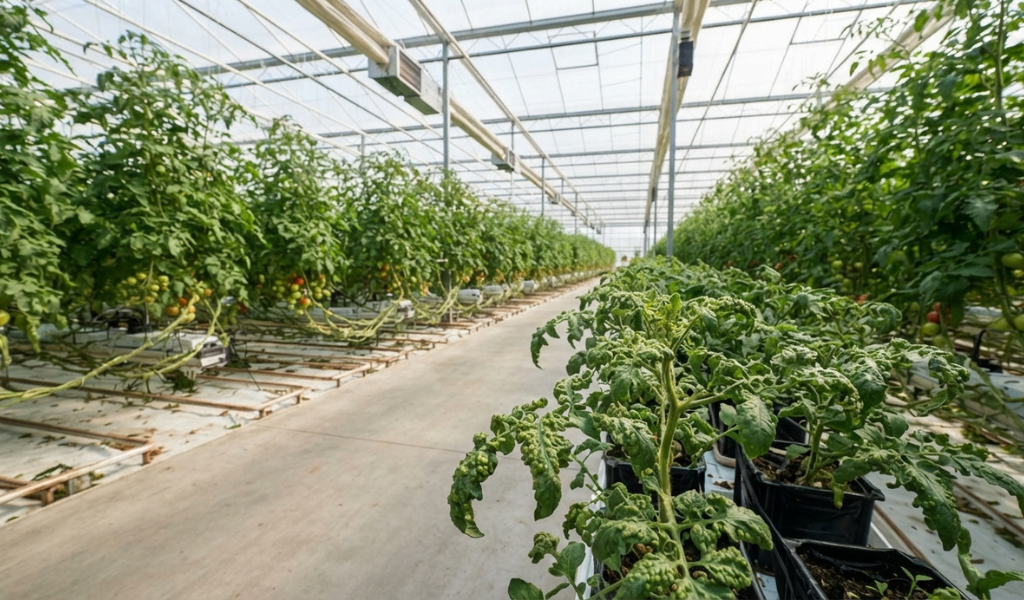
Edema of greenhouse tomatoes is especially common because enclosed spaces trap humidity and often provide low light in winter. Greenhouse tomatoes and kale are two crops that extension specialists mention often when they discuss the problem. Material from cooperative extension programs, including the University of Maryland and the University of Arizona, treats tomato edema as a management issue and not a disease. Other members of the Solanum family, such as peppers and eggplant, can develop similar symptoms.
Early Warning Signs of Edema on Tomato Leaves
Catching tomato edema early gives growers more time to correct the conditions behind it. The first signs are small and easy to miss, so regular leaf checks make a real difference. Older leaves near the bottom of the plant usually show symptoms before new growth does.
Leaf Blisters, Raised Bumps, and Swollen Spots
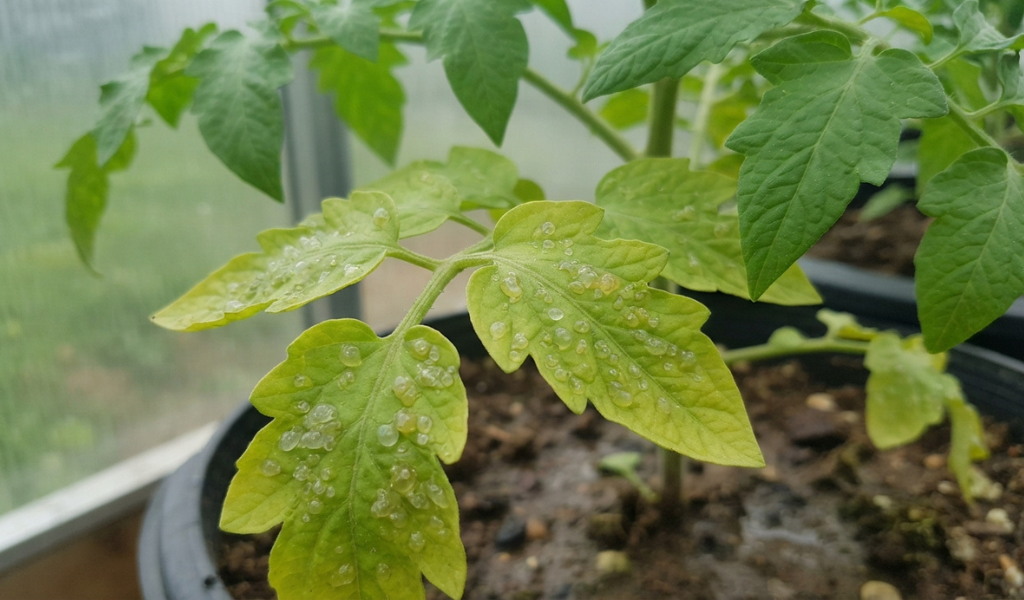
The first sign of tomato edema is often a cluster of tiny blisters on the undersides of leaves. These raised bumps look like small water-filled pimples and may appear pale green, white, or crystal-like. On the upper side, the surrounding tissue is generally chlorotic, which means it turns yellow in patches. Leaves may also curl as the swelling spreads.
Picture a grower who walks a greenhouse row after a week of cloudy weather. The tops of the plants look fine, but the bottom of leaves shows bumpy clusters. That pattern points to tomato edema and not to a pest.
Corky Growth and Changes in Leaf Texture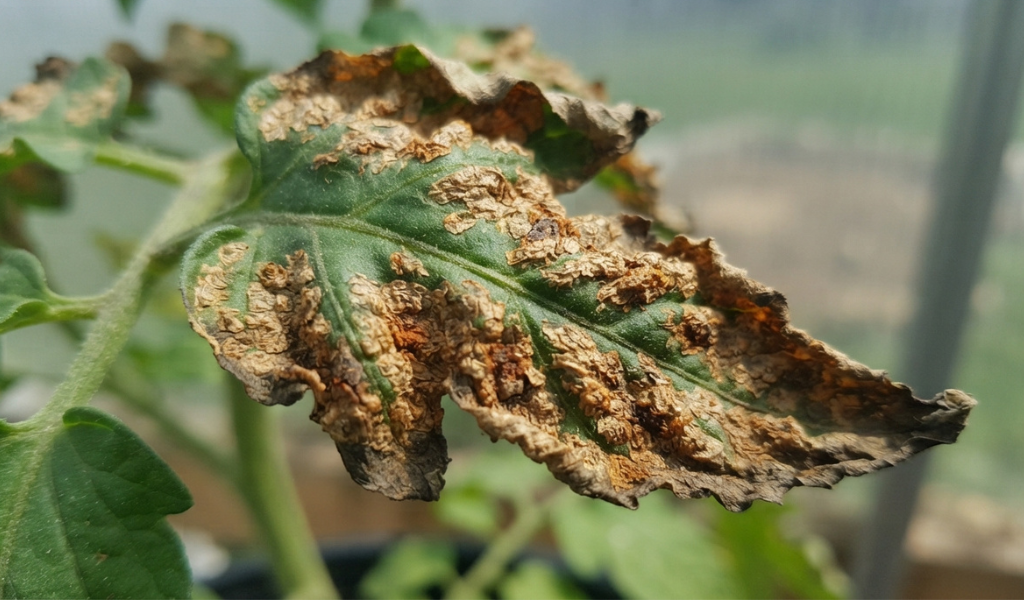
As tomato edema ages, the blisters dry out and turn tan, brown, or rusty. The tissue becomes corky and callus-like, and the leaf feels rough, a bit like fine sandpaper. Stems and leaf stalks can develop the same texture.
Severe cases lead to necrotic spots and leaves falling from the plant. Older leaves being symptomatic first is normal. Heavy damage can still reduce the amount of light the plant captures, so the earlier a grower reacts, the better.
Why Tomato Plants Develop Edema: Major Causes and Risk Factors
Tomato edema rarely has a single cause. It develops at different levels of intensity depending on how several factors combine. Water, air, light, and temperature all play a part, so the cause of edema is usually a mix of small problems that add up.
Excess Water Absorption and Overwatering
Overwatering is the most common starting point for tomato edema. When moisture in the root medium stays high, roots keep pulling in water even when the leaves cannot release it. Heavy clay soil, compacted beds, and pots without drainage holes make this worse. Cool, wet root zones are especially risky because uptake continues while the plant slows down.
Growers who avoid overwatering plants and let the top inch of soil dry between waterings lower their risk. Irrigation management matters as much as the amount of water. A small amount applied at the wrong time can still push a stressed plant over the edge.
High Humidity, Poor Ventilation, and Low Light
High humidity slows transpiration because moist air cannot absorb much more water vapor. Poor ventilation traps that damp air around the leaves. Low light keeps the tiny pores on leaves partly closed. Together these form conditions favorable to low transpiration, which is the perfect setup for tomato edema.
Long stretches of high relative humidity raise the risk even more. Tight spacing and thick canopies hold humid air close to the plant. A winter crop of greenhouse tomatoes under short, gray days is a classic example, since low light conditions and damp air arrive together.
Environmental Conditions That Trigger Tomato Edema
Light quality also plays a role in tomato edema. Studies suggest that light lacking short wavelength energy, such as UV light near 400 nm, may raise a plant’s susceptibility. Polyethylene greenhouse covers can block some of that UV, and certain LED fixtures give off very little of it. Research has found dramatically reduced edema symptoms when light included some short wavelength output. Reports from growers also suggest that older magnetic ballasts paired with MH bulbs sometimes meant fewer problems, and some trials have tested EOD-FR treatments.
Full-spectrum lighting can be a considerably costlier investment, so many growers start with humidity and watering fixes first. Sudden weather swings matter too. Warm soil with cold night air, or a quick change from cloudy days to bright sun, can trigger tomato edema in sensitive plants.
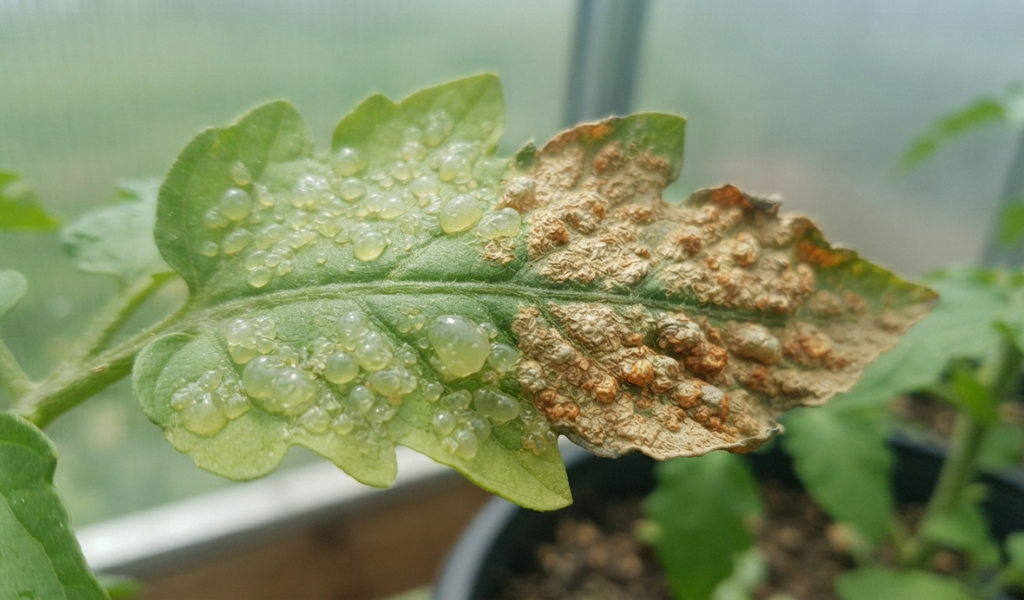
Many leaf problems look similar at first glance, so a careful look saves time and money. Tomato edema forms raised, bumpy patches, mostly on the undersides of leaves. These swollen areas may look rough, corky, or blister-like as affected leaf cells expand and eventually harden. Fungal diseases such as Septoria leaf spot and early blight usually leave flat or sunken spots with dark rings and tan centers. Bacterial spot looks greasy and angular instead of lumpy.
Pest damage has its own clues. Spider mites leave fine webbing and tiny pale dots, while aphids leave sticky residue and curled new growth. A commercial vegetable grower may confuse a pest problem with tomato edema, but a hand lens usually settles it. Checking both sides of the leaves can help identify whether the problem comes from insects, fungal infections, or excess moisture inside the plant. Damping off is another common mix-up, although it attacks seedlings at the soil line and not the leaves.
A simple touch test helps. If the leaf feels rough and corky and the bumps sit on the underside, tomato edema is the likely answer. Another clue is behavior over time. Disease keeps moving to fresh leaves, but tomato edema stops spreading once humidity, light, and watering improve. Unlike infectious leaf diseases, tomato edema does not spread from one plant to another. Adjusting watering frequency, improving airflow, and allowing the growing medium to drain properly can prevent additional damage. Taking time to compare these symptoms helps gardeners avoid unnecessary fungicide treatments and choose the right care approach for healthier tomato plants.
How to Fix Tomato Edema and Restore Healthy Plant Growth
The good news is that tomato edema can be corrected. The goal is to bring water uptake and transpiration back into balance. Start with the root zone, then move on to air and light.
Correcting Watering and Soil Moisture
Check soil moisture before every watering. Push a finger about two inches into the soil, and water only when it feels dry at that depth. Water in the morning so the leaves have a full day to release moisture. Skip evening watering, since wet roots overnight feed tomato edema.
Cut back during cloudy stretches because plants use less water when light is low. Empty saucers under containers, and make sure every pot has drainage holes. A basic moisture meter can remove the guesswork for growers who tend many plants. Light mulch can hold steady moisture without creating a soggy layer.
Improving Drainage, Sunlight, and Airflow
Heavy soil benefits from compost, perlite, or coarse sand to help water move through. Raised beds also drain faster than flat ground. In a greenhouse, open the vents or run horizontal airflow fans to keep air moving around the plants. Better ventilation pulls humid air away from the leaves and supports transpiration.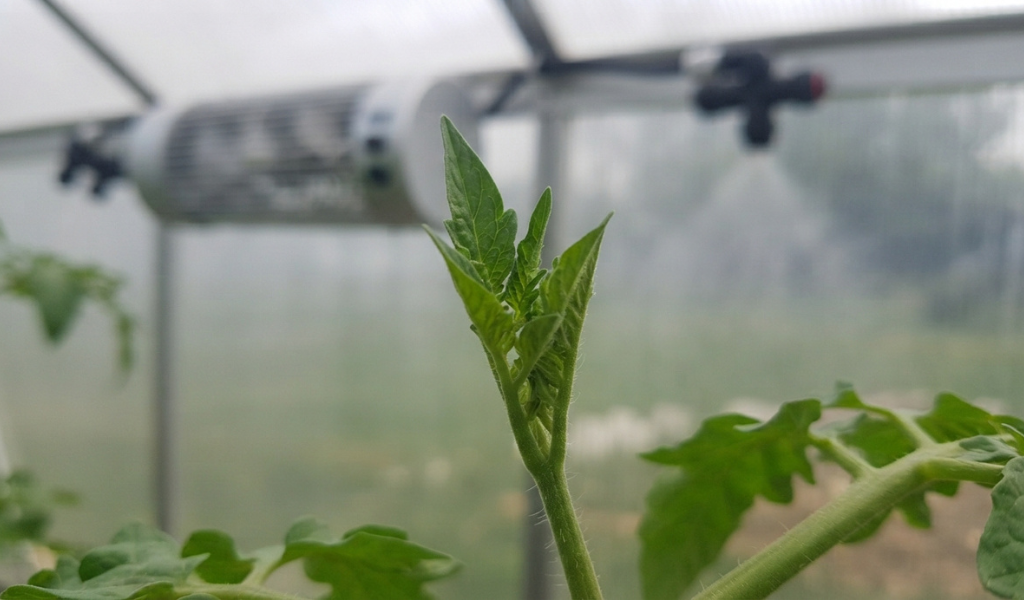
Prune lower leaves and thin dense growth so air can pass through the canopy. Widen spacing when the plants are crowded. Add supplemental grow lights during low light conditions, and wash greenhouse covers so more sun gets through. Remove only the most damaged leaves, and discard them instead of composting them.
Practical Prevention Tips to Keep Tomato Edema Away
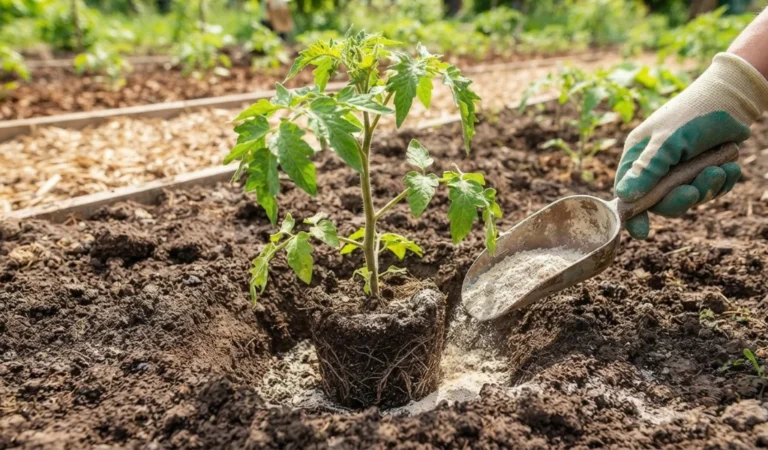
Prevention is far easier than repair, and a few habits go a long way. Begin with a well-draining growing mix and containers with proper holes. Plan plant spacing and ventilation before planting, not after problems appear. Drip irrigation at the base of the plant keeps the root medium evenly moist without wetting the leaves.
Watch the forecast and the humidity. A cheap hygrometer inside the greenhouse shows when moisture is climbing. Reduce watering before a run of cloudy days, and vent warm, damp air in the afternoon. Changing management strategies to better cope with outdoor weather will help prevent edema, and the same approach helps prevent edema in kale.
Feed plants in a balanced way. Too much nitrogen creates soft, lush growth that tears easily, while steady calcium and potassium support stronger cells. A seasonal soil test shows what is missing before any fertilizer goes on. Finally, keep short notes on weather, watering, and symptoms. Over a season, those notes reveal patterns that make tomato edema much easier to predict.
Does Edema Damage Tomato Plants, Leaves, or Fruit?
In mild cases, tomato edema is mostly a cosmetic problem. The blisters and corky patches make leaves look rough, yet the plant can keep growing and fruiting. Damaged leaf tissue does not heal, so scars remain even after conditions improve.
Heavy damage is a different story. When many leaves turn yellow and fall, the plant loses its ability to capture light, and yields can drop. Fruit is not usually affected directly by tomato edema. However, a plant that loses too much foliage may leave fruit exposed to sunscald.
Broken, corky tissue can also give fungi an easy way in, especially in a damp greenhouse. Tomatoes from plants with edema are safe to eat. The main risk is reduced plant vigor, which is why early correction of tomato edema pays off.
Tomato Edema Recovery: What to Expect After Treatment
Recovery from tomato edema takes patience. Once humidity, watering, and light are corrected, new growth typically comes in smooth and healthy within one to two weeks. The old blisters stay, so growers should judge progress by the newest leaves and not by the damaged ones.
Keep monitoring during this period. If new leaves still show bumps, conditions are probably still off, and another look at drainage, airflow, and light is in order. Avoid over-correcting by letting the soil dry out completely, since stress from drought brings its own set of problems.
Remove only badly damaged leaves, and never strip more than about a third of the foliage at one time. Most plants bounce back well and go on to produce a good crop. Steady habits matter more than dramatic changes when managing tomato edema.
Final Thoughts
Tomato edema looks serious, but it is one of the more forgiving problems a grower can face. It signals that the plant holds more water than it can release, usually because of overwatering, high humidity, poor ventilation, or low light. Fixing those conditions is the most reliable way to treat and prevent tomato edema. No spray or special fertilizer can replace good watering and airflow. Take a few minutes this week to check soil moisture, leaf undersides, and greenhouse humidity. A quick inspection now can stop tomato edema before it spreads across a whole crop. Share these tips with fellow growers, and keep a close eye on any plants that look puffy or bumpy.
Frequently Asked Questions
Does plant edema go away?
Yes, the condition itself usually goes away once the growing environment improves. Existing blisters and corky patches do not heal, but new leaves grow in smooth. Tomato edema stops getting worse when watering, humidity, and light are brought back into balance.
What causes wilting leaves on tomato plants?
Wilting has several causes, including overwatering, underwatering, heat stress, root damage, and diseases such as fusarium wilt. Soggy roots can wilt a plant even when the soil is wet. When wilting appears together with leaf bumps, tomato edema and a wet root zone are worth checking first.
What is puffiness in tomatoes?
Puffiness usually describes fruit that feels hollow or airy inside, often from poor pollination or temperature swings during flowering. It is a fruit issue and is separate from tomato edema, which affects leaves and stems. The two can appear on the same plant without being connected.
What are the symptoms of tomato edema?
Common symptoms include small blisters on leaf undersides, raised bumps, yellow patches, and leaf curl. Later the blisters turn tan or brown and feel corky. Severe cases show necrotic spots and leaves falling from the plant.
How can you treat or prevent edema in tomato plants?
Water in the morning, let the top inch of soil dry, and improve drainage. Increase ventilation, lower humidity, and give plants more light. Proper spacing and balanced feeding help prevent tomato edema from returning.
How can you tell tomato edema apart from damping off?
Damping off strikes seedlings, causing thin, collapsed stems at the soil line and often killing the plant quickly. Tomato edema shows up on leaves and stems as bumps or blisters while the plant stays upright. Damping off is a fungal problem, but tomato edema is a physiological disorder.
Should tomato edema be removed?
The disorder cannot be removed, but badly damaged leaves can be trimmed. Light damage can stay on the plant since the leaves still make food. Remove only severely affected leaves, and fix the growing conditions so tomato edema does not return.