Why Are My Tomato Plants Turning Yellow? Causes and Fixes
Why Are My Tomato Plants Turning Yellow? Complete Guide
You walk out to check your garden and there it is, a tomato leaf that was green just days ago now fading to yellow. It is one of the most common questions tomato growers ask that why are my tomato plants and tomato leaf turning yellow?, and the honest answer is that yellow leaves can point to several different problems, from watering habits to disease to something as simple as normal aging.
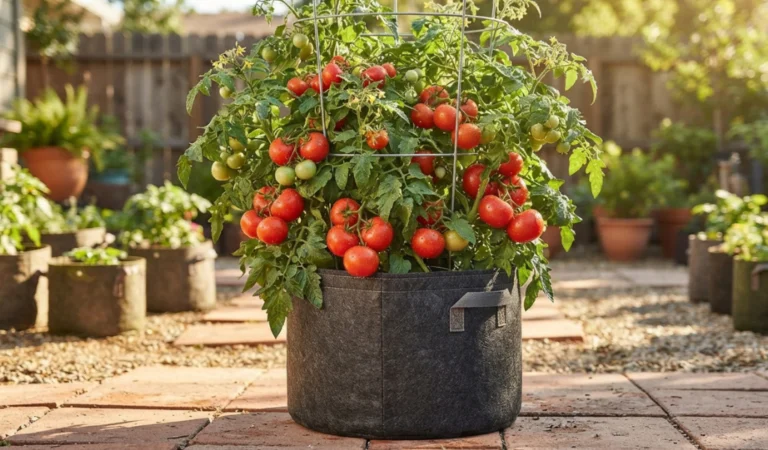
This guide is written for anyone practicing Small Space Vegetable Gardening as much as anyone with a big backyard plot, since Tomato Seeds grown in containers and raised beds face many of the same yellowing issues, sometimes even more intensely because of limited soil volume and drainage. If your tomato plant leaves are turning yellow, working through the causes below in order will help you figure out exactly what is going on and how to fix it before it affects your tomato harvest.
We will cover watering problems, nutrient deficiencies, common tomato diseases, pests, environmental stress, and plain old leaf aging, then walk through the steps to bring your plant back to healthy green growth.
Common Causes of Yellow Tomato Leaves
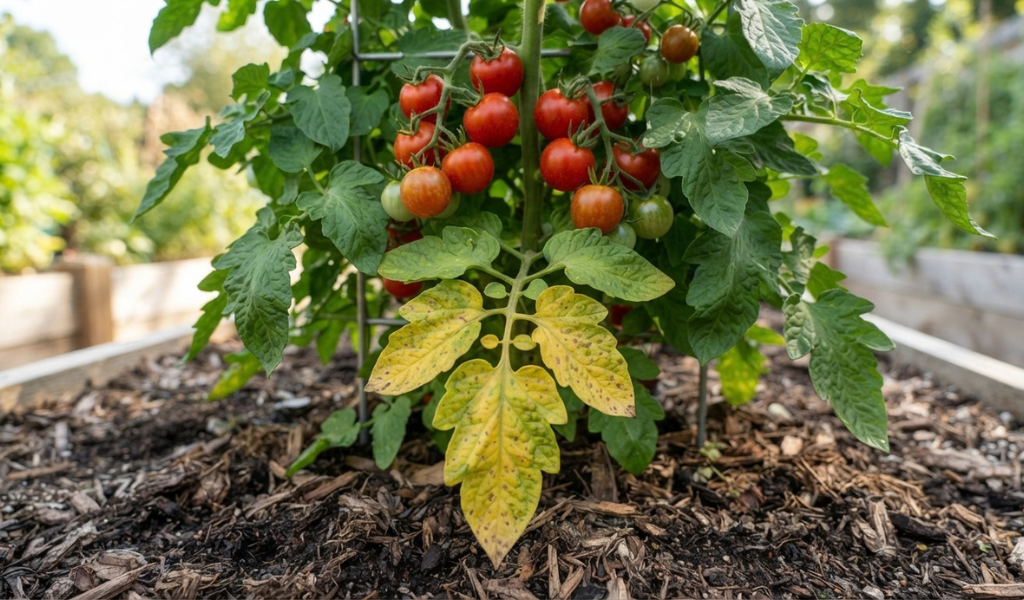
Before diving into specifics, it helps to understand that yellowing leaves are basically your tomato plant’s way of signaling a problem, whether that problem is too much water, too little water, a missing nutrient, disease, pests, or simply old leaves reaching the end of their life. The pattern of the yellowing gives you the biggest clue. Leaves that yellow starting at the bottom of the plant point to different causes than leaves yellowing at the top of the plant. Spots on the leaves suggest disease, while uniform yellowing across the whole leaf often points to water or nutrient issues.
Taking a few minutes to really look at where on the plant the yellowing is happening, what the yellow leaves look like up close, and how quickly it is spreading will save you a lot of guesswork as you work through the causes below.
Overwatering and Poor Drainage
Too much water is one of the most common cause of yellow tomato leaves, especially in containers or raised beds where drainage is not always as good as it should be. When roots sit in soggy soil, they cannot get the oxygen they need, and this stress shows up as yellowing, usually starting with the lower leaves first. In more severe cases, the plant may also wilt even though the soil is wet, which confuses a lot of new gardeners who assume wilting always means the plant needs water.
Check your soil before watering rather than sticking to a fixed schedule. Stick a finger a couple inches into the soil, and if it still feels damp, hold off. Make sure containers and raised beds have proper drainage holes, since water that has nowhere to go will sit around the roots and cause exactly this kind of stress.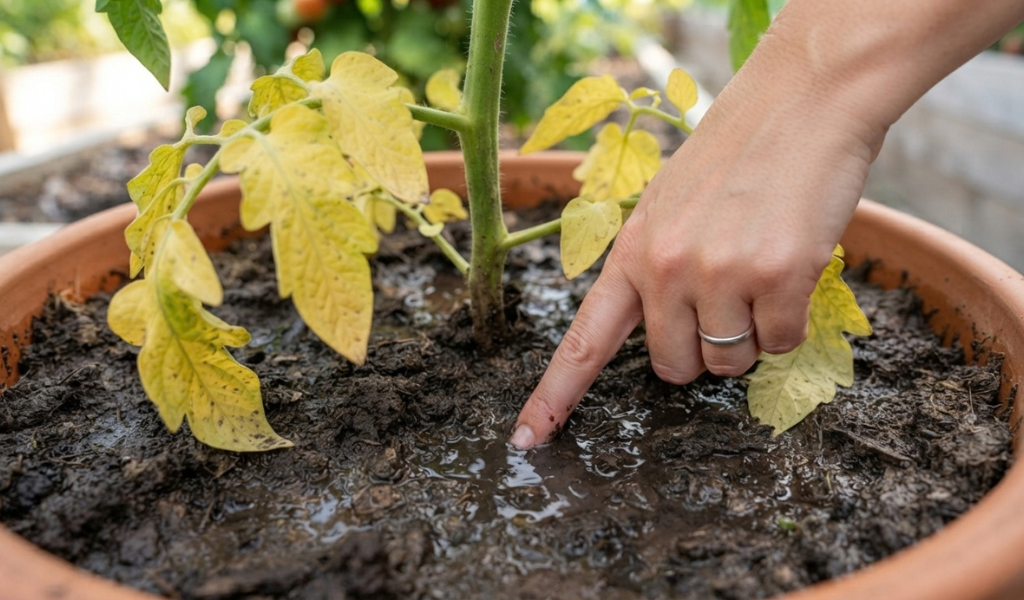
If you notice yellowing along with a heavy, waterlogged soil, cutting back on watering frequency is usually the first fix to try.
Underwatering and Moisture Stress
On the flip side, not enough water also cause tomato leaves to turn yellow, often paired with a wilted, droopy look even during cooler parts of the day. Underwatered plants tend to show yellowing on older leaves first as the plant pulls resources away from them to keep the newer growth alive. This is the plant’s way of conserving energy when moisture is scarce.
Tomato plants require consistent watering, especially once they start setting fruit, since irregular moisture also leads to other problems like blossom end rot. Water at the base of the plant rather than overhead, and aim for deep, less frequent watering rather than light daily sprinkles, which encourage shallow roots that dry out fast. A layer of mulch around the base of the plant helps retain moisture and keeps the soil from drying out too quickly between waterings, which is especially useful for small space or container grown tomatoes that dry out faster than in ground plants.
Nutrient Deficiencies
Nutrient deficiencies are a major cause of yellowing leaves, and different missing nutrients tend to show up in different, fairly recognizable patterns on the plant.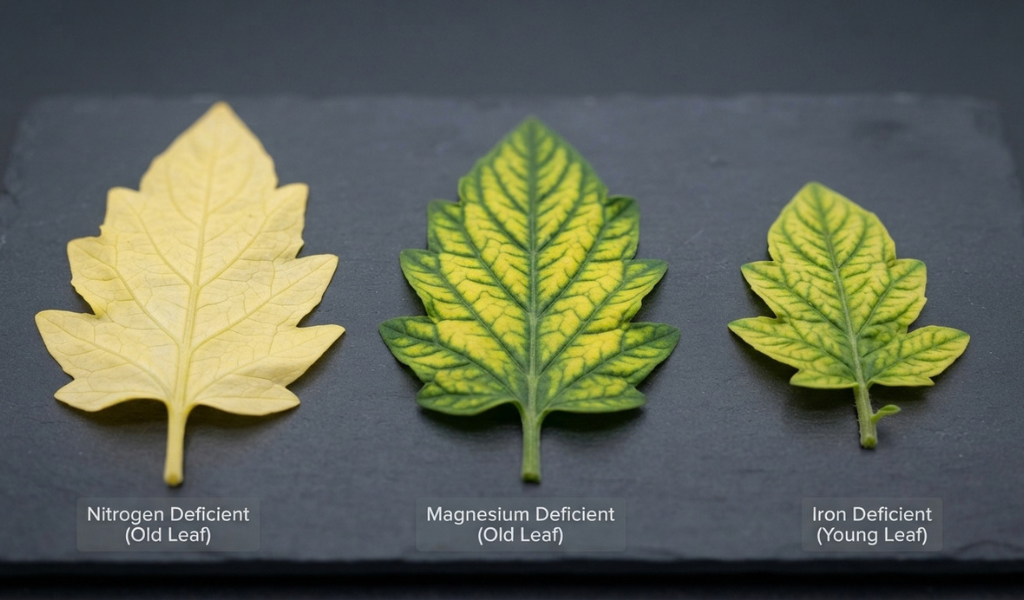
Nitrogen deficiency
Nitrogen deficiency typically shows up as older leaves turning yellow first, starting at the bottom of the plant and working upward as the deficiency continues. Since nitrogen is mobile within the plant, the tomato plant pulls it from older leaves to support new growth, which is why the bottom leaves suffer first. A balanced fertilizer or a nitrogen rich feed can correct this fairly quickly, often showing improvement within a week or two.
Magnesium deficiency
Magnesium deficiency creates a distinct pattern called interveinal chlorosis, where the leaf turns yellow between the veins while the veins themselves stay green. This usually starts on older leaves as well. Epsom salt diluted in water is a well known home remedy for magnesium deficiency, since it delivers magnesium directly to the plant roots in a form that is easy to absorb.
Iron deficiency
Iron deficiency looks similar to magnesium deficiency in that the yellowing appears between the veins, but it shows up on newer leaves at the top of the plant instead of older ones, since iron does not move easily within the plant once it has been used. This is often linked to soil pH being too high, since iron becomes harder for roots to absorb in alkaline soil. A soil test can confirm this, and adjusting pH or using an iron supplement formulated for plants usually resolves it.
Tomato Plant Diseases
Several tomato diseases cause yellowing leaves, and these are usually accompanied by other symptoms that help tell them apart from simple watering or nutrient issues. Early blight often causes yellowing along with dark spots on the leaves that have a target like ring pattern, typically starting on lower, older leaves.
Tomato spotted wilt virus causes yellow spots on leaves along with stunted growth and sometimes bronze colored streaking on stems. Tomato yellow leaf curl virus, often spread by whiteflies, causes leaves to curl upward while turning yellow, along with stunted overall growth. Both viruses are serious and unfortunately there is no cure once a plant is infected, so remove infected plants or at least remove infected leaves promptly to prevent the disease from spreading to healthy plants nearby.
Fusarium and verticillium wilt are soil borne fungal diseases that cause yellowing, often on one side of the plant or one branch at a time, eventually leading to wilting and plant death. These diseases live in the soil for years, so crop rotation and choosing resistant tomato varieties are the best long term prevention.
Pest Problems That Cause Yellow Leaves
Tomato pests are another common cause yellow leaves, usually by damaging the plant’s ability to move water and nutrients properly. Aphids and whiteflies feed on the underside of leaves, sucking out plant sap and leaving behind yellow stippling or overall yellowing wherever they have been feeding heavily. You can often spot these pests by turning leaves over and checking the underside, where they cluster in groups.
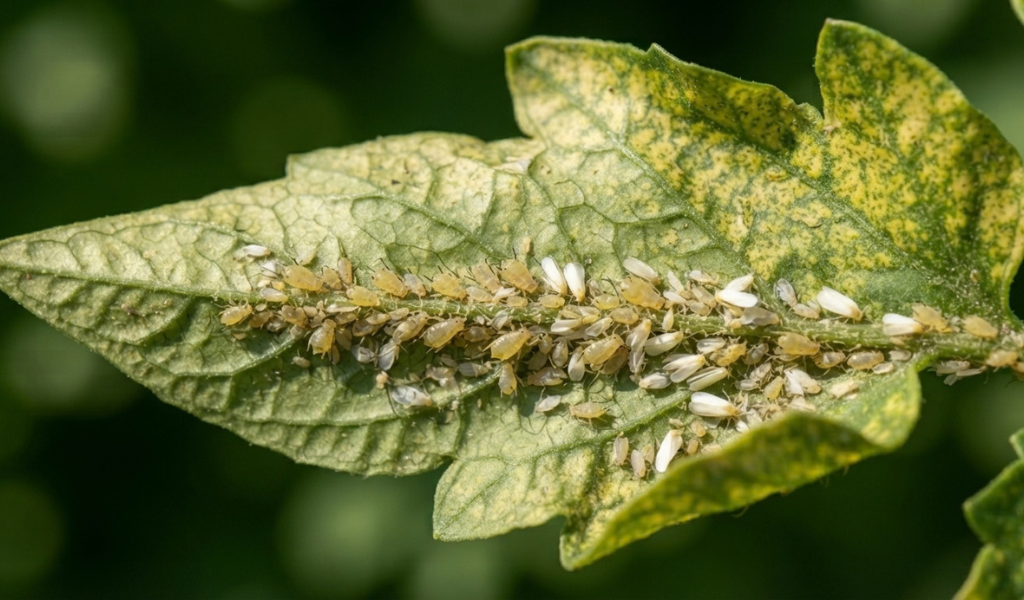
Spider mites are another culprit, especially during hot, dry weather. They are tiny and hard to see with the naked eye, but their feeding causes a fine, speckled yellowing across the leaf, sometimes with faint webbing visible if the infestation is heavy. A strong spray of water or insecticidal soap applied to the underside of leaves usually knocks back these populations.
Root knot nematodes work underground, damaging roots so the plant cannot take up nutrients properly, which shows up above ground as yellowing and stunted growth even when watering and soil conditions seem fine. If you suspect nematodes, pulling up an affected plant and checking the roots for small knots or galls will confirm it.
Environmental and Temperature Stress
Tomato plants thrive within a fairly specific temperature range, and stepping outside that range can cause yellowing even when everything else about care is correct. Cold snaps, especially early in the season, can shock young plants and cause yellow leaves, particularly on the lower part of the plant. Similarly, extreme heat during summer can stress plants enough that leaves begin turning yellow as the plant focuses its energy on survival rather than maintaining every leaf.
Transplant shock is another environmental cause worth mentioning. When you move a tomato seedling from a container into the garden, some yellowing of the lower leaves in the days following transplant is fairly normal as the plant adjusts to its new environment. This usually resolves on its own within a week as the roots establish themselves in the new soil.
Sudden weather swings, like a string of cold nights followed by a heat wave, can also stress plants enough to cause temporary yellowing that clears up once conditions stabilize. If you notice yellowing right after a weather change and the plant is otherwise healthy, giving it a little time before taking corrective action is often the right call.
Poor Sunlight and Growing Conditions
Tomato plants need a good six to eight hours of direct sun each day to stay productive, and when they do not get enough light, yellowing can appear, particularly on leaves that are shaded by other foliage or nearby structures. This is a common issue in small space vegetable gardening, where tomatoes might be planted a bit too close to taller plants, fences, or buildings that block part of the day’s sun.
Crowded plantings can also cause this problem, since tomato plants growing too close together compete for light and airflow, leading to shaded lower leaves that yellow and eventually drop. Giving each plant enough space and pruning away excess foliage that blocks light from reaching the middle of the plant can improve overall health and reduce yellowing tied to poor light conditions.
Poor soil quality plays a role here too. Compacted or nutrient poor soil limits root growth, which in turn limits how well the plant can support healthy green leaves at the top of the plant. Working compost into the soil before planting and top dressing established plants during the growing season helps keep the whole plant, from roots to leaves, well supported.
Natural Leaf Aging
Not every yellow leaf is a problem that needs fixing. As tomato plants grow and put energy into new leaves and fruit production, older leaves naturally decline and turn yellow as part of the plant’s normal life cycle. This typically happens gradually to individual lower leaves, rather than affecting the whole plant or a large section all at once.
If you notice a few older leaves near the base of the plant turning yellow while the rest of the plant looks healthy and green, with normal growth and fruit development continuing as expected, this is likely just natural aging rather than a sign of disease, pests, or watering problems. Simply removing these yellow leaves keeps the plant looking tidy and can improve airflow around the base, which helps prevent fungal issues from developing in the humid, shaded conditions that dense lower foliage can create.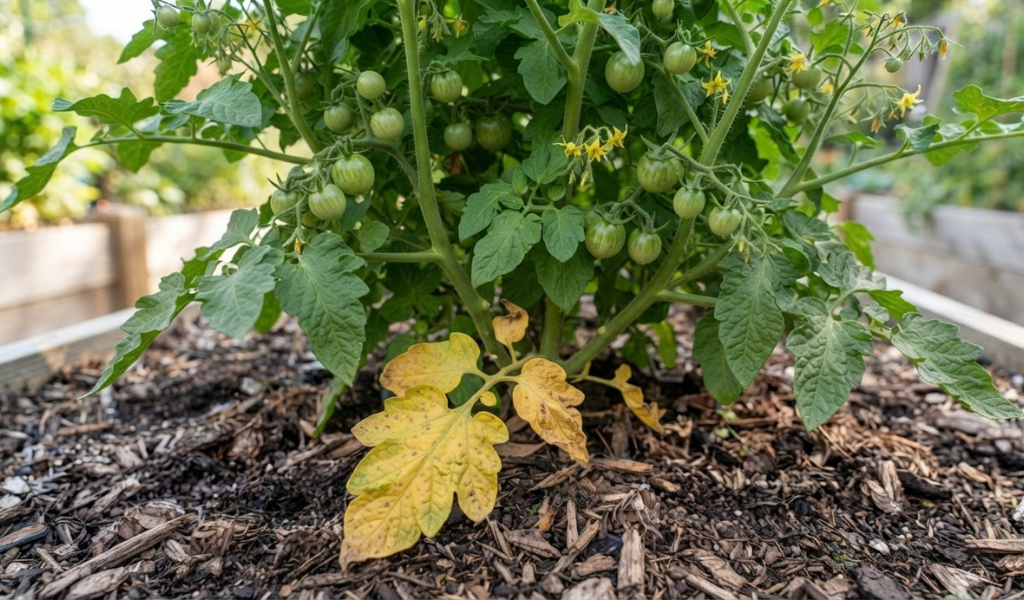
Steps to Restore Healthy Green Leaves
Once you have identified the likely cause behind your yellowing tomato leaves, a few consistent habits will help your plants recover and stay healthy going forward. Start by adjusting your watering routine based on what you have observed, checking soil moisture before watering rather than following a fixed schedule, and making sure containers or beds drain properly.
Next, consider a soil test if you suspect a nutrient deficiency, since guessing at fertilizer can sometimes make things worse rather than better. Once you know what is missing, choose a fertilizer formulated to address that specific deficiency rather than a generic all purpose feed. For diseases, remove infected leaves or plants promptly, clean up fallen leaves around the base of the plant, and avoid overhead watering, which can spread fungal spores and encourage the conditions diseases thrive in.
For pest issues, regular inspection of the underside of leaves catches problems early, before populations grow large enough to cause serious damage. Insecticidal soap, neem oil, or simply a strong blast of water are often enough to manage light infestations without resorting to stronger treatments.
Finally, give your tomato plants the growing conditions they need to thrive from the start, meaning enough sunlight, well draining but moisture retentive soil enriched with compost, and enough space between plants for good airflow. Plants that start off in the right conditions are naturally more resistant to the kind of stress that leads to yellowing in the first place.
Final Thoughts
Yellow leaves on tomato plants are frustrating, but they are rarely a mystery once you know what to look for. Whether the cause turns out to be watering habits, a missing nutrient, disease, pests, or simple leaf aging, working through the possibilities systematically will get you to an answer faster than guessing. Pay attention to where on the plant the yellowing starts, what the leaves look like up close, and how the rest of the plant is doing overall.
Take a walk through your garden this week and really look at your tomato plants leaf by leaf. Catching yellowing early, and responding with the right fix rather than a generic one, is what keeps your plants healthy and productive right through to harvest.
Frequently Asked Questions
Why are the bottom leaves on my tomato plant turning yellow first?
This is usually a sign of nitrogen deficiency, overwatering, or simply natural aging, since older leaves at the bottom are the first to show stress as the plant reallocates resources to new growth.
Can yellow tomato leaves turn green again?
Leaves that have fully yellowed rarely turn green again, but fixing the underlying cause, whether watering, nutrients, or light, will stop further leaves from yellowing and support healthy new growth.
Should I remove yellow leaves from my tomato plant?
Yes, removing yellow leaves, especially ones showing spots or signs of disease, helps improve airflow and prevents the spread of any fungal or viral issues to healthy parts of the plant.
How can I tell if yellow leaves are from disease or just watering issues?
Disease usually comes with additional symptoms like spots, curling, or stunted growth, while watering issues tend to cause more uniform yellowing without spots, often paired with wilting or soggy soil.
Is yellowing worse in container grown tomatoes than in ground plants?
Container and small space vegetable gardening setups can be more prone to yellowing from watering swings and nutrient depletion, since limited soil volume dries out or loses nutrients faster than garden beds.
What is the fastest way to fix nitrogen deficiency in tomato plants?
Applying a balanced or nitrogen rich fertilizer typically shows improvement within one to two weeks, though correcting soil quality long term with compost gives more lasting results.
Can too much sun cause tomato leaves to turn yellow?
Extreme heat and intense sun stress can cause yellowing, particularly during heat waves, since the plant redirects energy toward survival. Providing afternoon shade during extreme heat can help reduce this stress.