Cherry Tomato Growing Stages: Complete Guide to Grow Cherry Tomatoes in Your Garden
Cherry Tomato Growing Stages: Grow Cherry Tomatoes From Seed to Harvest
If you have ever bitten into a warm, sun-ripened cherry tomato straight off the vine, you already know why so many gardeners fall in love with this little fruit. Sweet, juicy, and easy to grow, the cherry tomato plant is one of the most rewarding crops you can add to your garden this year. But before you get to that first delicious harvest, your plant will pass through several distinct cherry tomato growing stages, each one shaping how healthy and productive your tomatoes will be.
This complete guide to growing cherry tomatoes walks you through every step of the process, from a tiny seed to a basket full of ripe fruit. Whether you are a first time gardener or someone who wants to learn how to grow cherry tomatoes more successfully this season, understanding the Tomato Growing Stages will help you spot problems early, water and feed your plants correctly, and enjoy a longer harvest window. We will also cover how to grow cherry tomatoes from seed, how to care for cherry tomatoes in pots or in the ground, and common mistakes to avoid along the way.
Understanding Cherry Tomato Growing Stage
Every cherry tomato plant follows a predictable life cycle, and knowing this cycle makes you a better gardener. The main cherry tomato growing stages are germination, seedling growth, vegetative growth, flowering, pollination and fruit set, fruit development, ripening, and finally harvest. Each stage has its own needs when it comes to light, water, and temperature, and skipping ahead or ignoring a stage often leads to weak plants or poor fruit.
Most cherry tomato varieties move through these stages faster than large slicing tomatoes. While some big tomato varieties can take over 100 days from seed to harvest, many cherry tomato varieties are ready in around 55 to 70 days after transplanting, with some early varieties producing fruit even sooner. That quick turnaround is one reason cherry tomatoes are considered easy to grow and a favorite for beginner gardeners and container growers alike.
Understanding these stages also helps if you are growing cherry tomatoes in pots on a balcony, in raised beds, or directly in garden soil. The stages themselves do not change based on where you plant, but the pace and details of care will shift slightly depending on your setup.
Germination: The First Cherry Tomato Growing Stage
Germination is where it all begins. This is the stage where a dormant tomato seed wakes up and starts turning into a living plant. It is also the first of the cherry tomato growing stages that many home gardeners actually see with their own eyes, especially if they are growing cherry tomatoes from seed indoors.
Preparing the Seeds
Start by choosing quality tomato seeds from a variety you actually want to eat. Popular choices include Sweet 100, Sun Gold, Black Cherry, and various grape tomatoes, which share a similar growth pattern to classic cherry types. Fill seed trays with a light, well draining potting mix rather than heavy garden soil, since compacted soil can slow down root development.
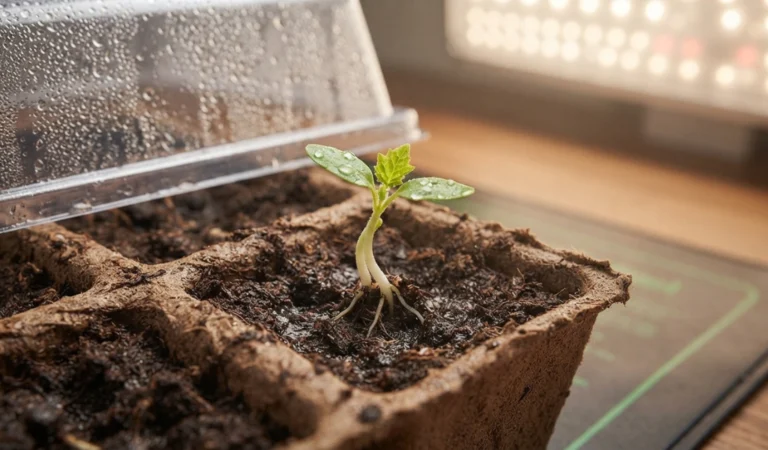
Plant the seeds about a quarter inch deep and keep the growing medium consistently moist but not soggy. A humidity dome or plastic wrap over the trays helps lock in moisture while the seeds germinate. Most cherry tomato seeds sprout within 5 to 10 days when kept at a warm and steady temperature, ideally between 70 and 80 degrees Fahrenheit. A seedling heat mat can speed this process along, especially if you are starting seeds indoors during cooler months.
What Happens Underground?
Even though you cannot see it, a lot is happening below the surface during germination. The seed absorbs water, its outer coat softens, and a small root called a radicle pushes downward while a shoot begins reaching upward toward light. Within a week or two, you will notice a small stem breaking through the soil, followed by two rounded seed leaves called cotyledons. These are not the plant’s true leaves, but they are a clear sign that this stage of the cherry tomato growing process is complete and the seedling stage is about to begin.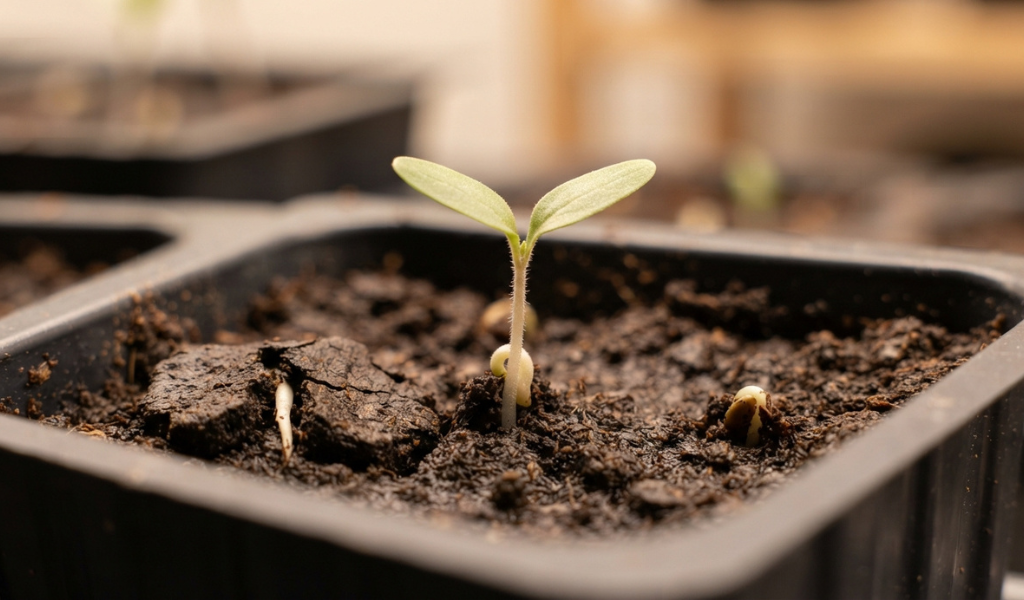
Seedling Stage: Building Strong Roots Early On
Once the cotyledons appear, your tomato seedling enters a delicate but important stage. This is when the plant’s first true leaves show up, usually within one to two weeks after germination. These true leaves look more like typical tomato foliage, with jagged edges, and they signal that the plant is now capable of photosynthesis on its own.
During this stage, light is everything. Seedlings need at least 12 to 16 hours of light a day, whether from a sunny window or grow lights placed just a few inches above the plants. Without enough light, seedlings often become tall, thin, and weak as they stretch toward whatever light source is available. If you are growing cherry tomatoes indoors, rotating trays regularly and keeping grow lights close to the plants will prevent this leggy growth.
Watering should be gentle and consistent. Bottom watering, where trays sit in a shallow pan of water, helps seedlings develop deeper roots since they are encouraged to grow downward in search of moisture. As the seedlings grow past three or four inches tall, you can begin feeding them a diluted liquid fertilizer to support steady, strong growth heading into the next stage.
Hardening Off Before the Big Move
Before any tomato seedling can move outdoors permanently, it needs a transition period known as hardening off. This step is often overlooked, but skipping it can shock young plants and set back their growth right when they need to be building strength.
Hardening off simply means gradually introducing your seedlings to outdoor conditions like wind, direct sunlight, and temperature swings. Start by placing your seedlings outside in a shaded, sheltered spot for an hour or two, then slowly increase their outdoor time over 7 to 10 days. By the end of this period, your plants should be able to handle a full day outside without wilting or showing sunburned leaves.
Timing this stage around your last frost date is critical. Cherry tomatoes are sensitive to cold, and even a light frost can kill young plants. Most gardeners wait until nighttime temperatures are reliably above 50 degrees Fahrenheit before hardening off and eventually transplanting outdoors.
 Vegetative Growth: Building a Strong Tomato Plant
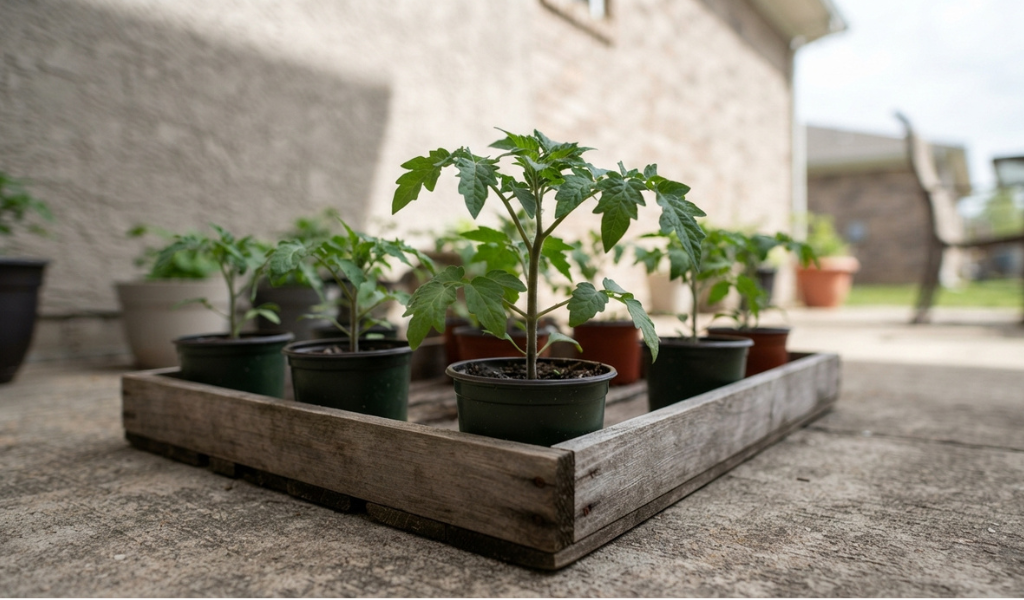
After transplanting, your cherry tomato plant shifts into vegetative growth, one of the most active of all the Cherry Tomato Growing Stages. This is when the plant focuses almost entirely on building height, stems, and leaves rather than fruit. Strong vegetative growth now leads directly to a bigger harvest later.
At this stage, most cherry tomato varieties are classified as indeterminate, meaning they keep growing and producing new stems and leaves throughout the growing season rather than stopping at a fixed height. Because of this vining growth habit, a sturdy tomato cage or stake is essential early on, before the plant becomes too large and heavy to support safely.
Cherry tomatoes need at least 6 to 8 hours of direct sunlight daily during this stage, along with rich garden soil or potting mix that drains well. Adding compost at planting time gives the roots a steady source of nutrients. Water deeply but less frequently, encouraging roots to grow downward rather than staying near the surface where they dry out quickly. Many gardeners also start light pruning of the lower leaves during this stage to improve airflow and reduce the risk of tomato diseases like blight.
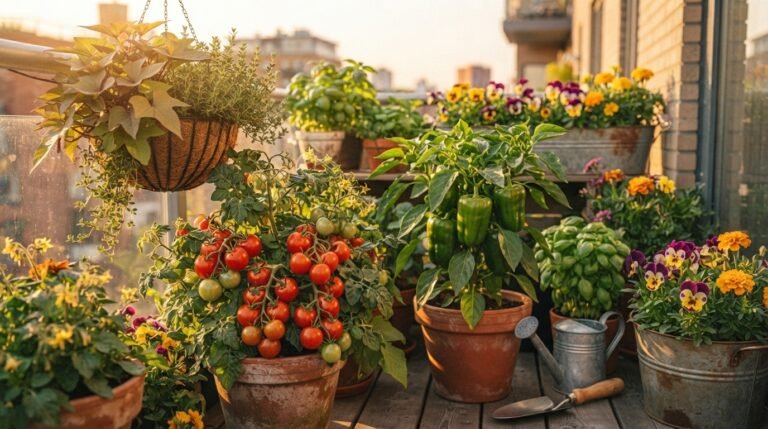
If you are growing cherry tomatoes in pots or containers, choose a container that is at least 5 gallons in size with several drainage holes, and consider a potting mix formulated for vegetables. Some cherry tomato varieties are specifically bred for container growth, staying more compact while still producing plenty of fruit, which makes them a great choice for small gardens, patios, or balconies.
Flowering Stage: The Turning Point in Cherry Tomato Growing Stages
Flowering marks an exciting turning point among the Cherry Tomato Growing Stages, because it is the first visible sign that fruit production is on the way. Small yellow, star-shaped flowers begin appearing along the stems, usually once the plant reaches around 12 to 18 inches tall, though this can vary by variety and growing conditions.
This stage typically begins 4 to 6 weeks after transplanting, depending on the specific cherry tomato variety and local climate. Consistent watering matters a great deal here, since inconsistent moisture can cause the plant to drop flowers before they ever get the chance to become fruit. A layer of mulch around the base of the plant helps the growing medium stay consistently moist and reduces water stress during hot afternoons.
Sunlight remains just as important during flowering as it was during vegetative growth. Plants that are shaded or crowded often produce fewer flowers, which directly limits how many tomatoes you will eventually harvest. If you notice flowers but few of them are turning into fruit, it may be a sign that pollination needs a little help, which brings us to the next stage.
Pollination and Fruit Set: Turning Flowers Into Tomatoes
Pollination is where flowers officially become tiny tomatoes, making it one of the most delicate steps among all the Cherry Tomato Growing Stages. Tomato flowers are self-pollinating, meaning each flower contains both male and female parts, but they still rely on movement, whether from wind or visiting insects like bees, to release and spread pollen effectively.
Outdoor cherry tomato plants usually pollinate naturally without much help, especially if bees are active in your garden. If you are growing cherry tomatoes indoors or in an enclosed space like a greenhouse, gently shaking the stems every couple of days or using a small brush to transfer pollen between flowers can significantly improve fruit set.
Temperature plays a big role here as well. Extremely hot weather above 90 degrees Fahrenheit or unusually cool nights below 55 degrees can interfere with successful pollination, sometimes causing flowers to drop without setting fruit. Once pollination succeeds, you will notice the flower petals shrivel and fall away, leaving behind a small green fruit at the base, which is the earliest visible fruit development stage.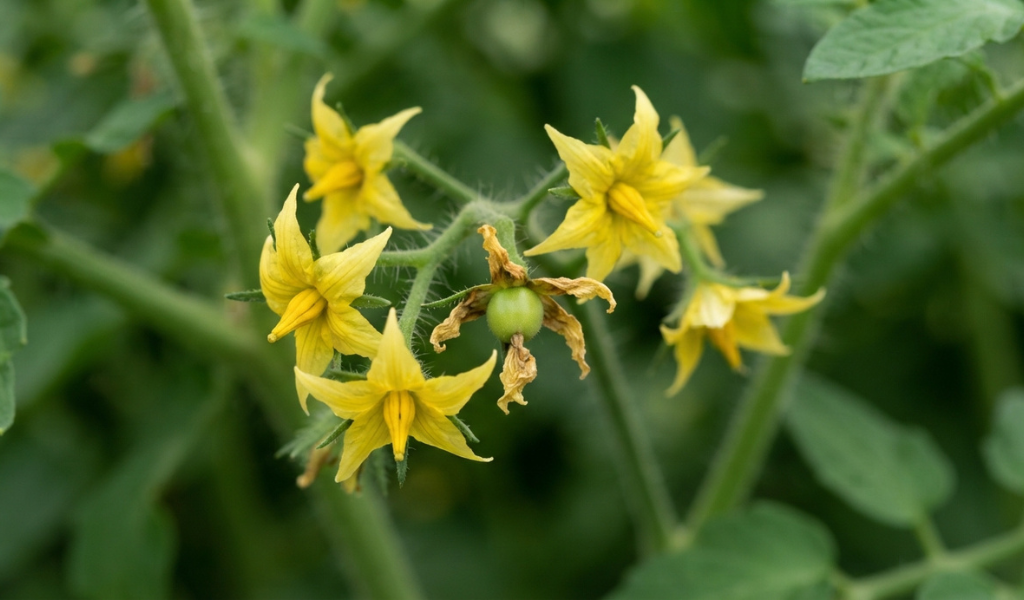
Fruit Development Stage: Watching Cherry Tomatoes Grow and Ripen
Once pollination is complete, tiny green tomatoes begin to form and slowly increase in size over the following one to two weeks. This fruit development stage is one of the longer Cherry Tomato Growing Stages, and it is where patience really pays off.
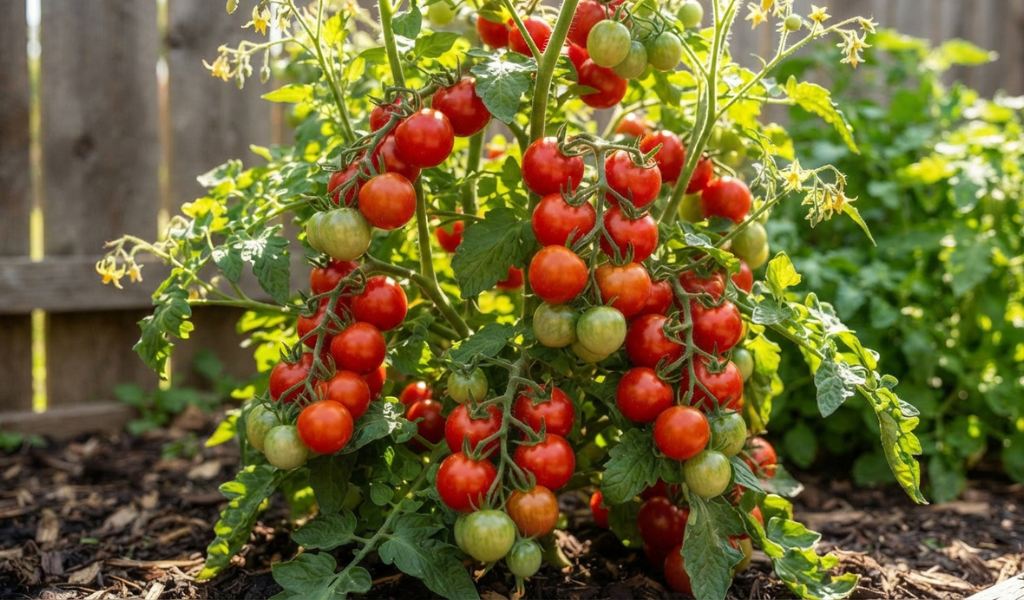
During this time, cherry tomatoes remain firm and green, gradually growing to their mature size, which is typically about one inch or smaller depending on the variety. Grape tomatoes and pear tomatoes follow a similar pattern, though their shapes differ slightly from round cherry types. Consistent watering continues to matter enormously here, since fluctuating moisture levels can cause cracking once the fruit begins to ripen.
Watching for Ripeness Signals
As fruit development continues, keep an eye out for early ripeness signals. The skin of the tomato often develops a slight sheen, and the fruit may start to feel a bit softer to the touch compared to its earlier firm, green stage. Some varieties, like certain heirloom tomatoes, may show streaks of color even before they are fully ripe, so it helps to know what your specific variety looks like at each point in the process.
Ripening Stage: When Cherry Tomatoes Turn Red
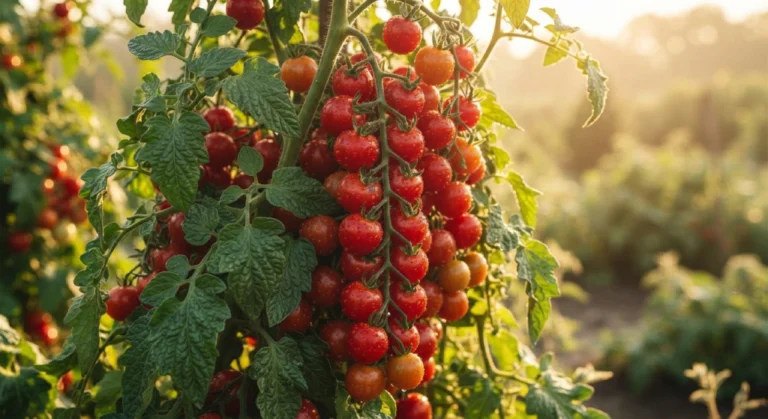
The ripening stage is arguably the most satisfying of all the Cherry Tomato Growing Stages, since this is when your patience finally turns into color. Green tomatoes begin to shift toward yellow, orange, or red, depending on the variety, as a natural plant compound called lycopene develops in response to warmth and sunlight.
Ripening typically takes anywhere from one to two weeks once color change begins, though this can speed up during hot summer weather. A popular hybrid orange cherry tomato variety, for example, often ripens slightly faster than classic red types, while a black cherry tomato variety takes on a deep purplish red hue rather than pure red.
During ripening, avoid overwatering, since too much moisture at this stage can dilute flavor and increase the chance of split skins. Steady, moderate watering combined with full sun exposure produces the sweetest, most flavorful fruit. This is also a good time to watch closely for tomato hornworms and other pests, since ripening fruit tends to attract more attention from insects.
Harvest Stage: Knowing When Cherry Tomatoes Are Ready to Pick
The harvest stage is the reward for everything that came before it in the Cherry Tomato Growing Stages. 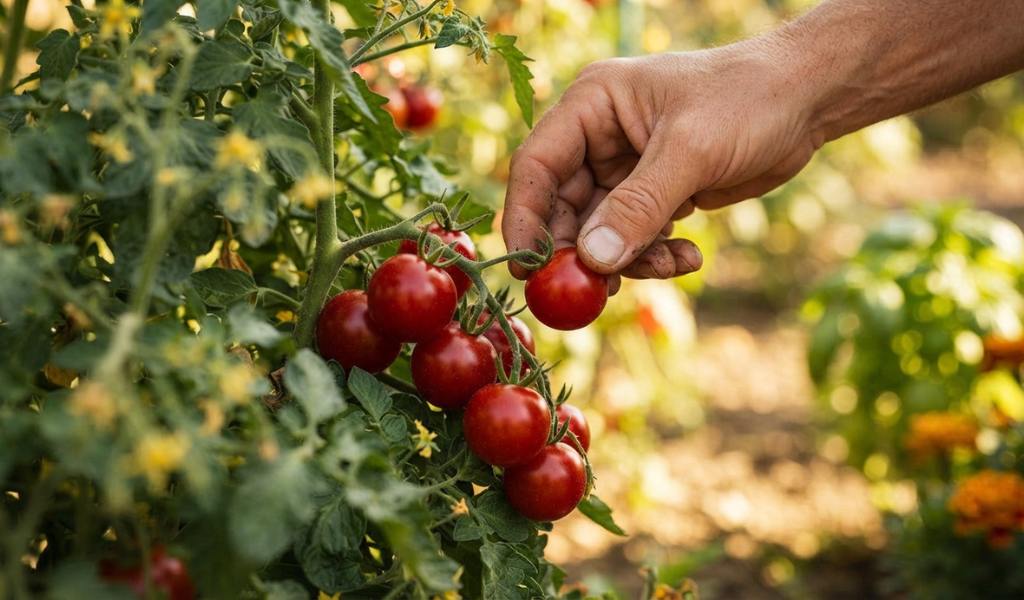 Cherry tomatoes are ready to pick once they reach full color for their variety and feel slightly soft when gently squeezed, yet still firm enough to hold their shape.
Most cherry tomatoes are ready roughly 55 to 75 days after transplanting, though exact timing depends heavily on the variety and growing conditions. Because cherry tomato plants are indeterminate, they continue producing new flowers and fruit throughout the growing season, meaning you can expect to harvest small batches every few days rather than one single large picking.
To harvest, gently twist or snip the tomato from the stem rather than pulling forcefully, which can damage the vine. Picking regularly actually encourages the plant to keep producing more fruit, so frequent harvesting benefits your overall yield. Many gardeners find that a single healthy cherry tomato plant can provide fresh tomatoes for salads, snacking, and cooking for several months straight.
Common Mistakes at Each Cherry Tomato Growing Stage (And How to Avoid Them)
Even experienced gardeners run into hiccups during the Cherry Tomato Growing Stages, but most problems come down to a handful of common mistakes.
During germination, planting seeds too deep or letting the growing medium dry out is a frequent issue, so keep seeds shallow and moisture steady. At the seedling stage, insufficient light often causes leggy, weak seedlings, so use grow lights or a bright window and keep the light source close. Skipping the hardening off process before transplanting is another common error that leads to transplant shock and stunted growth.
During vegetative growth, forgetting to stake or cage plants early often results in sprawling vines that are harder to manage later. At the flowering stage, inconsistent watering causes flower drop, so aim for steady moisture rather than feast or famine watering. During fruit development and ripening, overwatering right before harvest can dilute flavor and cause fruit to split, while underwatering earlier in the season can stress the entire plant.
Finally, many gardeners simply forget to harvest often enough, not realizing that regular picking actually keeps the plant producing more fruit throughout the season.
Final Thoughts
Learning how to grow cherry tomatoes successfully really comes down to understanding what your plant needs at each point along the way. From the moment a seed germinates to the day you pick that first sweet, sun-warmed fruit, every one of the Cherry Tomato Growing Stages plays an important role in the final harvest. Whether you are growing cherry tomatoes in pots on a small patio or planting rows of them in a backyard garden, paying attention to light, water, and timing will make all the difference.
If you are new to gardening, cherry tomatoes remain one of the easiest and most forgiving places to start, and few things feel as rewarding as growing your own food from a tiny seed. Start a few seed trays this season, follow these stages closely, and get ready to enjoy fresh cherry tomatoes straight from your own garden.
Frequently Asked Questions
How long does a cherry tomato take to grow?
From seed to harvest, most cherry tomato varieties take around 55 to 75 days after transplanting, though the full process from seed germination can take closer to 10 to 12 weeks total.
What do cherry tomatoes look like when they first start growing?
In the earliest Cherry Tomato Growing Stages, seedlings appear as small stems with two rounded seed leaves, followed shortly by jagged true leaves that look like miniature tomato foliage.
How long from cherry tomato flower to fruit?
After successful pollination, it typically takes one to two weeks for a flower to develop into a small green tomato, followed by another few weeks of growth before ripening begins.
What helps cherry tomatoes grow faster?
Consistent warmth, at least 6 to 8 hours of direct sunlight, steady watering, and rich, well draining soil or potting mix all help move plants through the Cherry Tomato Growing Stages more quickly.
Can cherry tomatoes grow in containers?
Yes, many cherry tomato varieties grow very well in containers, especially compact varieties bred specifically for container growth, as long as the pot has good drainage and holds at least 5 gallons of soil.
Do cherry tomatoes come back every year?
Cherry tomatoes are generally grown as annuals in most climates, meaning they complete their life cycle in one growing season and need to be replanted from seed or new seedlings each year.
How long does it take to grow cherry tomatoes?
On average, gardeners can expect a full seed to harvest timeline of about 10 to 14 weeks, though this varies based on variety, climate, and whether plants are started indoors or direct sown.
What is the best month to plant cherry tomatoes?
The best time to plant cherry tomatoes outdoors is a few weeks after your last frost date, which for most regions falls somewhere between late spring and early summer, typically April through June.