Common Pests Affecting Pepper Plants: Identify Common Pepper Plant Pests
Common Pests Affecting Pepper Plants: How to Identify and Control Them
Growing peppers can be one of the most rewarding parts of a home garden, but common pests affecting pepper plants can turn a healthy crop into a frustrating mess. From tiny aphids hiding under leaves to weevils burrowing into fruit, these tiny invaders show up when you least expect them. The good news? Once you learn to spot the warning signs early, you can protect your plants and keep your harvest safe.
This guide walks you through the most common pepper pests, how to recognize the damage they cause, and simple ways to control them. If you’re wondering about eating my pepper plant leaves, you’ll also learn how to check your plants properly, prevent future problems, and avoid the mistakes many gardeners make. Whether you’re growing bell peppers on a patio or a full row of hot varieties, this article will help you stay one step ahead.
Before we dig in, a quick tip: healthy plants resist pests better. Feeding your peppers well matters, and a simple Homemade Fertilizer For Pepper Plants made from compost or banana peels can strengthen growth naturally. Strong plants bounce back faster when trouble strikes.
Why Pepper Plants Attract So Many Pests
Peppers are soft, leafy, and full of moisture, which makes them a favorite target for many garden pests. The tender leaves and sweet sap draw insects looking for an easy meal. Since peppers grow through the warm months, they overlap with the busiest part of the pest season, giving bugs plenty of time to settle in.
Healthy Growth Can Still Attract Insects
You might think a strong, healthy plant would scare pests away, but the opposite is often true. Lush new growth is packed with soft tissue and sap, which is exactly what pests like aphids and spider mites crave. A thriving pepper plant covered in fresh leaves can act like a dinner bell for hungry insects. This doesn’t mean you should stop caring for your plants. It just means healthy peppers still need regular checks.
Stress Can Make Pest Problems Worse
Plants under stress are more likely to suffer serious pest damage. When peppers face drought, poor soil, or crowded spacing, they weaken and struggle to defend themselves. A stressed pepper plant sends out chemical signals that some pests can detect, drawing them in. Keeping your plants well watered, properly spaced, and fed helps them stay strong enough to handle a few bugs without falling apart.
Aphids on Pepper Plants
Aphids are among the most common pests on pepper plants. These tiny, soft-bodied insects gather in clusters on stems and the undersides of leaves, where they feed on plant sap. As they feed, they weaken the plant and leave behind a sticky substance called honeydew, which can lead to sooty mold.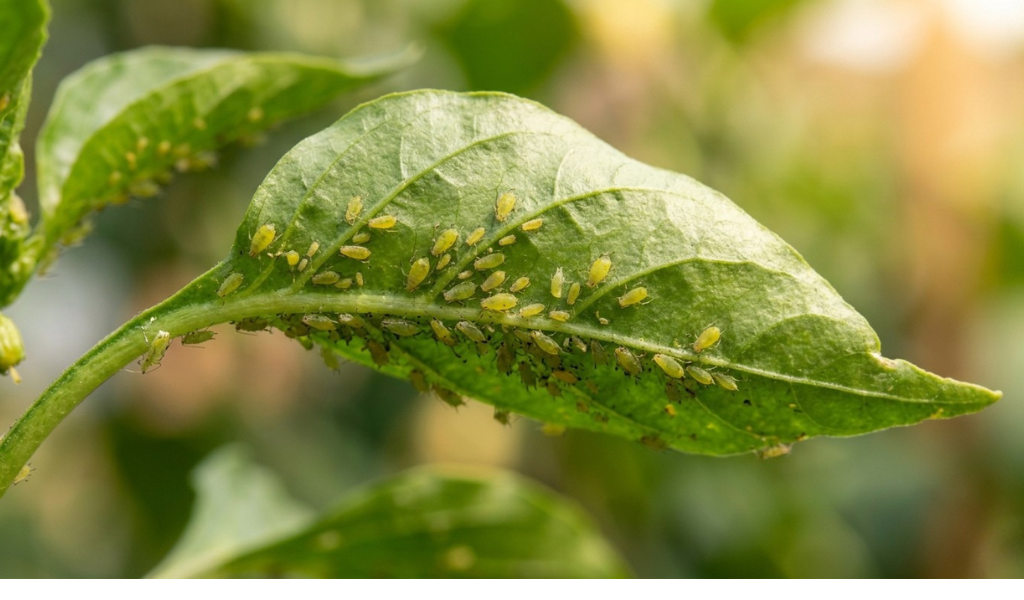
How to Recognize Aphid Damage
Aphids are small, often green, yellow, or black, and easy to miss until their numbers grow. Look for curling or yellowing leaves, sticky residue on leaves and fruit, and clusters of tiny bugs on new growth. Ants crawling up your plants can also be a clue, since they feed on the honeydew aphids produce. If you see distorted leaves or slowed plant growth, aphids are often the cause.
How to Control Aphids
Dealing with aphids is usually straightforward if you act early. A strong spray of water can knock many of them off the plant. For heavier infestations, spray plants with soapy water, which helps kill aphids without harsh chemicals. Ladybugs and lacewings are natural predators that feed on aphids, so encouraging these beneficial insects can help keep populations under control. Check nearby plants too, since aphids spread quickly.
Whiteflies on Pepper Plants
Whiteflies are tiny white insects that flutter up in a cloud when you brush against an infested plant. Like aphids, they feed on plant sap and produce honeydew, weakening your peppers over time. They tend to gather on the undersides of leaves, making them easy to overlook.
Signs of a Whitefly Infestation
The clearest sign of a whitefly problem is the sudden burst of small white insects when you disturb the plant. You may also notice yellowing leaves, sticky residue, and slowed growth. Heavy feeding can cause leaves to wilt and drop. Whiteflies can also spread plant diseases, so an early infestation is worth taking seriously.
Managing Whiteflies
To manage whiteflies, start by removing heavily infested leaves. Yellow sticky traps work well because the color attracts the insects. Spraying the undersides of leaves with soapy water helps reduce their numbers. Beneficial insects such as lacewings and parasitic wasps feed on whiteflies and can keep them in check. Regular inspection is key, since whiteflies multiply fast.
Spider Mites on Pepper Plants
Spider mites are not insects but tiny relatives of spiders, and they can cause big trouble for pepper plants. They thrive in hot, dry weather and multiply quickly. Because spider mites feed on plant sap, they slowly drain the life out of leaves.
What Spider Mite Damage Looks Like
The first sign is usually tiny yellow or white speckles on the leaves, caused as the mites feed on plant sap. As damage spreads, leaves turn dull, dry, and bronze. A telltale clue is fine webbing on the undersides of leaves and between stems.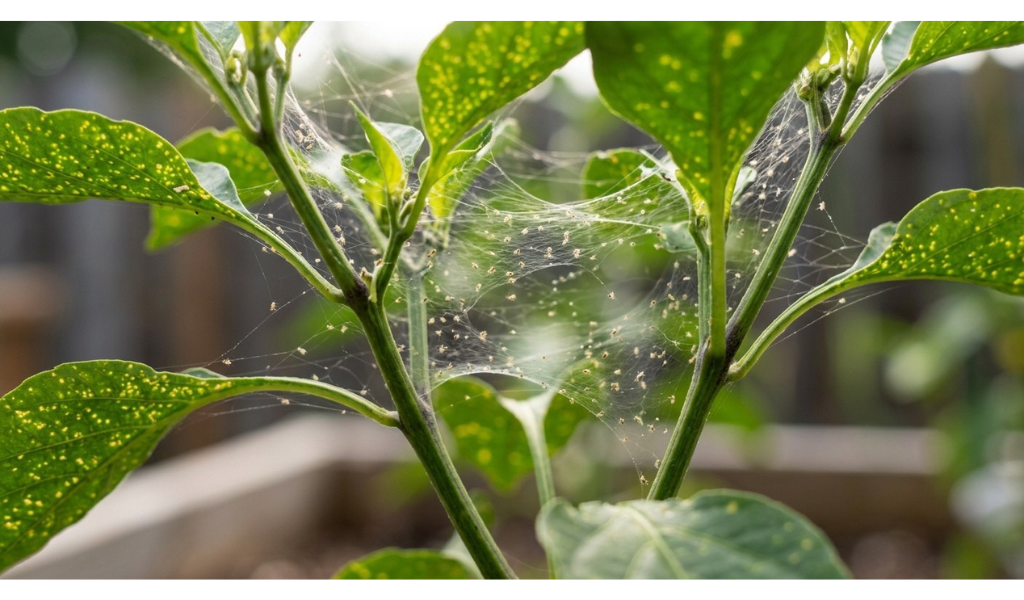 Since mites are almost too small to see, the webbing is often the easiest way to confirm them.
How to Deal With Spider Mites
Spider mites hate moisture, so spraying your plants with water can slow them down. Insecticidal soap and neem oil are effective when applied to affected plants, especially under the leaves. Removing badly damaged foliage helps limit their spread. Predatory mites and ladybugs are natural predators that feed on spider mites, offering a chemical-free way to protect your plants.
Pepper Weevils
Pepper weevils are small beetles that can ruin a pepper crop from the inside out. Adults feed on leaves and buds, while the larva develops inside the pepper fruits, making the damage hard to spot until it’s too late.
Signs of Pepper Weevil Damage
Look for small holes in buds and flowers, along with fruit that drops early or ripens unevenly. Infested peppers may feel soft or show tiny puncture marks. If you cut open an affected pepper, you might find a small larva inside. Because pepper weevils hide within the fruit, prevention matters more than treatment.
Protecting Your Pepper Crop
The best defense is good garden hygiene. Remove and destroy any fallen or infested fruit right away, since weevils can overwinter in leftover plant matter. Clear out weeds and plant debris that give pests a place to hide. At the end of the season, clean up thoroughly to stop weevils from returning. Sticky traps can help you catch adults early before they lay eggs.
Flea Beetles on Pepper Plants
Flea beetles are tiny, dark beetles that jump like fleas when disturbed. They are especially hard on young pepper plants, chewing small holes in the leaves and slowing early growth.
Identifying Flea Beetle Damage
The classic sign of flea beetles is a “shot-hole” pattern, where leaves look peppered with tiny round holes. Young plants and seedlings suffer the most, since heavy feeding can stunt or kill them. Adult beetles are small and shiny, and they scatter quickly when you approach, which makes them easy to miss at first glance.
Protecting Young Pepper Plants
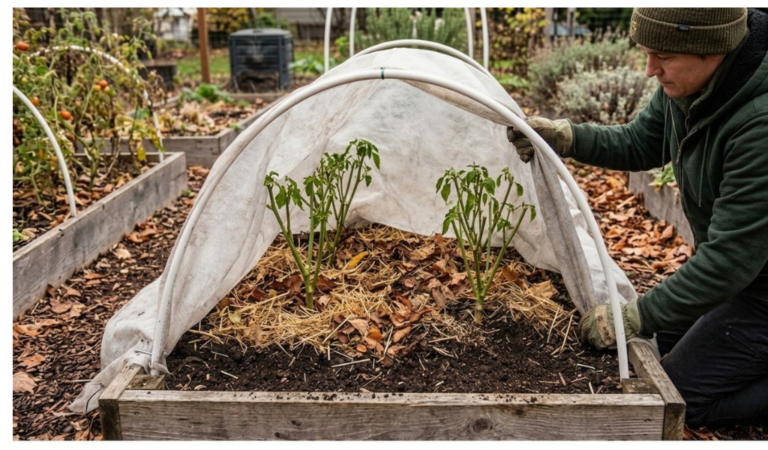
Row covers are one of the best ways to keep flea beetles away from young plants. They create a barrier that blocks the beetles while letting light and water through. Keeping the garden free of weeds removes hiding spots and food sources. A light dusting of diatomaceous earth around seedlings can also help. Once plants mature, they usually handle flea beetle damage without much trouble.
Thrips on Pepper Plants
Thrips are slender insects so small they often go unnoticed until damage appears. They scrape at leaves and flowers to feed on sap, leaving behind silvery streaks and scarring. Thrips are also known to spread the tomato spotted wilt virus, which makes them a serious threat.
Symptoms of Thrips
Watch for silvery or bronze streaks on leaves, distorted new growth, and tiny black specks, which are thrip droppings. Flowers may become deformed, and fruit can develop rough, scarred patches. Because thrips also carry the spotted wilt virus, plants showing sudden wilting or mottled leaves should be inspected closely. Catching them early helps protect nearby plants from infection.
Cutworms Around Young Pepper Plants
Cutworms are the larva of certain moths, and they hide in the soil during the day. At night they come out to feed, and they can wipe out young pepper plants with surprising speed.
Why Cutworms Are Dangerous to Seedlings
Cutworms attack at the base of the stem, often cutting a seedling clean through at soil level. A single cutworm can destroy several plants in one night. Because they feed after dark and hide by day, gardeners often wake up to find healthy seedlings toppled over with no obvious cause. This makes them one of the most frustrating pests for new pepper plants.
Protecting Pepper Seedlings
A simple collar made from cardboard or a plastic cup, pushed a little into the soil around each seedling, blocks cutworms from reaching the stem. Clearing weeds and plant debris reduces their hiding spots. Turning over the soil before planting can expose and remove hidden larvae.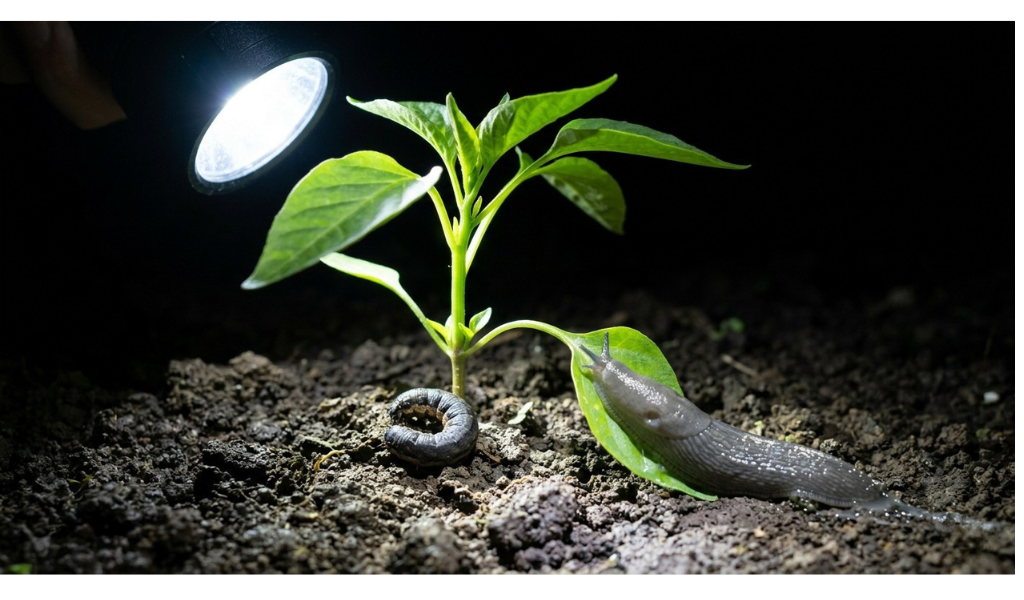 Checking plants at night with a flashlight lets you catch and remove cutworms by hand.
Slugs and Snails Around Pepper Plants
Slugs and snails love the cool, damp conditions that often surround pepper plants. They feed at night and on rainy days, chewing large ragged holes in leaves and sometimes damaging fruit.
Signs of Slugs and Snails
The clearest clue is the shiny, silvery slime trail they leave behind on leaves and soil. You’ll also notice large, irregular holes chewed into the plant leaves, especially near the ground. Since slugs and snails feed mostly at night, you may not see the culprits during the day, but the damage and trails give them away.
Reducing Slug and Snail Problems
Keeping the area around your plants dry and tidy makes it less inviting for slugs and snails. Remove hiding spots like boards, mulch buildup, and plant debris. Crushed eggshells or diatomaceous earth spread around plants can create a barrier they avoid. Handpicking them at night is very effective. Encouraging birds and other natural predators also helps keep their numbers down.
Leafminers on Pepper Plants
Leafminers are the larva of small flies that tunnel through the inside of leaves. While they rarely kill a plant, heavy feeding weakens it and reduces the leaves’ ability to make food through sunlight.
Recognizing Leafminer Damage
The signature sign of leafminers is winding, pale trails that snake across the surface of pepper leaves. These squiggly lines are the tunnels left as the larva feeds inside the leaf. Heavily affected leaves may turn yellow and drop. Since the pest lives inside the leaf, sprays often miss them, so removing damaged leaves is usually the best response.
How to Check Pepper Plants for Pests
Regular inspection is your best tool for stopping a small problem from becoming a big one. A few minutes every couple of days can help you catch pests before they spread across the entire plant.
Check the Undersides of Leaves
Many pests, including aphids, whiteflies, and spider mites, hide on the undersides of leaves where they feel safe. Gently flip leaves over and look closely for tiny bugs, eggs, or webbing. This is where infestations usually begin, so it’s the first place you should check when you keep an eye on your plants.
Inspect New Growth
Fresh, tender growth is a magnet for many pests because it’s soft and full of sap. Aphids and thrips often gather on new shoots and buds first. Checking new growth regularly helps you spot early trouble before it spreads to the rest of the plant.
Look at Flowers and Young Fruit
Some pests, like pepper weevils and thrips, target flowers and young fruit directly. Examine blossoms for tiny holes, discoloration, or insects hiding inside. Catching damage at this stage protects your harvest, since problems in the fruit are much harder to fix later.
Natural Ways to Prevent Common Pepper Pests
Preventing pests is always easier than fighting a full infestation. A few simple habits can keep your pepper plants healthy and far less appealing to bugs.
Inspect Pepper Plants Regularly
The single best prevention habit is regular inspection. Walking through your pepper garden every few days lets you spot the first signs of trouble. Early action often means you can remove a few pests by hand instead of dealing with a full-blown problem later. Make it part of your watering routine so it becomes second nature.
Keep the Garden Clean
Pests love to hide and breed in weeds, fallen leaves, and plant debris. Many insects overwinter in leftover plant matter, ready to attack next season. Clearing away debris, pulling weeds, and cleaning up at the end of the season removes these hiding spots. A tidy garden gives pests far fewer places to shelter.
Avoid Overfertilizing Pepper Plants
It might seem like more fertilizer means stronger plants, but overfeeding can backfire. Too much nitrogen produces lots of soft, leafy growth that pests like aphids find irresistible. Feed your peppers in moderation and choose balanced options. A gentle Homemade Fertilizer For Pepper Plants made from compost supports steady growth without triggering a pest buildup.
Encourage Beneficial Insects
Not all bugs are bad.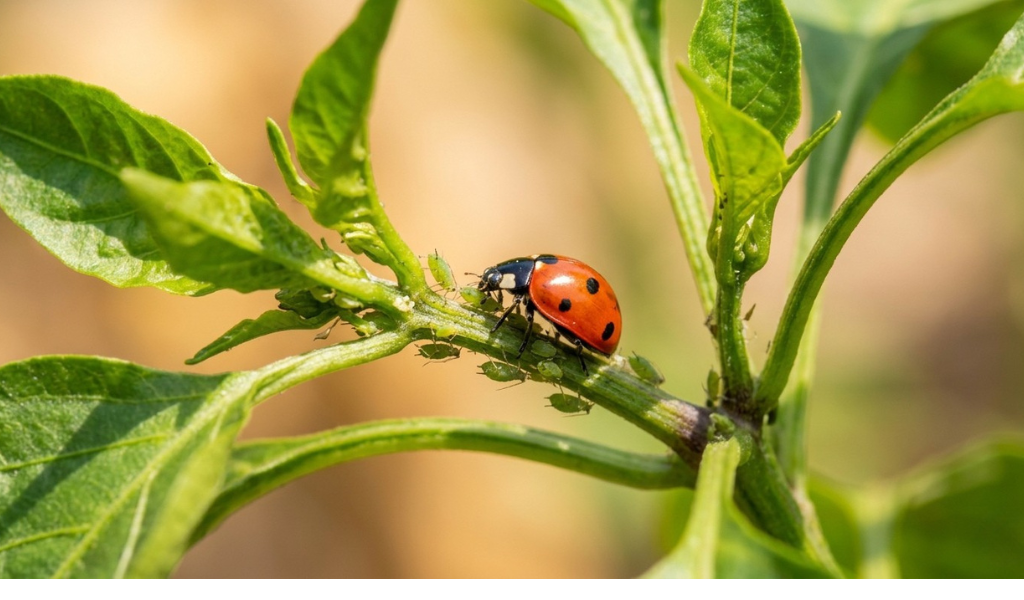 Ladybugs, lacewings, and parasitic wasps are natural predators that feed on aphids, whiteflies, and other pests. Planting flowers nearby and avoiding broad pesticides helps these helpers thrive. Beneficial nematodes in the soil can also target pests in their larval stage. Building a garden that welcomes these allies keeps pest numbers naturally low.
What to Do When You Find Pepper Plant Pests
Finding pests doesn’t mean disaster. What matters most is how you respond. A calm, step-by-step approach usually works better than reaching for the strongest spray right away.
Start With the Least Disruptive Method
Always begin with the gentlest solution. Try handpicking pests, spraying with water, or removing a few infested leaves first. If that isn’t enough, move on to soapy water or neem oil. Save stronger pesticide for serious cases, since harsh sprays can harm the beneficial insects that help control pests. Starting small protects both your plants and the natural balance in your garden.
Common Mistakes When Controlling Pepper Pests
Even careful gardeners make mistakes when fighting pests. One common error is spraying too much pesticide, which kills helpful predators along with the pests. Another is waiting too long, letting a small issue turn into a large infestation. Some gardeners treat only the top of the leaves and miss the pests hiding underneath. Others forget to check nearby plants, letting pests spread unchecked. Overwatering and overfertilizing can also create the exact conditions pests love. Avoiding these slip-ups makes pest control far more effective.
Final Thoughts
Peppers reward a little attention with a generous harvest, but that reward depends on staying ahead of the bugs. The most common pests affecting pepper plants, from aphids and whiteflies to weevils and cutworms, are all manageable once you know what to look for. Regular inspection, a clean garden, and a few natural predators go a long way toward keeping your crop healthy.
Start with the gentlest solutions, act early, and keep your plants strong through good watering and balanced feeding. Strong, well cared for peppers can shrug off minor pest damage and keep producing all season. Grab a magnifying glass, flip a few leaves, and check your plants this week. Your future harvest will thank you.
Frequently Asked Questions
What are some common problems pepper plants are prone to?
Pepper plants often face pests like aphids, spider mites, whiteflies, and pepper weevils. They can also struggle with diseases such as mosaic virus and tomato spotted wilt virus, along with issues like blossom end rot, poor pollination, and stress from heat or uneven watering.
What can I put on my pepper plants to keep bugs from eating them?
Insecticidal soap, neem oil, and a simple soapy water spray are safe, effective options for most common pepper pests. Row covers protect young plants, and encouraging beneficial insects like ladybugs helps keep pests away naturally without harsh chemicals.
Do coffee grounds help pepper plants?
Used coffee grounds can add a little nitrogen and organic matter to your soil when mixed into compost. They may also help deter slugs and snails when sprinkled around plants. Use them in moderation, since too much can affect soil balance.
Can I spray vinegar on pepper plants?
It’s best to avoid spraying vinegar directly on pepper plants, since it can burn the leaves and damage the plant. Vinegar works better as a weed killer on nearby paths, away from the plants you want to protect.
How do I get rid of aphids on pepper plants naturally?
Start by spraying aphids off with a strong stream of water. Follow up with soapy water on the leaves, especially the undersides. Releasing or encouraging ladybugs and lacewings, which are natural predators, helps keep aphid numbers under control.
What causes holes in pepper leaves?
Small round holes usually point to flea beetles, while large ragged holes often mean slugs or snails. Caterpillars and beetles can also chew through leaves. Check the undersides and the soil around your plants to identify the culprit.
What are common diseases that affect pepper plants?
Common pepper plant diseases include mosaic virus, tomato spotted wilt virus, bacterial leaf spot, and various types of rot. Many of these spread through pests or contaminated tools, so pest control and good garden hygiene help keep infected plants to a minimum.