Can I Plant Pepper Seeds from a Fresh Pepper? A Complete Guide to grow peppers from seed
Can You Plant Pepper Seeds from a Fresh Pepper? Guide to Growing Peppers from Seed Perfectly
So you sliced open a bell pepper for dinner, spotted all those seeds inside, and thought can I actually grow a pepper plant from these? The answer is yes, and it’s easier than most people think.
Growing peppers from seed you pull straight from a fresh pepper is one of the most satisfying ways to start a garden. You skip the seed packet, skip the garden center, and work with what you already have in your kitchen. Whether you’re eyeing a sweet bell pepper or a fiery hot pepper, the seeds inside that fruit can become a thriving pepper plant if you know how to handle them.
This guide walks you through everything: from checking whether your seeds are viable, to preparing and planting the seeds, to caring for pepper seedlings until they’re ready for the garden. By the end, you’ll know exactly what to do with those seeds sitting on your cutting board right now.
Can I Plant Pepper Seeds from a Fresh Pepper ?
Yes , you can absolutely plant pepper seeds taken straight from a fresh pepper. Peppers carry their seeds inside the fruit, and as long as those seeds are mature and handled correctly, they’ll germinate and grow into healthy plants.
That said, not every seed from every pepper will give you great results. Germination rates, seed maturity, and whether the variety is open-pollinated or hybrid all play a role in what you end up growing. Understanding these factors before you start will save you a lot of frustration.
Are Fresh Pepper Seeds Viable?
Viability comes down to one main factor: maturity. A pepper seed is only ready to germinate if it is allowed to fully develop inside the fruit. Seeds from a fully ripe, red, yellow, or orange pepper are almost always viable. Seeds from a green pepper which is just an unripe version of those colors may still germinate, but the germination rate tends to be lower because the seeds haven’t finished maturing.
A simple way to test viability is the float test. 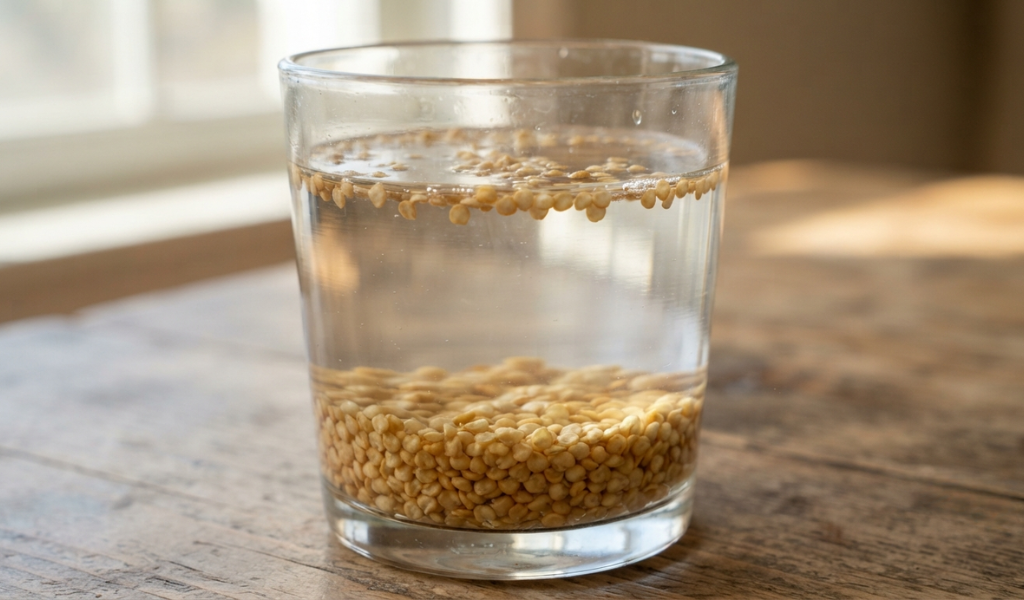 Drop your seeds into a glass of water. Seeds that sink are dense and likely viable; seeds that float may be hollow or underdeveloped. It’s not a perfect method, but it’s a useful first filter before you commit to planting.
Which Peppers Produce Seeds That Will Germinate?
Most pepper varieties produce seeds that will germinate, provided the fruit was allowed to ripen fully. Bell peppers, jalapeños, serranos, habaneros, and banana peppers are all reliable options. The hottest peppers like ghost peppers or Carolina Reapers will also produce viable seeds, though they tend to take longer to germinate.
The one category to be careful with is hybrid varieties. Many store-bought peppers are F1 hybrids, meaning they were bred by crossing two different parent plants. Seeds from these peppers will germinate, but the plants they produce often don’t resemble the parent. You might get a different shape, a different heat level, or a lower yield. If consistent results matter to you, open-pollinated or heirloom seeds are the better choice.
Fresh vs. Dried Pepper Seeds: What’s the Difference?
Fresh seeds are moist and haven’t been dried or treated. They can be planted right away, but they also carry a slightly higher risk of mold if conditions aren’t right. Dried seeds have a longer shelf life, are easier to handle, and tend to have more uniform germination rates when stored properly.
For most home growers, the difference is minor. Fresh seeds planted in a well-draining seed starting mix with good airflow will germinate just fine.
Choosing the Best Fresh Peppers for Seed Saving
Before you scoop out those seeds, take a closer look at the pepper you’re working with. The quality of the parent fruit has a direct impact on what you grow.
Select Fully Ripe Peppers for Better Germination
Always start with a fully ripe pepper. Ripe peppers are usually red, yellow, or orange depending on the variety and feel heavy for their size. The seeds inside a ripe pepper are cream or white in color, plump, and firm to the touch. These are the ones most likely to germinate and grow into strong pepper plants.
A green pepper might look healthy, but the seeds inside are still developing. Some will germinate, but many won’t and those that do may produce weaker seedlings. Waiting for full ripeness makes a real difference.
Avoid Hybrid Peppers If You Want Predictable Results
If you grabbed your pepper from a supermarket, there’s a good chance it’s a hybrid variety. Hybrid peppers are bred for uniform size, disease resistance, and shelf life not for seed saving. The seeds inside are genetically unpredictable, meaning the plants you grow won’t necessarily look or taste like the pepper you started with.
Open-pollinated varieties, and especially heirloom seeds from heirloom peppers, are a much better choice for saving seeds. These varieties breed true, meaning you can count on getting a plant that closely resembles its parent.
Best Pepper Varieties to Grow from Fresh Seeds
Some of the most reliable pepper varieties for growing from fresh seeds include:
- California Wonder Bell Pepper – a classic open-pollinated bell pepper with thick walls and reliable germination
- Jalapeño M – consistently hot, easy to grow, and widely available
- Cayenne Long Red – great for drying and using in cooking; seeds germinate quickly
- Anaheim – mild heat, excellent for stuffing, and beginner-friendly
- Ghost Pepper (Bhut Jolokia) – one of the hottest peppers available; seeds take longer to germinate but are worth the wait
- Banana Pepper – mild, sweet, and highly productive; great for container growing
Any of these will give you a reliable starting point, especially if you’re new to growing peppers from seed.
How to Prepare Fresh Pepper Seeds Before Planting
Getting the seeds out and ready to plant is a straightforward process, but a few steps will improve your success rate significantly.
How to Remove Seeds Without Damaging Them
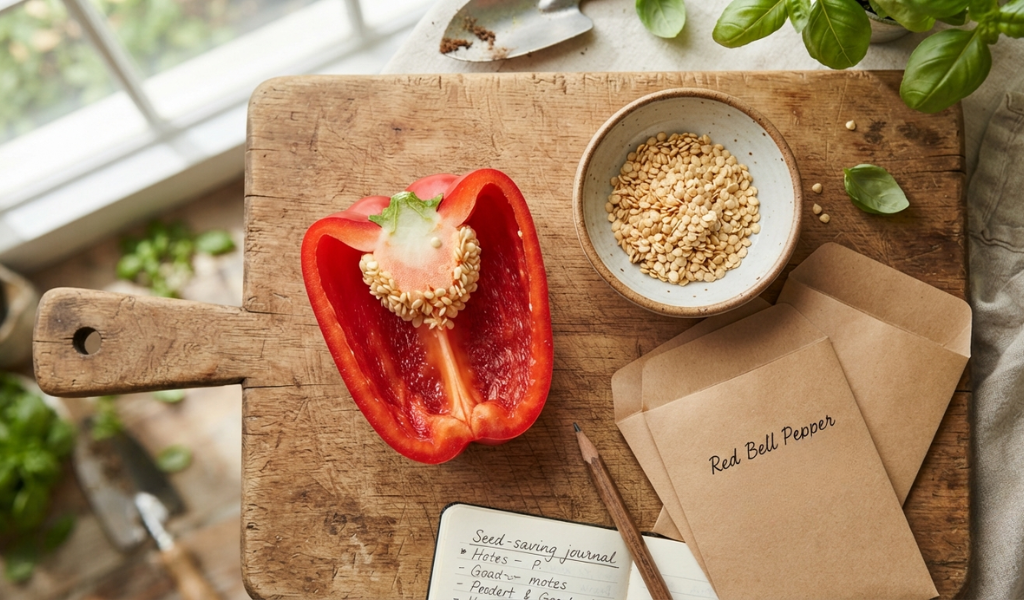
Cut the pepper lengthwise or slice off the top to expose the core. Gently pull seeds off the white center rib with your fingers or use a spoon to scrape them loose. Try not to crush or nick the seeds during this process damaged seeds won’t germinate as reliably.
Wear gloves if you’re working with hot peppers. The capsaicin that makes hot peppers spicy can linger on your fingers and cause serious irritation if you touch your eyes.
Should You Dry Fresh Pepper Seeds First?
Drying your seeds before planting is optional, but it’s generally a good idea if you’re not planting right away. Spread seeds on a paper towel or a clean, dry plate. Leave them somewhere with good airflow not in direct sunlight for three to seven days. Once fully dry, they’ll store well in a sealed envelope or small container in a cool, dark place.
If you plan to plant the seeds within the next few days, you can skip the drying step entirely. Just plant them fresh and make sure your growing medium has good drainage to prevent mold.
Cleaning and Storing Seeds Before Sowing
Give your seeds a quick rinse under cool water to remove any residual pepper flesh. Pat them dry with a paper towel, then spread them out to air dry for a few hours before storing or planting. Leftover flesh can harbor bacteria and fungi that interfere with germination.
If you’re saving seeds for later in the season, store them in a labeled paper envelope or a small glass jar. Keep them somewhere cool and dry a cupboard or the refrigerator works well. Properly stored pepper seeds can remain viable for two to four years.
How to Plant Pepper Seeds from a Fresh Pepper
Now comes the part where you put those seeds to work. Getting germination right is all about creating the correct environment from day one.
Best Soil Mix for Pepper Seed Germination
Use a dedicated seed starting mix rather than regular potting soil. Seed starting mix is lighter, more porous, and free of the heavy additives found in standard potting soil. It allows roots to push through easily and drains excess moisture quickly both of which matter a lot during germination.
Avoid using garden soil. It’s too dense, can carry pathogens, and often doesn’t drain well enough for seeds starting indoors.
Correct Planting Depth and Seed Spacing
Plant one or two seeds per cell in a seed tray, or space seeds about two inches apart in a larger container. Plant them at a depth of roughly ¼ inch (about 6mm). Cover the seeds lightly with seed starting mix and press gently to ensure good contact between the seed and the soil.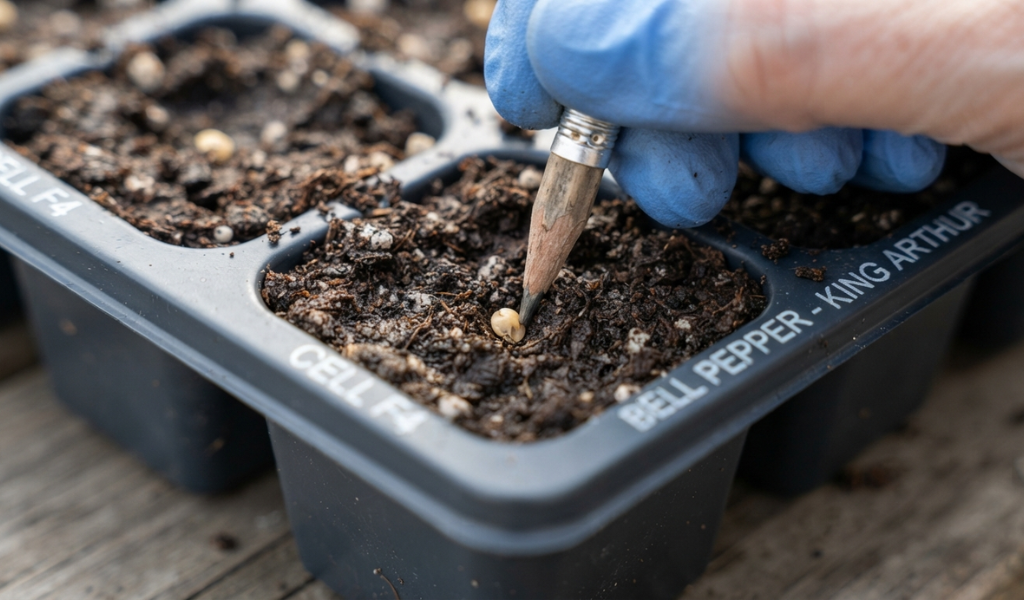
Planting too deep is a common mistake. Seeds buried too far down either exhaust themselves trying to reach the surface or rot before they can sprout.
Temperature, Moisture, and Light Requirements
Pepper seeds need warmth to germinate more warmth than most vegetable seeds. The ideal soil temperature for germination is between 80°F and 90°F (27°C to 32°C). At room temperature (around 70°F), germination is possible but will take longer.
A heat mat placed under your seed trays makes a significant difference. It keeps the soil consistently warm and can cut germination time by several days.
Keep the soil moist but not wet. A spray bottle is the best tool for watering at this stage it delivers moisture without disturbing the seeds or compacting the mix. Cover the tray with a clear plastic dome or wrap to hold in humidity until the seeds sprout.
Light matters less during germination itself; seeds don’t need light to sprout. Once seedlings emerge, however, they need plenty of it. Place them under a grow light or in a south-facing window as soon as the first sprouts appear.
Caring for Pepper Seedlings After Germination
Once your seeds sprout, the work shifts to keeping those seedlings healthy and giving them everything they need to grow strong.
When to Water Young Pepper Plants
Overwatering is the fastest way to kill pepper seedlings. Let the soil dry out a bit between waterings stick your finger about an inch into the mix. If it feels dry at that depth, it’s time to water. If it still feels moist, wait another day.
Good drainage is essential. Make sure your containers have drainage holes and that water isn’t pooling at the bottom. Soggy soil leads to root rot, which is often fatal for young seedlings.
Providing Enough Light for Strong Growth
Pepper seedlings need a lot of light at least 14 to 16 hours per day to develop properly indoors. A south-facing window is a start, but natural light alone is rarely enough, especially in winter and early spring.
A grow light placed 2 to 4 inches above the seedlings solves this problem entirely. LED grow lights are energy-efficient and produce the full spectrum of light peppers needed. Weak, leggy seedlings are almost always a sign of insufficient light, not a watering or soil problem.
When and How to Transplant Seedlings
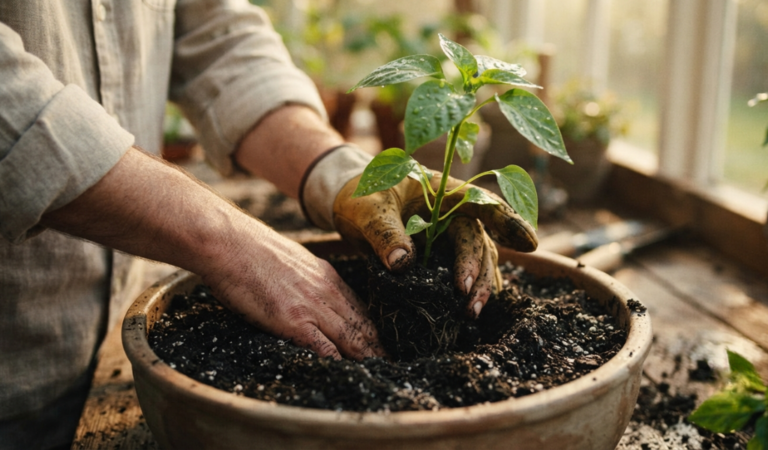
Pepper seedlings are ready to transplant when they have at least two sets of true leaves the leaves that appear after the first seed leaves. 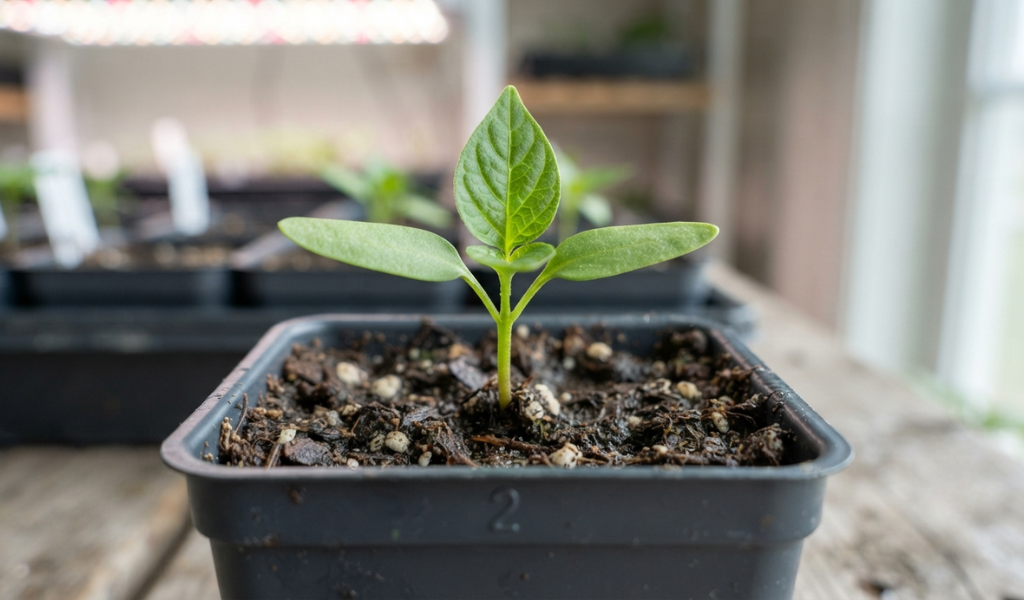 At this stage, the root system is developed enough to handle being moved.
Transplant pepper plants into larger pots or into the garden after the last frost has passed and outdoor temperatures consistently stay above 60°F at night. Harden off your seedlings first by setting them outside in a sheltered spot for a few hours each day, gradually increasing their exposure over one to two weeks.
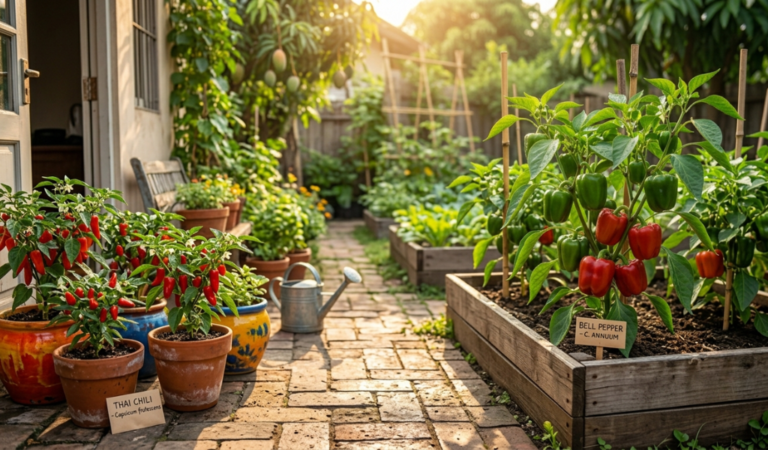
If you’re growing peppers in pots, choose containers at least 12 inches in diameter. Peppers like room to spread their roots, and tight containers limit both growth and yield.
Common Mistakes When Growing Fresh Pepper Seeds
Even experienced gardeners run into problems. Here are the most common ones and how to avoid them.
Planting Immature or Green Pepper Seeds
Seeds pulled from green or underripe peppers often fail to germinate. They look and feel similar to mature seeds, but inside, the embryo hasn’t fully developed. If you’re not sure whether your pepper is ripe enough, let it sit at room temperature for another week before harvesting the seeds.
Overwatering and Poor Drainage Problems
Soggy soil suffocates seeds and seedlings. Many beginners water on a schedule rather than checking the soil first, which leads to consistently wet conditions. The fix is simple: always check moisture levels before watering, and make sure your containers drain properly.
Using Old or Non-Viable Seeds
Seeds that have been stored improperly in humid or warm conditions lose viability quickly. Before committing to a full tray of seeds, do a test germination with five to ten seeds on a damp paper towel. If most sprout within two weeks, the batch is in good shape.
Tips for a Successful Pepper Harvest
Getting seeds to sprout is only the beginning. Carrying a pepper plant through to a full harvest takes a little ongoing care.
Fertilizing Pepper Plants for Healthy Growth
Start fertilizing about two weeks after germination with a diluted liquid fertilizer. During the seedling stage, a balanced fertilizer (equal parts nitrogen, phosphorus, and potassium) works well. Once plants begin to flower, switch to a formula lower in nitrogen and higher in phosphorus and potassium to encourage fruit production rather than leaf growth.
Don’t over-fertilize. Too much nitrogen produces lush, leafy plants that produce very little fruit.
Preventing Common Pests and Diseases
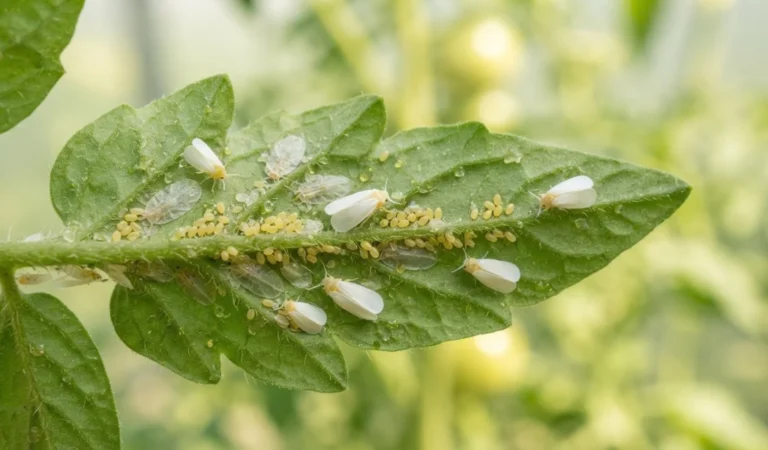
Aphids, spider mites, and fungus gnats are the most common pests on indoor pepper seedlings. Inspect plants regularly and address problems early. A spray of diluted neem oil handles most pest issues without harsh chemicals.
Good airflow around your plants reduces the risk of fungal diseases like damping off, which can wipe out an entire tray of seedlings overnight. Avoid misting the leaves late in the evening when moisture can’t dry before temperatures drop.
When to Harvest Peppers and Save Seeds for Next Season
Peppers are ready to harvest when they reach full size and have started to change color. You can pick them green if you prefer that flavor, but letting them ripen fully on the plant improves sweetness and heat development, depending on the variety.
For seed saving, leave at least one or two peppers on the plant until they are fully ripe and beginning to wrinkle slightly. These are the fruits with the most mature seeds inside. Harvest, remove the seeds, dry them thoroughly, and store them properly and you’ll have free seeds for next season’s growing peppers from seed.
Final Thoughts: Start Growing Peppers from Seed Today
You don’t need a special setup or expensive equipment to grow peppers from seed. A ripe pepper from your kitchen, a bag of seed starting mix, some small containers, and a warm spot in your home are enough to get started.
The process takes patience. Peppers have a long growing season and need consistent warmth to thrive but the payoff is real. You get full control over what you grow, you cut costs by saving seeds year after year, and there’s something genuinely satisfying about eating a pepper that started from a seed you pulled out of last year’s harvest.
Pick up a ripe pepper, save those seeds, and give it a go. The growing season won’t wait forever.
Frequently Asked Questions
Can I plant seeds directly from a store-bought pepper?
Yes, you can. Store-bought peppers often contain viable seeds, especially if the fruit is fully ripe. The main risk is that supermarket peppers are frequently hybrid varieties, meaning the plants grown from their seeds may not match the parent fruit. For more predictable results, look for heirloom or open-pollinated varieties at a farmers’ market.
How long do pepper seeds take to germinate?
Most pepper seeds germinate within 10 to 21 days under ideal conditions warm soil (80°F to 90°F), consistent moisture, and good airflow. Hot pepper varieties, like ghost peppers or habaneros, can take up to 30 days or longer. Using a heat mat will speed up germination noticeably.
Do I need to dry fresh pepper seeds before planting?
Not necessarily. Fresh seeds can be planted immediately after removal and rinsing. Drying is more important if you plan to store seeds for later use. If planting right away, just make sure your seed starting mix drains well to prevent the seeds from rotting.
Why are my pepper seeds not sprouting?
The most common causes are soil that’s too cold, seeds planted too deep, or overwatering. Check that your soil temperature is at least 75°F, that seeds are no deeper than ¼ inch, and that the mix is moist but not saturated. Seeds from unripe or hybrid peppers may also have lower germination rates.
Can I grow peppers in pots indoors year-round?
Yes, pepper plants can be grown in pots indoors with the right setup. They need a container at least 12 inches wide, a grow light providing 14 to 16 hours of light per day, and consistent warmth. Many people bring outdoor pepper plants inside before the first frost and keep them producing through winter.
When should I start pepper seeds indoors?
Start pepper seeds indoors 8 to 10 weeks before your last expected frost date. Peppers have a long growing season and need a head start indoors in most climates. Check your local frost dates and count backward from there to find your ideal seed-starting window.
Can I save seeds from a hot pepper to grow next year?
Absolutely. Hot peppers are excellent candidates for seed saving, especially open-pollinated varieties. Let one or two fruits ripen fully on the plant, harvest the seeds, dry them completely, and store them in a cool, dry location. Properly dried and stored seeds remain viable for two to four years.