Scotch Bonnet Pepper Plant Growing Tips for a Bigger Harvest
Scotch Bonnet Pepper Plant: Complete Growing and Care Guide
The scotch bonnet pepper plant is one of the most rewarding hot peppers a home grower can raise. It produces small, fruity pods with a sweet taste and a strong kick, and it sits at the heart of Caribbean cooking. Many gardeners want to grow scotch bonnet peppers because fresh pods taste far better than dried flakes or bottled sauce. This guide covers everything you need to know about the scotch bonnet pepper plant, from seed to harvest.
Success starts with timing. The Pepper Growing Season is long for this variety, and the plants need months of warm weather before they give a good crop. Most scotch bonnets take about 120 days from transplant to ripe fruit, so starting seeds early indoors makes a big difference. Growers in cooler regions often use a heat mat and a grow light to get ahead.
In the sections below you will learn how to pick the right spot, start seeds, transplant seedlings, feed the plants, and deal with common problems. You will also find tips for saving seeds and keeping the plant alive through winter. Whether you prefer the yellow scotch bonnet or the classic red pods, these steps will help you grow a healthy plant.
Understanding the Scotch Bonnet Pepper Plant and Its Unique Characteristics
The scotch bonnet pepper plant belongs to the species Capsicum chinense, the same group as the habanero and the carolina reaper. The pods get their name from their shape, which looks like a small flat hat. They ripen from green to yellow, orange, red, or even chocolate brown depending on the variety. The yellow scotch bonnet is common in Jamaican markets, while the scotch bonnet red is the version most people find in stores.
Heat is the main reason people grow it. Scotch bonnets usually measure between 100,000 and 350,000 Scoville heat units. That puts them close to the habanero, although the flavor is sweeter and more fruity. A single pod can season a whole pot of stew. Jamaican hot sauce, jerk marinade, and many other Caribbean cooking recipes depend on it.
The plant itself is bushy and grows about 2 to 4 feet tall. It has glossy green foliage and small white flowers that turn into fruit. A healthy scotch bonnet plant can produce dozens of pods in one growing season. It is heat-loving, so it grows best in warm weather and struggles when nights turn cool.
Ideal Growing Conditions for a Healthy Scotch Bonnet Pepper Plant
Getting the growing conditions right is the biggest step toward a strong scotch bonnet pepper plant. Heat, light, humidity, and soil all play a part, so it helps to plan each one before planting.
Temperature, Sunlight, and Humidity Requirements
Scotch bonnet plants like daytime temperatures between 75°F and 90°F. Growth slows when it drops below 60°F, and the plant can stall completely near 50°F. Never move seedlings outside until nights stay above 55°F and the last expected frost has passed. A frost can kill a young plant in a single night.
Sunlight matters just as much. A scotch bonnet pepper plant needs at least 6-8 hours of direct sunlight daily, and full sun gives the best fruit. Without enough light the stems stretch and the plant makes few flowers. Humidity should be moderate. Very dry air can cause flower drop, while constant dampness invites fungus. Good airflow around the foliage solves most of these issues.
Best Soil Type and pH for Scotch Bonnet Pepper Plants
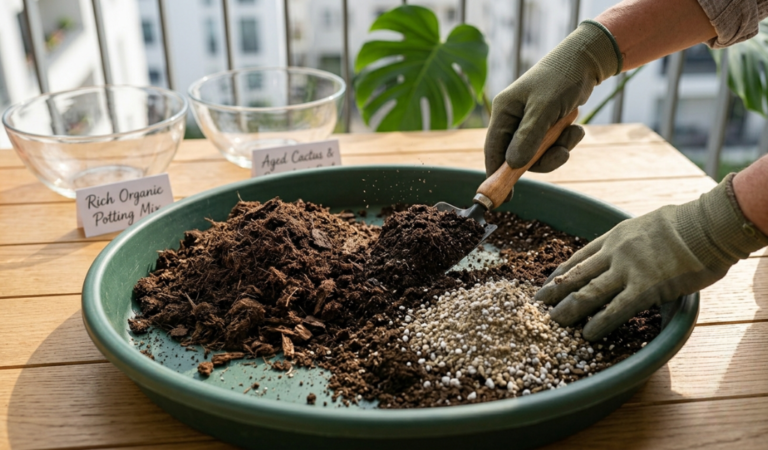
This pepper plant prefers loose soil that drains well. A mix of garden soil, compost, and a little sand or perlite works nicely. The ideal pH is between 6.0 and 6.8. A cheap soil test kit can show where your soil stands. If the soil is too acidic, a little garden lime will help. If it is too alkaline, sulfur can bring it down.
Rich soil helps the root system grow strong. Mix a few inches of compost into the bed before planting to add nutrients and hold moisture. Avoid heavy clay because it stays wet and rots roots. Raised beds and large pots are good options when the native soil is poor.
How to Grow Scotch Bonnet Pepper Plants from Seeds
Growing from seed gives you more choice than buying plants. You can find yellow scotch bonnet, chocolate scotch bonnet, and Jamaican varieties that nurseries rarely stock. The plant is slow, so the whole journey from seed to harvest needs patience.
 Starting Scotch Bonnet Pepper Seeds Indoors
Start scotch bonnet seeds indoors about 8 to 10 weeks before your last expected frost. Some growers begin even earlier because the season is so long. Fill small pots or trays with a light seed-starting mix and moisten it. Plant each seed one-quarter inch deep and cover it lightly. The seed packet will list the exact depth and spacing for your variety.
A heat mat is very helpful. Keeping the soil around 80°F to 85°F speeds up germination a lot. Cover the tray with a clear lid to hold moisture until the first sprouts appear. Once seedlings emerge, remove the lid and place the tray under a grow light for 14 to 16 hours a day. Keep the light just a few inches above the plants so they stay short and sturdy.
Seed Germination Time and Early Seedling Care
Scotch bonnet seeds germinate slowly. Expect sprouts in 2 to 4 weeks, and sometimes longer if the soil is cool. Old seeds also take more time. Keep the mix evenly damp but never soggy, because wet soil can rot the seed before it sprouts.
After sprouting, the seedlings grow their first true leaves. At this stage move them into slightly larger pots so the roots have room. Water from the bottom to avoid damping off, a fungal problem that kills young stems. Begin feeding with a diluted fertilizer once true leaves appear. About a week before transplant, harden the seedlings by setting them outside for a few hours each day. Increase the time slowly so the pepper seedlings adjust to wind and direct sun.
Planting and Transplanting Scotch Bonnet Pepper Seedlings
Transplanting is a delicate stage. A little care here protects the root system and helps scotch bonnet seedlings settle in quickly.
Choosing the Right Container or Garden Location
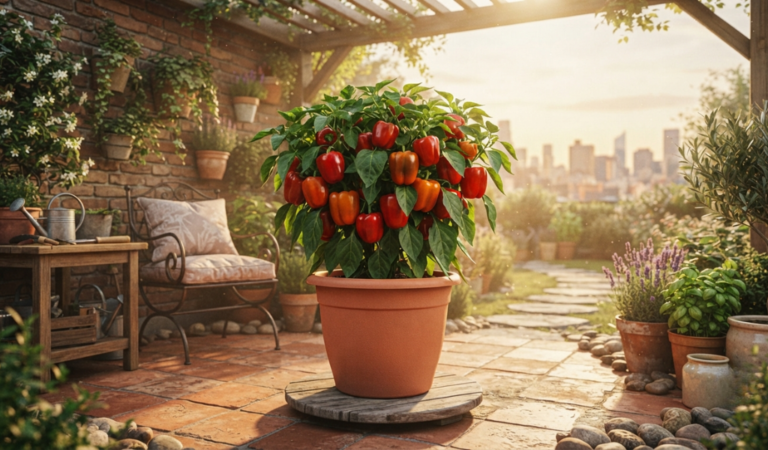
Both pots and garden beds work well. Growing in containers gives more control over soil and temperature, and it lets you move plants if the weather turns bad. Choose a pot size of at least 5 gallons for a full-size scotch bonnet pepper plant. Make sure it has good drainage holes. Dark pots warm up quickly, which this heat-loving pepper enjoys.
If you plant in the ground, pick the sunniest spot in the yard. A south-facing wall can hold heat and block wind. Raised beds warm earlier in spring and drain faster. Avoid places where tomatoes, potatoes, or other peppers grew last year because they share diseases.
Proper Plant Spacing and Transplanting Tips
Space each plant about 18 to 24 inches apart in the garden. This gives the foliage room and lets air move freely. In a container, plant just one per pot. Dig a hole slightly deeper than the root ball and set the seedling in gently. Firm the soil and water well.
Wait until the soil reaches at least 65°F before transplanting. Cloudy days or evenings are the best time because they reduce shock. Add a layer of mulch to hold moisture and warmth. Row covers can protect young plants from cold nights during the first couple of weeks. Peppers take time to adjust, so a short pause in growth is normal.
Watering and Fertilizing Scotch Bonnet Pepper Plants for Strong Growth
Steady care is the secret to a productive scotch bonnet pepper plant. These peppers dislike big swings between dry and wet soil.
Water deeply once or twice a week, depending on heat and rainfall. Check the soil by pushing a finger about two inches down. If it feels dry, water. If it feels damp, wait another day. Plants in pots dry out faster and may need water daily during a heat wave. Always water at the base of the plant and avoid wetting the leaves, which helps prevent disease. Good drainage matters because roots that sit in water will rot.
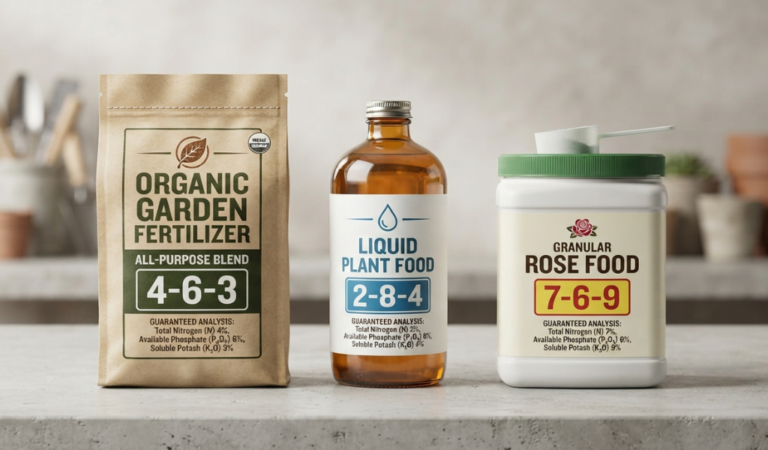
Feeding should match the stage of growth. Use a balanced fertilizer at transplant to build a strong plant. Once flowers appear, switch to one with less nitrogen and more phosphorus and potassium. Too much nitrogen creates a large leafy plant with few fruit. Feed every two to three weeks through the growing season. Compost tea, fish emulsion, and well-rotted manure are all good organic options. A small dose of Epsom salt now and then can supply magnesium, which helps the foliage stay green and healthy.
Pruning, Supporting, and Maintaining Scotch Bonnet Pepper Plants
A little maintenance keeps the plant strong and full of fruit. Pruning is simple and does not need special tools.
When the plant reaches about 8 to 12 inches tall, pinch off the top growing tip. This encourages side branches, which means more places for flowers and fruit. Remove any leaves touching the soil to lower the risk of disease. Some growers also pinch the first few flowers so the plant puts energy into roots and leaves before fruiting. Late in the season, removing a few lower leaves improves airflow and sunlight around the pods.
Support is also important. A loaded scotch bonnet plant can get heavy, and branches may snap in the wind. Use a stake or a small tomato cage and tie the stems loosely with soft cloth or garden twine. Check the plant weekly for pests, yellow leaves, and fallen flowers. Keep weeds under control, since they compete for water and nutrients. Mulch helps with weeds and keeps the soil temperature steady through the growing season.
Common Scotch Bonnet Pepper Plant Problems, Pests, and Diseases
Even a well-cared-for scotch bonnet pepper plant can run into trouble. Spotting issues early gives you the best chance to fix them.
Identifying Yellow Leaves, Curling, and Stunted Growth
Yellow leaves are the most common complaint. The cause is often overwatering, poor drainage, or a lack of nitrogen. Check the soil first. If it is soggy, let it dry out and improve drainage. If the soil is fine and the lower leaves are pale, a light feeding may help. Older leaves yellowing near the end of the season is normal.
Curling leaves can point to heat stress, dry soil, or pests such as aphids and broad mites. Look at the underside of the leaves for tiny insects. Stunted growth usually comes from cold soil, crowded roots, or a pot that is too small. Move the plant to a warmer spot, or repot it if the roots are packed. Flower drop often follows sudden temperature swings or uneven watering, so keep conditions steady.
Preventing Aphids, Spider Mites, and Fungal Diseases
Aphids gather under leaves and on new growth. Spider mites leave fine webbing and tiny pale dots on the foliage. Both pests can be controlled with a strong spray of water, insecticidal soap, or neem oil. Apply treatments in the evening so the sun does not burn wet leaves. Ladybugs and lacewings are helpful natural allies in the garden.
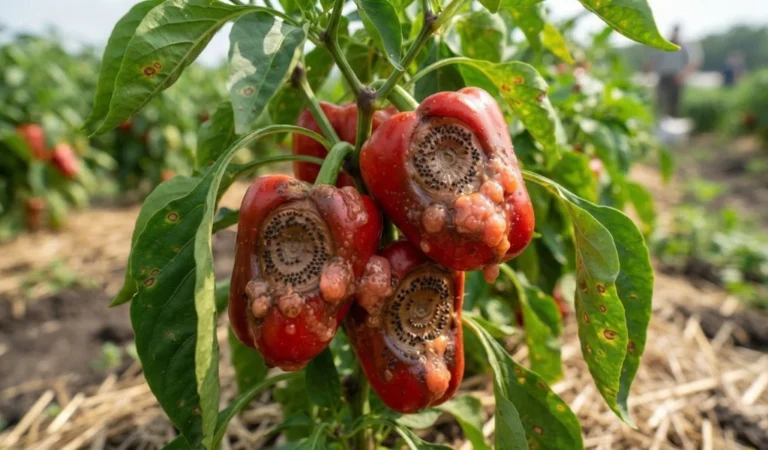
Fungal problems such as leaf spot, anthracnose, and root rot thrive in damp conditions. Prevent them by giving each plant enough space, watering at the base, and cleaning up fallen leaves. Rotate crops each year and never plant peppers where nightshades grew the season before. Remove infected leaves right away and throw them in the trash instead of the compost pile.
Overwintering Scotch Bonnet Pepper Plants and Saving Seeds for Next Season
The scotch bonnet pepper plant is a tender perennial, which means it can live for several years in warm climates. In cooler areas it dies at the first frost unless you bring it indoors. Overwintering saves a mature plant and gives you an early start next spring.
Before the first frost, cut the plant back by about half and check it carefully for pests. Move it into a bright room or a spot under a grow light. Keep it at around 60°F to 65°F. Water lightly, only when the top inch of soil is dry, and skip fertilizer until spring. The plant will slow down and may lose some leaves. That is normal. When outdoor nights stay above 55°F, harden it off again and move it outside.
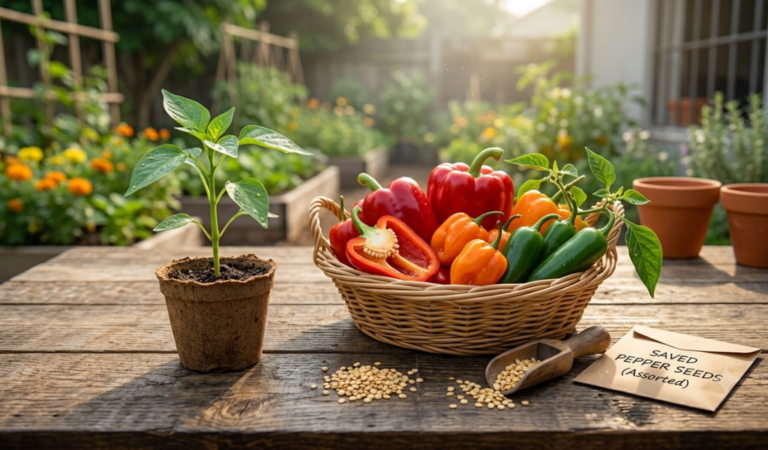
Saving seeds is easy and cheap. Pick a fully ripe pod from your healthiest plant and let it soften for a few days. Wear gloves, cut it open, and scrape out the seeds. Spread them on a paper plate and let them dry for one to two weeks in a warm, shaded place. Store the dry seeds in a labeled envelope in a cool, dark spot. Keep in mind that seeds from hybrid plants may not grow true to type. Peppers also cross easily, so keep different varieties apart if you want pure seeds.
Final Thoughts
The scotch bonnet pepper plant asks for warmth, sunlight, steady water, and patience. Start seeds early, use a heat mat, harden seedlings properly, and plant in loose, well-drained soil. Feed the plant on a regular schedule, prune it for bushy growth, and watch for pests and disease. Do these things and you will have a steady supply of fruity, fiery pods.
Ready to get started? Pick your seeds this week, mark your calendar for the right planting date, and set up your growing space. Share this guide with another gardener who loves hot peppers.
Frequently Asked Questions
Are scotch bonnet peppers?
Yes, scotch bonnet peppers are a type of hot pepper from the Capsicum chinense family. They measure about 100,000 to 350,000 Scoville heat units. That is very hot compared to a jalapeno but similar to a habanero.
Do peppers grow better in pots or raised beds?
Both can work well. Pots warm up faster and give you more control, while raised beds hold more soil and need less watering. A scotch bonnet pepper plant grows best in a container of at least 5 gallons or in a raised bed with rich, well-drained soil.
Is eating scotch bonnet good for you?
In small amounts, yes. Scotch bonnets are rich in vitamin C and contain capsaicin, which may support circulation and metabolism. Their heat can upset the stomach or irritate the mouth for some people, so start with a tiny amount.
When can you plant scotch bonnet peppers?
Plant seedlings outside after the last frost, once nights stay above 55°F and soil is at least 65°F. Start seeds indoors 8 to 10 weeks before that date. In warm climates you can plant earlier in spring.
How do you grow a Scotch bonnet pepper plant from seed?
Sow seeds one-quarter inch deep in seed-starting mix and keep them near 80°F with a heat mat. Seeds germinate in 2 to 4 weeks. Give seedlings strong light, move them to bigger pots, harden them off, and transplant after frost danger has passed.
Are Scotch bonnet pepper plants perennials?
Yes, they are perennials in warm regions with no frost. In colder areas gardeners treat them as annuals or bring them indoors for winter. With good care a scotch bonnet pepper plant can live and fruit for three to five years.
How tall do scotch bonnet pepper plants grow?
Most plants reach 2 to 4 feet tall and about as wide. Container plants may stay smaller. In warm climates and rich soil, a well-kept scotch bonnet pepper plant can grow even taller over several seasons.