Best Fertilizer for Tomatoes Plants: How to Fertilize Your Garden for Bigger Harvests
How to Choose the Best Fertilizer for Tomato Plants and Fertilize Your Garden Successfully
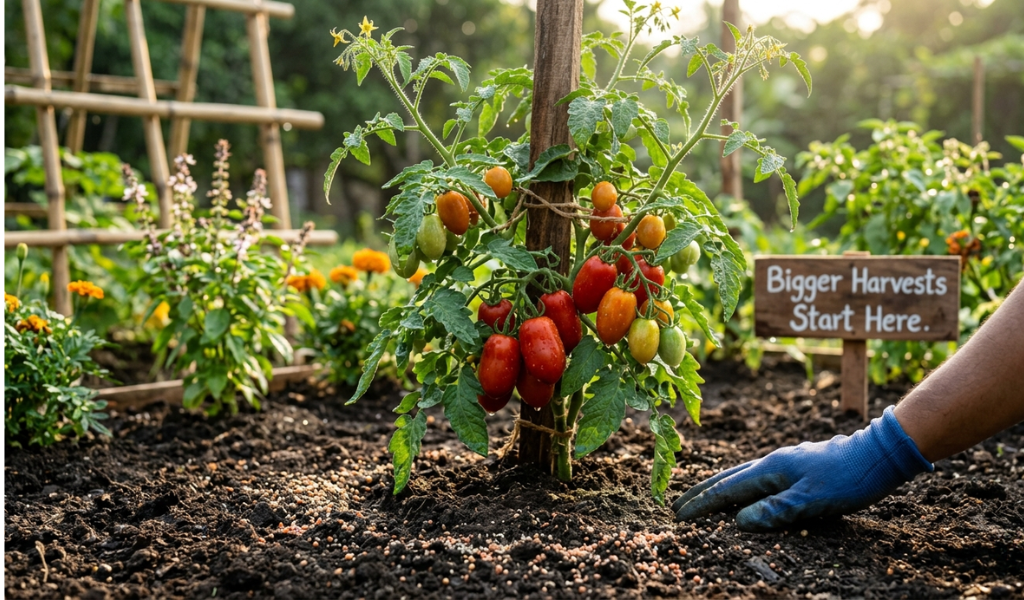
Growing tomatoes is one of the most rewarding things you can do in a home garden. But if you’ve ever watched your tomato plants struggle with yellowing leaves, weak stems, or a disappointing harvest, you already know that watering alone won’t cut it. The best fertilizer for tomato plants makes the difference between a handful of pale, flavorless fruit and a garden bursting with big, juicy, red tomatoes.
This guide walks you through everything you need to know about fertilizing Tomatoes for Maximum Yields, from what nutrients they need to how and when to apply fertilizer throughout the growing season. Whether you’re a first-time gardener or someone who’s been growing tomatoes for years, you’ll find practical tips here to help your plants thrive.
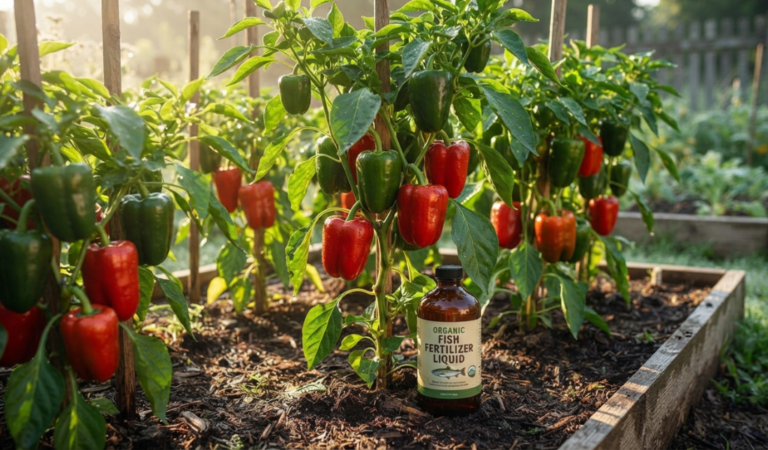
And if you also grow peppers alongside your tomatoes, knowing when to harvest peppers is just as important as knowing how to feed your plants. Choosing the Best Fertilizer for Tomatoes Plants can support healthy growth, strong fruit development, and a better harvest. Proper feeding provides essential nutrients that help tomatoes and peppers thrive throughout the growing season. By using the right fertilizer at the right stage, you can encourage healthier plants and enjoy a more productive garden.
What Nutrients Tomatoes Need to Grow Healthy and Strong
Tomato plants are heavy feeders. They pull a large amount of nutrients from the soil throughout the growing season, and without a steady supply, growth slows and fruit production drops. Before you pick a best fertilizer for tomatoes plants, it helps to understand what your plants are actually looking for.
Key Nutrients for Tomato Growth
Every fertilizer label shows three numbers, like 10-10-10 or 5-10-5. These numbers represent the percentage of nitrogen (N), phosphorus (P), and potassium (K) in the mix. These three are called macronutrients, and they are the foundation of healthy tomato plant growth.
The Role of Nitrogen in Tomato Plants
Nitrogen drives leafy, green growth. When tomato plants are young and establishing themselves, they need a good amount of nitrogen to build strong stems and full foliage. However, too much nitrogen later in the season pushes the plant to keep producing leaves instead of fruit. So while nitrogen is essential early on, you’ll want to scale it back once flowers start to appear.
A nitrogen-rich fertilizer works well for tomato seedlings and young transplants. Look for fertilizers with a higher first number, like a 10-5-5 ratio, during early plant growth.
Why Phosphorus Matters for Root Development
Phosphorus is the nutrient that helps tomato plants build strong roots. It also supports flower development, which leads directly to fruit production. Without enough phosphorus, you’ll notice poor root growth, slow development, and fewer flowers.
Bone meal is one of the best organic sources of phosphorus. When you add it to the planting hole before transplanting, it gives roots a strong foundation right from the start. Many gardeners mix bone meal or a phosphorus-rich fertilizer directly into the soil at planting time for this reason.
Potassium for Healthy Fruit Production
Potassium, the third major nutrient, plays a key role in overall plant health. It helps the plant manage water, resist disease, and produce high-quality fruit. A tomato plant short on potassium will often show weak stems and fruit that doesn’t develop properly.
When your tomatoes start flowering and setting fruit, shift to a fertilizer that has more potassium. Products labeled for “tomato and vegetable” use or marketed as tomato food often have a higher potassium ratio to support this stage of growth.
Trace Minerals and Their Benefits
Beyond the big three, tomatoes also benefit from trace minerals like calcium, magnesium, sulfur, and iron. Calcium, in particular, helps prevent blossom end rot, a common problem where the bottom of the fruit turns black and sunken. You can add calcium through compost, lime, or specific garden amendments.
Compost is one of the best all-around soil amendments because it delivers a slow, steady supply of many nutrients while improving soil structure at the same time.
Testing and Preparing the Soil Before You Fertilize
Good fertilization starts with the soil. You can apply the best tomato fertilizer available and still get poor results if the soil itself isn’t ready.
How to Test Soil Quality
A basic soil test kit from a garden center tells you your soil’s nutrient levels and ph. Testing takes only a few minutes and gives you a clear picture of what your garden soil is missing. Many county extension offices also offer more detailed testing services for a small fee.
Knowing your soil before you plant means you’re not guessing.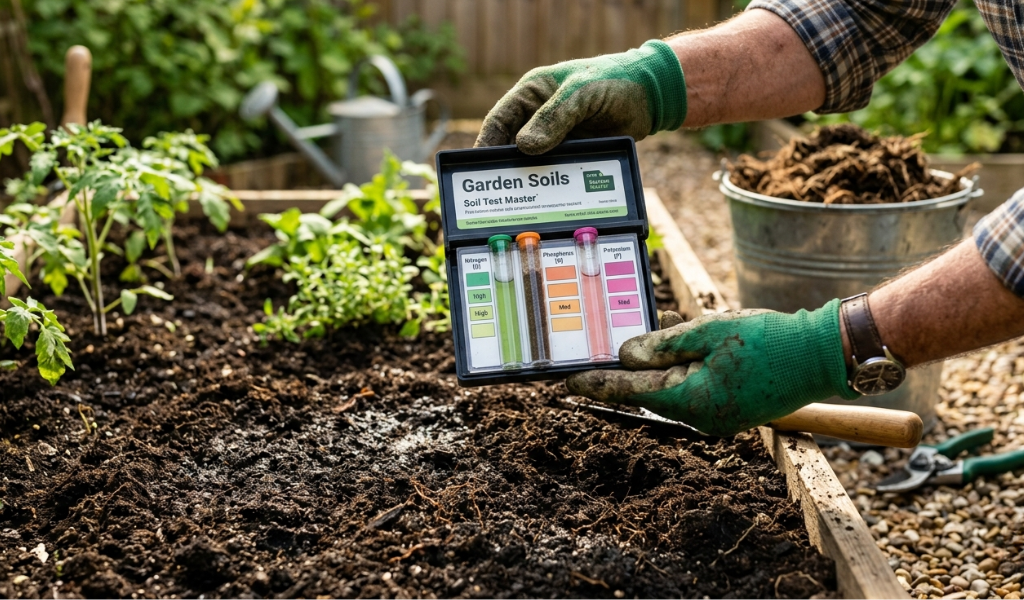 You add only what’s actually needed rather than overloading the soil with nutrients it already has.
Amending Soil for Tomato Plants
Once you know what your soil lacks, you can add the right amendments before planting. Compost improves both sandy and clay soils by adding organic matter. Manure, especially aged or composted manure, adds nutrients and feeds the microbes that keep soil healthy. These natural additions build the kind of rich, well-draining soil that tomato plants grow best in.
Balancing Soil pH for Tomatoes
Tomatoes prefer slightly acidic soil, with a pH between 6.0 and 6.8. If your soil is too alkaline, nutrients get locked up and the plant can’t absorb them even if they’re present. Sulfur lowers ph. Lime raises it. Always adjust gradually and retest before adding more.
Organic vs. Conventional Fertilizers: Which One Is Right for You?
Both types can grow excellent tomatoes. The choice depends on your goals, your budget, and how you like to garden.
Homemade and Organic Fertilizers
Organic fertilizer options include compost, fish emulsion, bone meal, blood meal, kelp meal, and aged manure. These release nutrients slowly and improve soil health over time. They’re less likely to burn plants and tend to create a more balanced soil ecosystem.
Fish emulsion is a popular liquid fertilizer among organic gardeners. It’s fast-acting and provides a good mix of nitrogen and trace minerals. Dilute it with water according to the package directions and apply it every one to two weeks during active growth.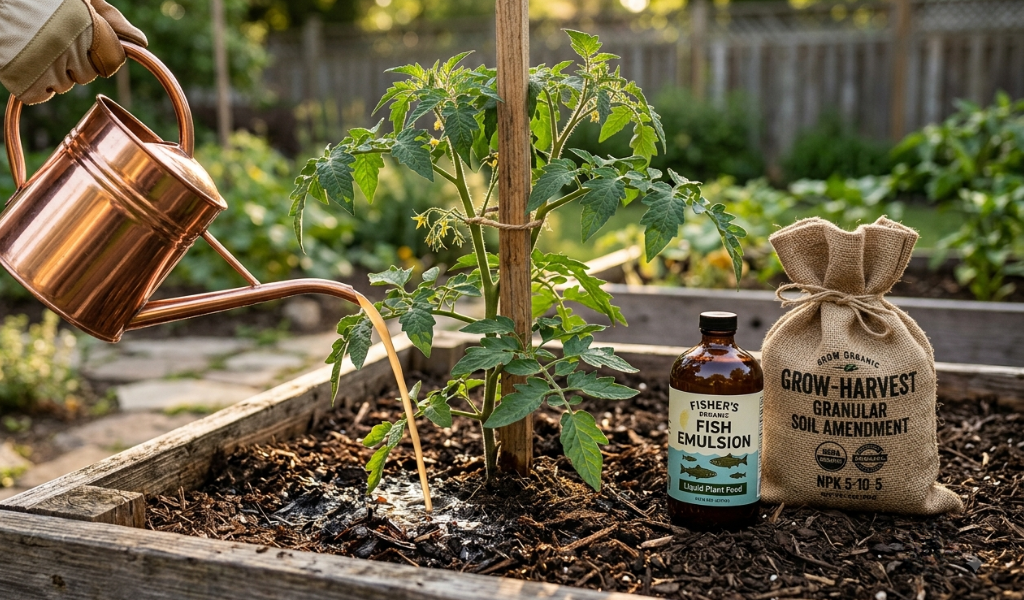
Compost tea, made by steeping compost in water, is another option that many gardeners swear by. It’s gentle, feeding both the plant and the soil microbes that support plant health.
Advantages of Conventional Fertilizers
Synthetic fertilizer is made from processed chemicals and delivers nutrients in a precise, concentrated form. Products like Miracle-Gro Tomato Plant Food or Tomato-Tone are widely used and effective. They give you more control over exactly how much of each nutrient you’re applying.
Slow-release granular fertilizers are particularly convenient. You mix them into the soil at planting and they continue releasing nutrients for weeks or months. This reduces how often you need to fertilize and lowers the risk of applying too much at once.
Water soluble tomato food works quickly and is a good choice when plants show signs of deficiency or need a fast boost. Just mix it into your watering can and apply.
Choosing the Right Fertilizer for Your Needs
If you value soil health and sustainability, organic fertilizer is a strong choice. If you want precision and convenience, a good synthetic tomato fertilizer does the job reliably. Many experienced gardeners combine both, using compost and organic amendments as a base and adding a balanced synthetic fertilizer during peak growth periods.
Best Fertilizers for Tomato Plants at Every Stage of Growth
Your fertilizer needs change depending on where your plants are in their life cycle. What works for a tomato seedling is different from what a fruiting plant needs.
Fertilizers for Seed Starting
At the seed starting stage, tomatoes don’t need added fertilizer right away. A good seed starting mix usually has enough nutrients for the first few weeks. Once seedlings develop their second set of true leaves, you can start feeding with a diluted liquid fertilizer, something like a half-strength fish emulsion or a mild balanced fertilizer.
Fertilizers to Use at Transplanting
When you move your plants into the garden, the goal is strong root development. Add bone meal or a phosphorus-focused fertilizer to the planting hole. Some gardeners also sprinkle a slow-release granular fertilizer around the base of the plant at this stage to give the roots a steady supply of nutrients as they establish.
Side Dressing Fertilizers During Growth
Side dressing means applying fertilizer to the soil around your plants during the growing season, rather than mixing it in before planting. This is especially useful once plants start flowering. Work a granular fertilizer or a scoop of compost gently into the soil around the base of the plant every three to four weeks.
At the flowering and fruiting stage, switch to a fertilizer that’s lower in nitrogen and higher in phosphorus and potassium to encourage fruit production over leafy growth.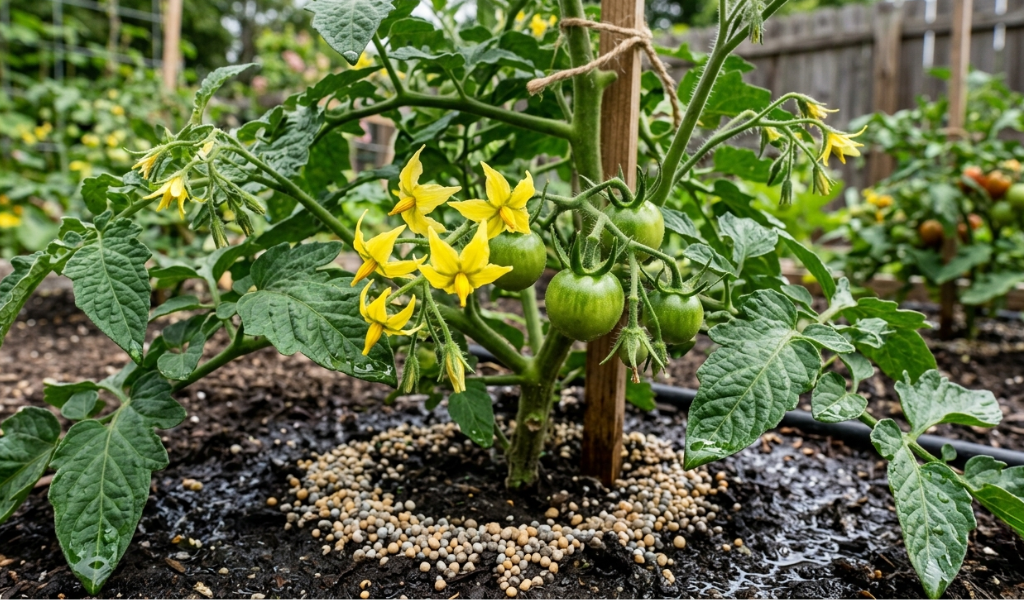
Fertilizers for Potted Tomato Plants
Container tomatoes need more frequent fertilizing than in-ground plants because nutrients flush out every time you water. A diluted liquid fertilizer applied every one to two weeks keeps container plants well-fed throughout the growing season. Look for a formula specifically designed for tomatoes in containers.
How to Apply Fertilizer Effectively
Having the right fertilizer is only part of the process. How you apply it matters too.
Best Practices for Applying Fertilizer
Always water your plants before applying fertilizer, especially granular types. Applying fertilizer to dry soil can burn roots. For liquid fertilizer, apply in the morning so the plant can absorb nutrients throughout the day.
Keep granular fertilizer away from the stems. Sprinkle it in a ring around the base of the plant, then water it in thoroughly.
Timing for Fertilizing Tomatoes
Start fertilizing when you plant. Then continue every two to four weeks throughout the growing season depending on the product you’re using. Stop fertilizing about three to four weeks before your expected last harvest so the plant can focus its energy on ripening existing fruit.
Techniques for Even Fertilizer Application
For liquid fertilizer, use a watering can with a gentle rose attachment to spread it evenly across the root zone. For granular fertilizer, use a small scoop and work your way around each plant evenly. Avoid concentrating product in one spot, as this can lead to uneven feeding or root burn.
Avoiding Over-Fertilization in Tomatoes
More fertilizer for tomato plants is not always better. Too much nitrogen causes lush, dark green foliage but very little fruit. Over-fertilization can also burn roots and cause leaf edges to turn brown and crisp. Stick to the recommended amounts on the label and resist the urge to add more if plants look healthy.
Common Mistakes in Tomato Fertilization
Even experienced gardeners make fertilization mistakes. Knowing what to avoid saves you time and frustration.
Using excessive fertilizer is one of the most common problems. When plants aren’t growing as fast as expected, it’s tempting to add more. But excess fertilizer, especially nitrogen, often causes more harm than good.
Ignoring soil testing and preparation leads to guesswork. Without knowing your soil’s starting point, you may add nutrients that are already in excess or miss ones that are critically low.
Skipping a regular feeding schedule starves plants during key growth stages. Tomatoes need consistent nutrition throughout the season. Set a reminder so feeding doesn’t get overlooked during busy weeks.
Signs of Nutrient Deficiency in Tomatoes
Your plants will tell you when something is wrong. Learning to read those signs helps you respond quickly.
Yellowing Leaves and Lack of Nitrogen
When lower leaves start turning yellow and the problem moves upward over time, the plant is likely short on nitrogen. A dose of a nitrogen-rich liquid fertilizer or fish emulsion usually helps within a week or two.
Poor Root Growth Due to Phosphorus Deficiency
If seedlings are growing slowly and the undersides of leaves show a purple tint, phosphorus deficiency is a likely cause. Add bone meal or a high-phosphorus fertilizer to help the roots catch up.
Weak Stems and Potassium Shortage
Plants that look droopy, have scorched leaf edges, or produce poor-quality fruit may be lacking potassium. A balanced tomato fertilizer with a higher potassium ratio can address this during the fruiting stage.
How to Fertilize Tomatoes in Containers
Growing tomatoes in pots is popular for small spaces and patios, but it comes with some extra demands. Containers dry out faster and nutrients deplete more quickly than in garden beds.
Use a high-quality potting mix rather than garden soil. Mix in a slow-release granular fertilizer at planting. Then supplement with a diluted liquid fertilizer every seven to fourteen days throughout the growing season.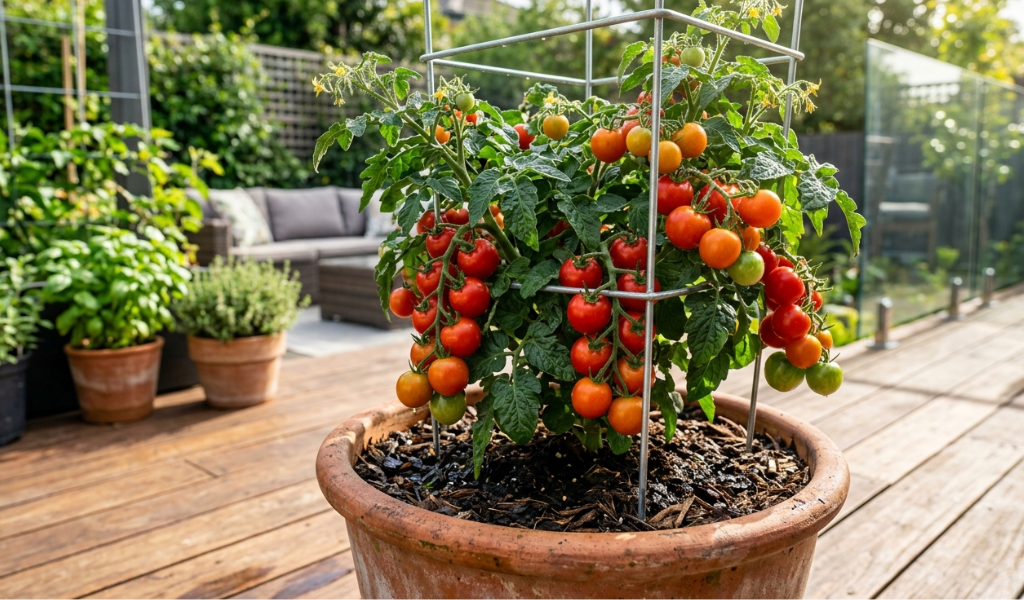 Check the soil moisture regularly and never let the container dry out completely between watering’s, as drought stress affects how well plants absorb nutrients.
Final Thoughts
Getting the best out of your tomato plants isn’t complicated, but it does require attention. Start with a soil test. Choose a fertilizer that matches your plant’s stage of growth. Feed consistently, water properly, and watch your plants for signs of stress or deficiency.
Whether you go with organic fertilizer like compost and fish emulsion or opt for a trusted synthetic tomato food, the key is consistency and balance. A well-fed tomato plant rewards you with strong stems, healthy foliage, and a harvest worth celebrating.
Ready to get started? Pick up a soil test kit from your local garden center, choose a good tomato fertilizer, and give your plants the care they deserve this season.
Frequently Asked Questions
Which fertilizer is best for growing tomatoes?
A balanced fertilizer designed specifically for tomatoes works best. Look for products like Espoma Tomato-Tone or Miracle-Gro Tomato Plant Food. For organic gardeners, a combination of compost, fish emulsion, and bone meal delivers strong results throughout the growing season.
Is 10-10-10 a good fertilizer for tomatoes?
A 10-10-10 fertilizer works fine early in the season when plants are establishing themselves. However, once tomatoes start flowering, switch to a formula with lower nitrogen and higher phosphorus and potassium to support fruit production rather than leaf growth.
What can I feed my tomatoes to get more fruit?
To boost fruit production, reduce nitrogen and increase phosphorus and potassium. Products with a ratio like 5-10-10 or a dedicated tomato food work well at this stage. Consistent watering and adequate sunlight also play a big role in how many tomatoes your plants set.
When should I put fertilizer on my tomatoes?
Start fertilizing at planting time, then continue every two to four weeks throughout the growing season. Adjust the type of fertilizer as the plant moves from the growth stage into flowering and fruiting. Stop fertilizing three to four weeks before your last expected harvest.
Can I use coffee grounds as an organic fertilizer for tomato plants?
Coffee grounds can be used in small amounts as a soil amendment. They add a little nitrogen and help slightly acidify the soil, which tomatoes prefer. However, they should be mixed into compost rather than applied in large quantities directly around plants, as too many coffee grounds can compact and repel water.
How often should I apply organic fertilizer to my tomato plants?
Liquid organic fertilizers like fish emulsion should be applied every one to two weeks. Granular organic fertilizers are typically applied every three to four weeks. Compost can be side-dressed around plants monthly throughout the growing season.
Is fish emulsion a good organic fertilizer for tomato plants?
Yes, fish emulsion is an excellent organic fertilizer for tomatoes. It provides a quick-acting source of nitrogen along with trace minerals that support overall plant health. Dilute it with water according to label directions and apply it during the early growth stage for best results