Bacterial Spots on Tomatoes: Tomato Disease and Prevention
Bacterial Spots on Tomatoes: Early Signs and Effective Control
Bacterial spots on tomatoes can show up fast and spread faster, especially after a few warm and rainy days. The disease is caused by Xanthomonas bacteria, and it attacks leaves, stems, and green fruit. Growers often notice small, dark, water-soaked marks on the lower leaves first. Within days the spots enlarge, join together, and leave the plant looking scorched.
Many people try to fix a struggling tomato plant with extra feeding. A batch of homemade fertilizer for tomatoes may boost growth, but it cannot stop a bacterial disease once the pathogen has settled in. Bacterial spots on tomatoes call for a different plan that focuses on moisture control, clean habits, and smart treatment.
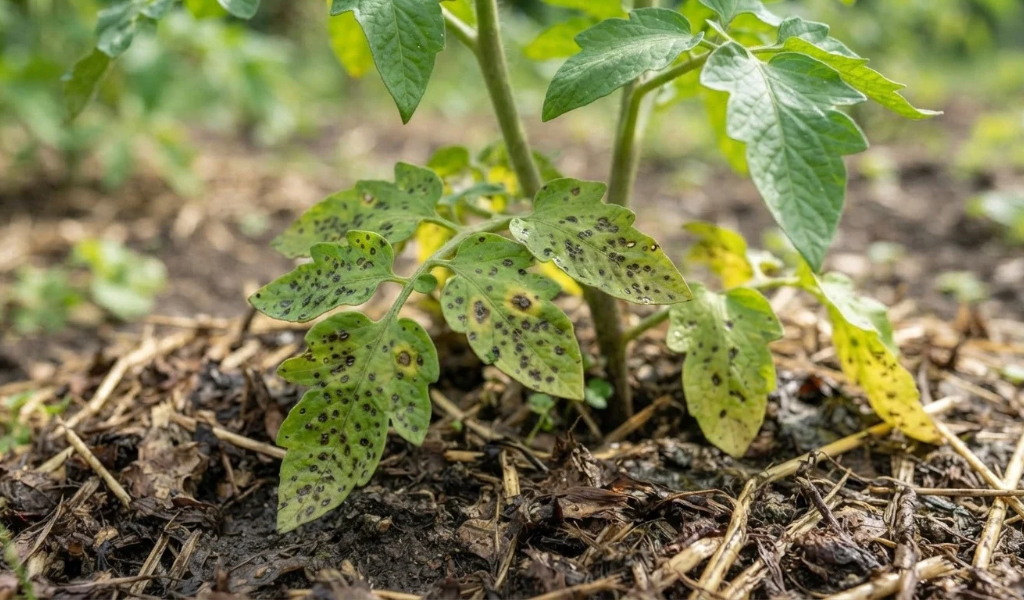 This guide explains what causes bacterial spot, how to tell it apart from bacterial speck, early blight, and septoria leaf spot, and what really works for disease management. You will also learn how to protect tomato and pepper plants in later seasons. Catching bacterial spots on tomatoes early gives you the best chance to save the crop and keep fruit quality high.
Understanding Bacterial Spots on Tomatoes and the Bacteria Behind Them
Bacterial spot of tomato is a bacterial disease caused by several species of Xanthomonas. These bacteria affect both tomato and pepper, so a garden that grows peppers or tomatoes together can face a bigger risk. The pathogen is small but very tough. It can live on seed, on infected plant debris, and on volunteer plants that sprout after the season ends.
Unlike fungal diseases, bacterial spots on tomatoes cannot be controlled with ordinary fungicide alone. Bacteria enter the plant through tiny natural openings and small wounds on the leaf surface. Once inside, they multiply in the leaf tissue and cause necrotic spots. Wet weather helps them move from one plant to the next.
The disease affects tomato production in many parts of the world. In bad years it causes heavy defoliation, and that exposes fruit to sunscald. Even when the plant survives, the quality of the fruit drops. Understanding the pathogen is the first step toward a good control plan.
Main Causes and Conditions That Spread Bacterial Spots on Tomatoes
Bacterial spots on tomatoes do not appear from nowhere. They need a source of bacteria and the right growing conditions. When both come together, disease development can be very quick. Knowing the main triggers helps you break the cycle before it starts.
Warm Weather, High Humidity, and Wet Leaves
The bacteria grow best in warm temperatures, roughly between 75 and 86 degrees Fahrenheit. High humidity, heavy dew, and frequent rain keep leaves damp for long hours. Leaf wetness is the key factor because bacteria need a thin film of water to move and to enter the leaf. A dry leaf is a much safer leaf.
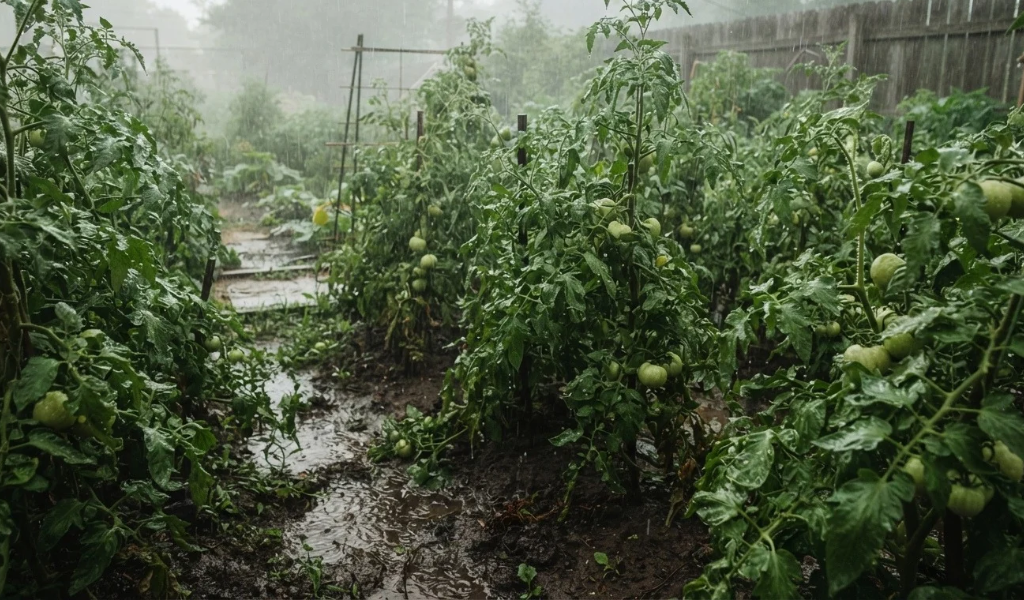 Wind-driven rain and overhead irrigation make things worse. Water splashes bacteria from leaf to leaf and from the soil up to the lower leaves. A single storm can spread the disease across a whole bed. This is why bacterial spots on tomatoes often explode after a stormy week in summer.
Infected Seeds, Soil, Tools, and Garden Debris
Many outbreaks begin with contaminated seed or store-bought transplants that look healthy but carry the bacteria. The bacterial spot pathogen can also survive on crop residue. Old tomato debris left in the bed can let the bacteria overwinter and return next season.
Tools and hands spread the disease too. Pruning shears, stakes, and gloves carry bacteria when you work among wet plants. Some weeds in the nightshade family can host the pathogen as well. Bacteria do not remain in the soil for very long without plant material, but debris in the soil can protect them for months.
Common Bacterial Diseases That Cause Spots on Tomato Leaves and Fruit
Several bacterial diseases can cause marks on tomato leaves and fruit. Because the symptoms overlap, gardeners often confuse them. A correct diagnosis matters because each disease has its own risk level and its own management steps.
Bacterial Spot vs. Bacterial Speck on Tomato Plants
Bacterial speck is the closest look-alike. It is caused by a different bacterium and usually likes cooler and wetter weather than bacterial spot. The spots on leaves are small, dark, and often surrounded by a yellow halo. On fruit, speck leaves tiny black specks that stay shallow and do not become deeply scabby.
Bacterial spots on tomatoes usually produce larger and rougher fruit lesions. Spots on green fruit start as small, raised, water-soaked dots and then become scabby and sometimes sunken. If your garden has cool nights and damp mornings, speck is a strong suspect. If the weather is hot and humid, bacterial spot is more likely.
Bacterial Canker and Bacterial Wilt Symptoms
Bacterial canker is a more serious disease that can kill a plant. Early signs include leaf edges that turn brown and curl, often on one side of the leaf. Infected plants may show streaks on the stem and a wilting top. Fruit can show small white-ringed spots that look like bird’s eyes.
Bacterial wilt causes sudden wilting even when the soil is moist. The plant often collapses within days, and a cut stem may ooze a sticky fluid. Neither of these diseases shows the many small dark spots that bacterial spots on tomatoes produce on leaves. If you suspect canker or wilt, contact your local cooperative extension office for confirmation.
How to Identify Bacterial Spots on Tomato Leaves, Stems, and Fruits
Good identification saves time and money. Bacterial spot symptoms look different on each part of the plant, and they change as the disease grows. Checking the plant often during warm and wet weather is the best habit you can build.
Recognizing Dark Leaf Spots, Yellow Halos, and Fruit Lesions
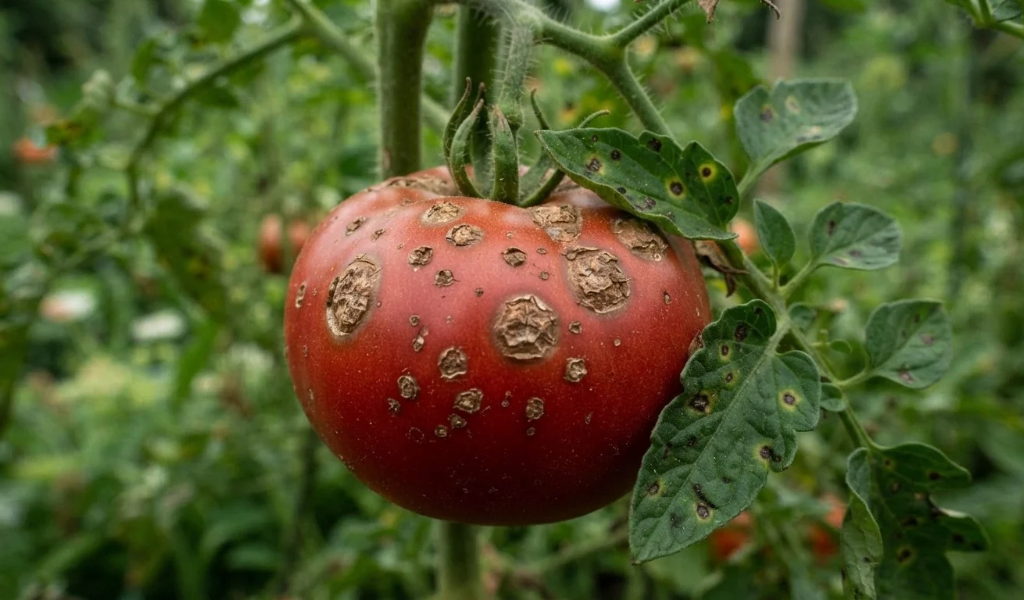
On leaves, spots appear as small, water-soaked areas that turn dark brown or black. They are usually less than one eighth of an inch across at the start. As the spots enlarge and become angular, many of them develop a yellow halo. The center may dry out and fall off the plant, which leaves a ragged shot-hole look.
On stems and leaf stalks, you may see raised dark streaks. On green fruit, the lesions begin as tiny raised blisters with a pale ring. They grow up to a quarter inch in diameter and turn scabby, brown, and slightly sunken.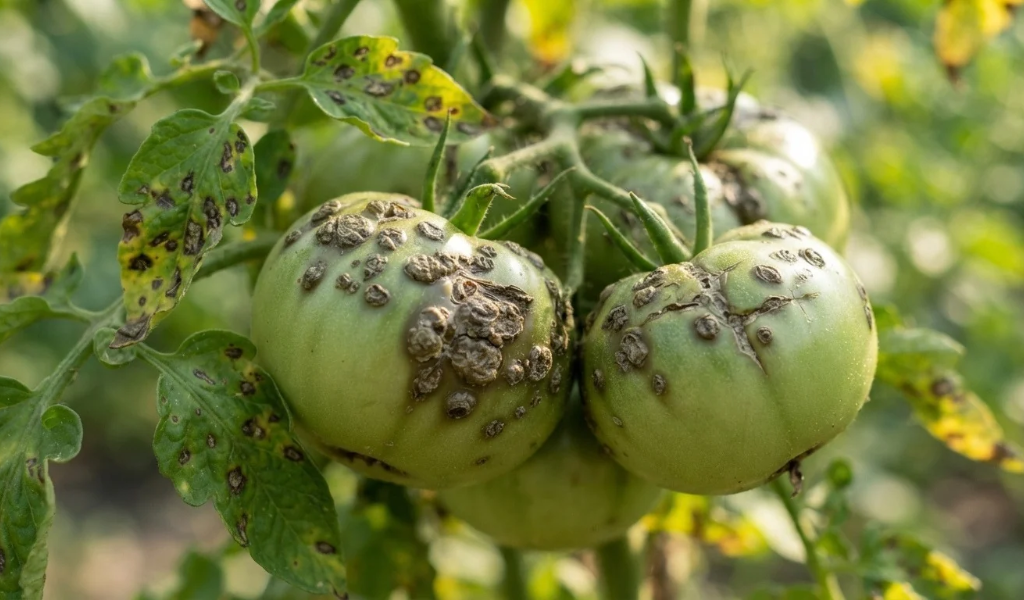 Infected fruit often spoils faster because the open wounds let rot organisms in.
Lower leaves are usually hit first because they sit closest to splashing soil and water. Heavy infection can cause leaves to yellow and drop. This defoliation leaves the fruit exposed to the sun and lowers yield.
Distinguishing Bacterial Spots from Early Blight and Septoria Leaf Spot
Early blight is a fungal disease. Its spots are larger and show concentric rings like a target. The leaf around the spot often turns yellow, and the problem usually begins on older leaves. Bacterial spots on tomatoes stay smaller and look greasy at first, without those clear rings.
Septoria leaf spot is also fungal. Its spots are round with gray or tan centers and dark edges. A close look often reveals tiny black dots in the middle, which are the fruiting bodies of the fungus. This fungus survives on crop residue and spreads by splashing water, much like the bacteria. Use a hand lens to check for those black specks. If you do not see them and the spots look greasy and angular, bacterial spot is more likely.
Best Treatment for Bacterial Spots on Tomatoes
No product can cure leaf tissue that is already damaged. The goal of treatment is to slow the spread and protect healthy growth. The earlier you act, the better the outcome. Treatment works best when combined with sanitation and better watering habits.
Copper Fungicides and Other Recommended Treatments
Copper-based sprays are the most common choice for control of bacterial disease in tomato crops. They protect new leaves and fruit by reducing the number of bacteria on the surface. Some strains have become less sensitive to copper, so results can vary. Mixing copper with mancozeb often gives better protection than copper alone.
Always read and follow the label. Spray when plants are dry and repeat on the schedule the label gives. Start before the disease becomes severe because sprays protect rather than heal. Biological products with beneficial microbes are also sold for home gardens, and they may help as part of a wider plan. Your university cooperative extension service can recommend products that are allowed in your area.
Removing Infected Leaves and Managing Plant Damage
Pruning off badly spotted leaves can lower disease pressure. Do this only when the plants are dry, since cutting wet foliage spreads bacteria. Place the removed leaves in a bag and throw them away rather than leaving them on the ground. Clean your pruners with rubbing alcohol or a bleach solution between plants.
If the disease is severe and most of the plant is affected, pulling the plant may protect the rest of the garden. Remove plants and burn or dispose of them away from the garden. Keep the remaining plants well fed and evenly watered so they can grow new leaves. Healthy plants handle bacterial spots on tomatoes better than stressed ones.
How to Prevent Bacterial Spots on Tomato Plants Naturally and Effectively
Prevention is the strongest tool against bacterial spots on tomatoes. Most of the steps cost little and fit easily into daily garden work. A few simple habits can cut the risk by a large margin.
Proper Watering, Plant Spacing, and Air Circulation
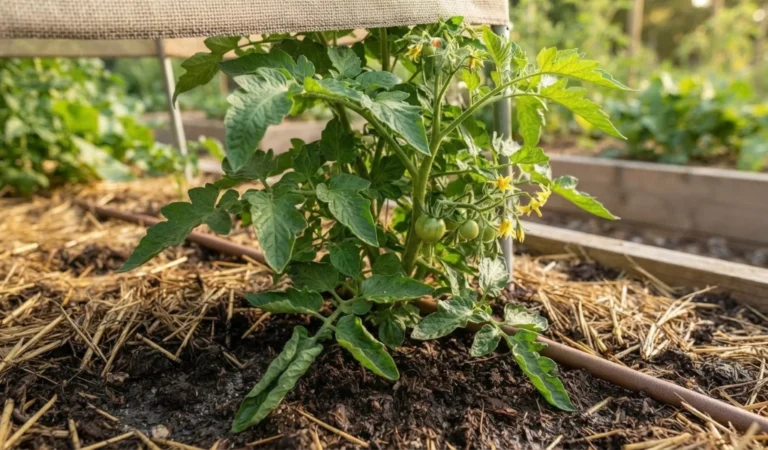
Water at the base of the plants using drip lines or a soaker hose. Avoid overhead irrigation, because wet leaves help the bacteria spread. If you must use a sprinkler, water early in the morning so the foliage dries quickly. Mulch the soil to stop water from splashing bacteria onto the lower leaves.
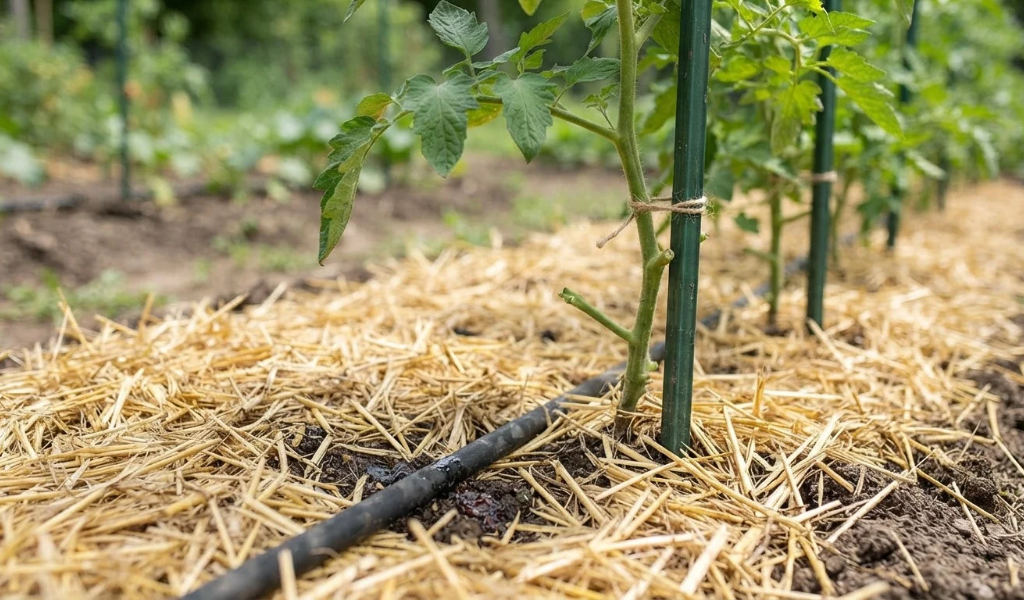 Give plants enough room for air to move. Staking or caging keeps the foliage off the ground and helps leaves dry faster. Prune the lower branches that touch the soil. Crowded beds hold moisture for hours, and that is exactly what the bacteria want.
Garden Sanitation and Disease-Free Seeds
Start with certified disease-free seed and healthy transplants. Reject any plant with spotted leaves, even when the price is low. Hot water seed treatment is another option used by commercial growers, though it needs careful temperature control. Look for cultivars that are resistant to bacterial spot, since resistance lowers losses in a wet season.
At the end of the season, remove all tomato debris and dispose of it. Rotate tomatoes and peppers to a new bed and keep them away from the same spot for at least two to three years. Control volunteer tomato plants and nightshade weeds. Do not work in the garden when plants are wet. Good sanitation keeps the bacterial spot pathogen from overwintering and returning.
Can Tomatoes Recover from Bacterial Spot and Still Produce Healthy Fruit?
Tomato plants can often keep producing even after an attack of bacterial spot. Existing spots on leaves will not heal, but new growth can stay clean if you control moisture and protect the plant with sprays. Many plants lose some lower leaves and still set a decent crop. The key is to stop the disease from climbing to the upper canopy.
Fruit that forms after the weather dries and the spray program starts is usually in better shape. Fruit already covered in scabby lesions will not clear up, but the damage is mostly on the skin. Light surface spots can be trimmed away, and the rest of the tomato is often fine to eat. Heavily spotted fruit may rot quickly, so pick it early and use it soon.
Recovery depends on how early you act and how long the weather stays wet. A mild case in dry weather may fade into the background. A severe case in a rainy season may call for removing plants. Watching the weather forecast and checking leaves twice a week helps you stay ahead of bacterial spots on tomatoes.
Best Practices for Protecting Tomato Plants from Recurring Bacterial Infections
A long-term plan matters because the pathogen can return every year. Start each season with clean seed, clean tools, and a bed that has not held tomatoes or peppers recently. Choose varieties of tomatoes with some resistance and plant them with good spacing. Set up drip irrigation before planting so it is ready to use.
Scout your plants every few days from early summer. Look at the lower leaves and the underside of leaves for dark spots. If symptoms appear, remove the worst leaves, begin a protective spray, and avoid touching wet foliage. Keep a simple garden log that records weather, dates, and what worked. Over time this log shows you the pattern of disease development in your own yard.
Balanced feeding also supports plant health. Too much nitrogen creates soft and dense growth that stays damp, so avoid heavy feeding during humid weather. Strong and well-fed plants recover better from damage. Combine all these steps, and the risk from bacterial spots on tomatoes drops sharply.
Final Thoughts
Bacterial spots on tomatoes are a serious tomato disease, but they are manageable with the right approach. Learn the early signs, keep leaves dry, and use clean seed and tools. Copper sprays and careful pruning can slow the spread, while rotation and sanitation protect the next season.
Take action this week. Check the lower leaves of your plants, fix your watering method, and clear out old debris. Small steps today protect your harvest tomorrow. If you are unsure about a diagnosis, contact your local extension service for help.
Frequently Asked Questions
Can I eat tomatoes affected by bacterial spot?
Yes, in most cases. The bacteria that cause bacterial spots on tomatoes do not harm people. Wash the fruit well and cut away the scabby areas. Throw out any tomato that is soft, moldy, or smells bad.
How to treat bacterial spots on tomatoes?
Start with copper sprays, sometimes mixed with mancozeb, following the label. Remove badly infected leaves when plants are dry. Switch to watering at the base of the plants, and improve spacing and air flow around the foliage.
Is bacterial spots on tomatoes bad?
It can be serious in warm and wet seasons. Heavy defoliation lowers yield and exposes fruit to sunscald. Spotted fruit also loses quality and market value. Mild cases are usually manageable with early action.
Are there tomato varieties resistant to bacterial spot?
Yes, some cultivars have resistance to certain strains. Resistance is not complete, so you still need good practices. Check the seed packet or ask your cooperative extension office which varieties suit your region.
Which cultural practices help control bacterial spot?
Use drip irrigation, space plants well, and mulch the soil. Rotate tomatoes and peppers every two to three years. Clean up crop residue, sanitize tools, and avoid working in the garden when leaves are wet.
How can I prevent and manage bacterial spot in tomatoes?
Begin with clean seed and healthy transplants. Keep leaves dry and remove infected plant debris. Apply protective sprays when weather favors the disease, and scout plants often. Early action keeps bacterial spots on tomatoes from spreading.
Is it safe to eat tomatoes with bacterial speck?
Yes, in general. Bacterial speck affects mostly the skin of the fruit and does not cause illness in people. Wash the tomatoes and trim off the marked areas. Discard fruit that has rotted.